

The shift toward solventless dabs
Live rosin smells like the actual plant, which is why so many people are switching to it. By 2026, it is the standard for anyone who cares about flavor. It is a simple change: people are tired of chemicals and want something that tastes like the flower they grew.
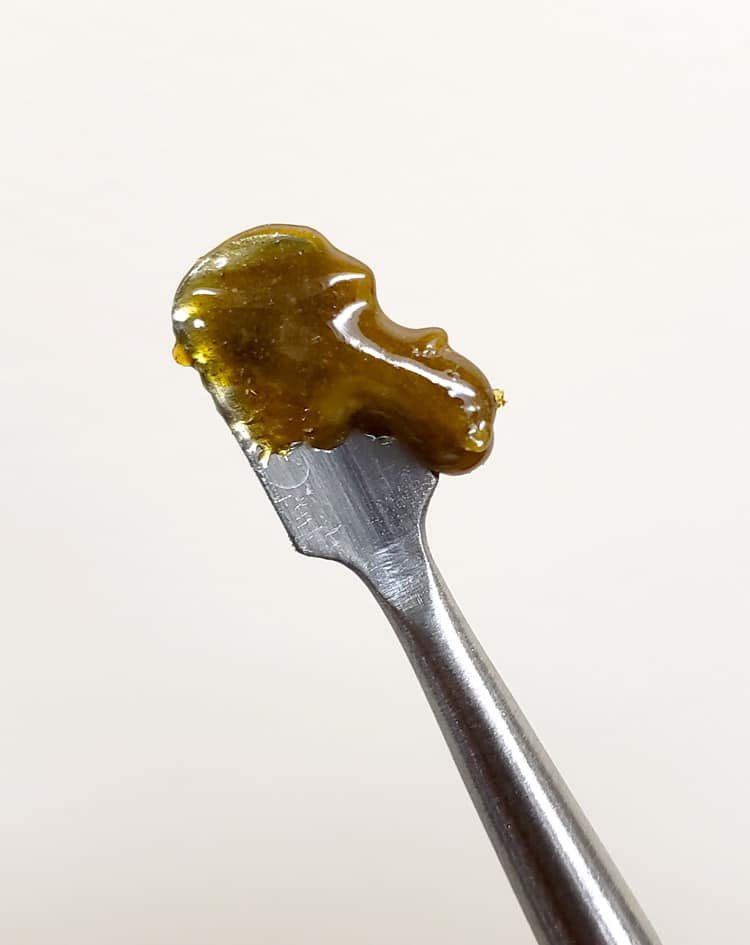
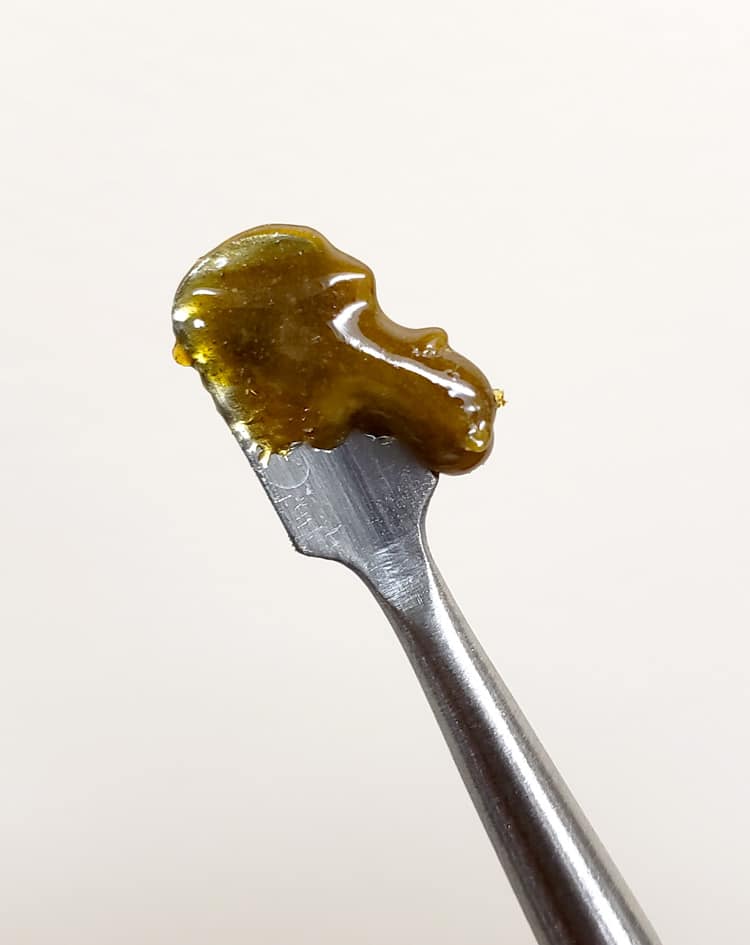
So, what exactly is live rosin? Simply put, it’s a solventless extract made from fresh frozen cannabis flower. Unlike traditional dabs that often rely on chemical solvents like butane or propane, live rosin uses only heat and pressure to separate the resinous trichomes from the plant material. This is a massive distinction.
For years, concerns about residual solvents in concentrates have lingered. While regulations have improved, many consumers are actively seeking a cleaner, purer experience. This demand, coupled with advancements in rosin press technology, has fueled the rise of solventless extraction methods. People want to know exactly what they’re inhaling, and live rosin delivers on that front.
What was once a fairly complex, lab-dependent process is now increasingly accessible to home enthusiasts. This accessibility isn’t just about cost – though prices are coming down – it’s about control and a deeper connection to the plant. It’s about crafting your own experience, tailored to your preferences. It’s no longer a niche hobby, it’s becoming mainstream.
Gear you actually need
Making live rosin at home requires some initial investment in equipment, but it’s surprisingly achievable. The centerpiece of your setup will be a rosin press. You have two main options: hydraulic and electric. Hydraulic presses are generally more affordable, starting around $300-$500, but require more manual effort. Electric presses, ranging from $800 to several thousand dollars, offer precise temperature and pressure control.
Beyond the press, you'll need collection tools. Stainless steel is the material of choice – avoid silicone, as it can retain flavors and be difficult to clean thoroughly. A dab tool for collecting the rosin and a scraper for cleaning the parchment paper are essential. Unbleached parchment paper is a must; it prevents unwanted flavors from leaching into your rosin.
A French press can be incredibly useful, especially if you’re starting with bubble hash (more on that later). You’ll also need a dab mat to protect your work surface and silicone storage containers to preserve your finished product. Finally, you’ll need a dabbing rig and nail – quartz is popular, but titanium and ceramic are also viable options.
Good gear makes a difference. You can hack a setup together with cheap parts, but a solid press gives you better yields and cleaner oil. Think of it like a kitchen—you can bake in a toaster oven, but a real oven is more reliable.
- A hydraulic press ($300-$500) or an electric one ($800+)
- Collection Tools: Stainless steel dab tool and scraper
- Parchment Paper: Unbleached
- Dab Mat: For surface protection
- Silicone Containers: For storage
- Dabbing Rig & Nail: Quartz, Titanium, or Ceramic
Essential Live Rosin Tools
- Rosin Press - A machine applying heat and pressure to extract rosin. Presses range in size and force capacity.
- French Roll Bags - Micron-sized filter bags placed inside parchment paper, used to contain the cannabis material during pressing. Different micron sizes yield different quality rosin.
- Parchment Paper - Non-stick surface to contain the cannabis material and collect the pressed rosin.
- Collection Tool - A stainless steel or silicone dab tool used to collect the rosin after pressing.
- Dab Mat - A heat-resistant silicone mat to protect your workspace and provide a clean surface for dabbing.
- Storage Containers - Airtight, silicone or glass containers to store your finished live rosin, protecting it from air and light.
- Dab Rig & Nail - A specialized water pipe (rig) and heating element (nail – quartz, titanium, or ceramic) used to vaporize the rosin.
- Isopropyl Alcohol (91% or higher) - For cleaning the rosin press plates, dab tools, and nails. Ensure complete evaporation before use.
Pressing your first batch
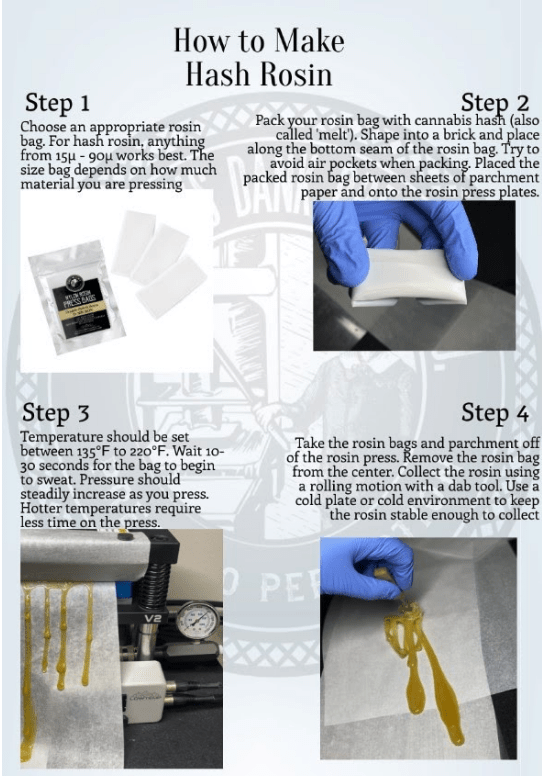
Alright, let’s get down to business. The first step is preparing your cannabis flower. Proper trimming is crucial – remove as many fan leaves and stems as possible, leaving primarily the sugar leaves and buds. Then, and this is critical, you need to freeze the flower completely. We’re talking at least 24-48 hours in a freezer, ideally at -40°F (-40°C). The colder the flower, the more efficiently the trichomes will break off during pressing.
Next, wrap 1-3 grams of frozen flower in parchment paper, creating a small "bag". Place this bag between two sheets of parchment paper and position it on the plates of your rosin press. Now comes the tricky part: temperature and pressure. A good starting point is 160-190°F (71-88°C) and 300-600 PSI for 60-90 seconds. These are just starting points, though.
Experimentation is key. Lower temperatures (around 160°F) will yield a more flavorful rosin with a lighter color, but potentially lower yields. Higher temperatures (closer to 190°F) will increase yield but can compromise flavor and introduce more impurities. Pressure also plays a role – too little, and you won’t extract enough rosin; too much, and you’ll force contaminants through the parchment paper.
Once the pressing cycle is complete, carefully collect the rosin from the parchment paper using your stainless steel dab tool. Be gentle; live rosin is often quite sticky. Don’t be discouraged if your first few attempts aren’t perfect. Refining your technique takes time and practice. Pay attention to the color and consistency of your rosin – these are indicators of quality.
- Clean the flower by removing big leaves and stems.
- Freeze the flower completely for at least 24-48 hours.
- Wrap 1-3 grams of frozen flower in parchment paper.
- Press at 160-190°F (71-88°C) and 300-600 PSI for 60-90 seconds.
- Collect the rosin with a stainless steel tool.
Using bubble hash instead
Not everyone has access to top-shelf flower, or maybe you want to explore another solventless pathway. That’s where bubble hash comes in. Making bubble hash involves agitating cannabis flower in ice water, which causes the trichomes to break off. These trichomes are then separated from the plant material using a series of micron bags.
You’ll need a bubble bag kit, which typically includes 5-9 bags with different micron sizes (e.g., 220, 160, 120, 90, 73, 45, 25 microns). The smaller the micron size, the finer the hash. After agitating the mixture for 15-20 minutes, carefully pour the water through the bags, collecting the hash that remains on each screen.
Pressing bubble hash requires lower temperatures and pressures than pressing flower. A good starting point is 140-160°F (60-71°C) and 200-400 PSI for 30-60 seconds. The hash will be more fragile than flower, so handle it gently. This method can be a great way to utilize trim or lower-quality flower, transforming it into a respectable rosin.
The resulting rosin from bubble hash will often have a slightly different flavor profile than flower-derived rosin, often earthier and less complex. It’s not necessarily better or worse, just different. This is a useful technique to have in your arsenal, especially when dealing with limited access to premium flower.
Finding the right temperature
Once you’ve created your live rosin, the experience is far from over. The temperature at which you vaporize the rosin significantly impacts the flavor and effects. Lower temperatures (around 350-450°F) preserve more terpenes, resulting in a more flavorful and aromatic dab, but with a milder high.
Higher temperatures (above 500°F) will vaporize more cannabinoids, delivering a more potent effect, but at the expense of flavor. Experiment to find your sweet spot. Techniques like "cold start" – heating the nail before adding the rosin – can help control the vaporization process and prevent burning.
Nail material also plays a role. Quartz nails are popular for their clean flavor and ease of cleaning. Titanium nails heat up quickly and are very durable, but can sometimes impart a metallic taste. Ceramic nails offer a smooth, flavorful experience but are more fragile.
Consider the consistency of your rosin too. Runny rosin requires a different approach than more solid rosin. Don't be afraid to play around with different techniques and nail materials to find what works best for your preferences and rosin.
Nail Material Comparison for Live Rosin Dabs
| Material | Heat-Up Time | Flavor Retention | Durability | Cleaning Difficulty |
|---|---|---|---|---|
| Quartz | Moderate | Excellent | Good | Moderate |
| Titanium | Fast | Good | Excellent | Difficult |
| Ceramic | Slow to Moderate | Very Good | Moderate | Easy |
| Borosilicate Glass | Moderate | Excellent | Fragile | Easy |
| Sapphire | Moderate | Excellent | Excellent | Moderate to Difficult |
Illustrative comparison based on the article research brief. Verify current pricing, limits, and product details in the official docs before relying on it.
Fixing common mistakes
Making rosin isn’t always smooth sailing. Low yield is a common frustration. This can be caused by several factors: insufficient pressure, too low a temperature, or not freezing the flower adequately. Ensure your flower is completely frozen and experiment with increasing pressure and temperature (within reasonable limits).
Dark rosin indicates that you’re likely using too much heat or pressure. Reduce the temperature and pressure, and consider shortening the pressing time. Oily rosin suggests that the temperature is too low, and not enough cannabinoids are being extracted. Increase the temperature slightly.
Burnt rosin is the result of excessive heat. This can happen quickly, so pay close attention to the temperature and avoid pressing for too long. If you smell burning, stop immediately. Unfortunately, burnt rosin is usually unusable. Learning to recognize these issues and adjust your technique is part of the process.
Don’t get discouraged by initial setbacks. Rosin making is a skill that improves with practice. Keep detailed notes on your settings (temperature, pressure, time) and results, and you’ll quickly learn what works best for your equipment and flower.
Keeping your rosin fresh
Proper storage is essential for maintaining the potency and flavor of your live rosin. Exposure to air, light, and heat can degrade cannabinoids and terpenes over time. Silicone containers are ideal for storage, as they are airtight and non-reactive. Dark-colored silicone is even better, as it blocks out light.
Glass containers can also be used, but ensure they are airtight and stored in a dark, cool place. Refrigeration can further extend the shelf life of your rosin, but avoid freezing, as this can cause the rosin to become brittle. Protect your rosin from direct sunlight and avoid leaving it in a hot car.
Even with proper storage, rosin will gradually degrade over time. Generally, rosin will maintain its quality for several months to a year when stored correctly. Be mindful of any changes in color, consistency, or aroma, as these can indicate degradation. Using it sooner rather than later is always the best approach.
No comments yet. Be the first to share your thoughts!