

Direct answer: solventless extraction is the safe standard
Making dabs at home is possible and safe when you use solventless methods like rosin pressing. While industrial producers often rely on volatile hydrocarbons like butane, home users should stick to heat and pressure techniques. This approach eliminates the risk of explosions and chemical residue, making rosin pressing the standard for safe, high-quality concentrate production.
Rosin extraction uses only heat and pressure to squeeze trichome-rich oils from cannabis flower or hash. The result is a pure concentrate that retains the plant's natural terpene profile without introducing solvents. This method is beginner-friendly and requires minimal equipment, such as a rosin press or even a household iron and parchment paper.
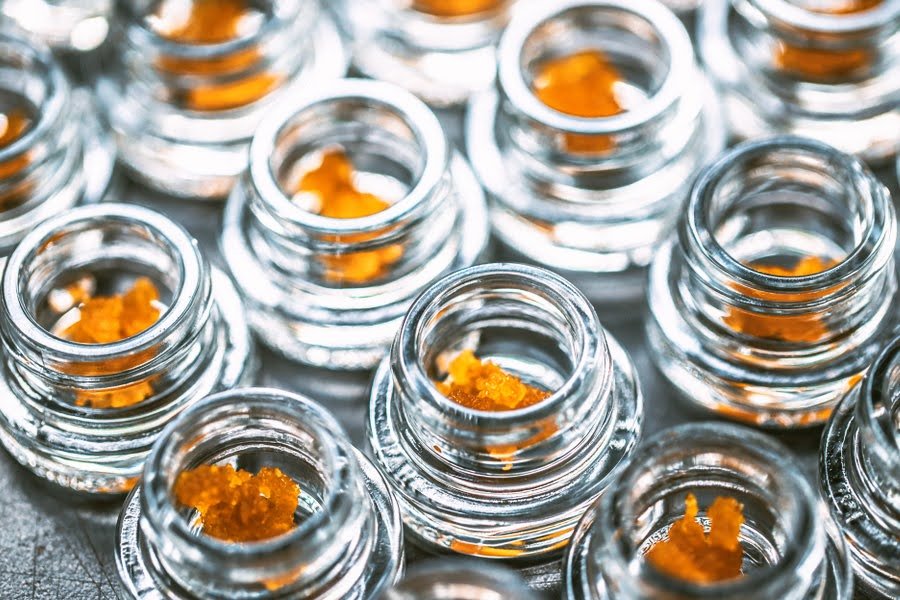
By avoiding harsh chemicals, you ensure that your homemade dabs are clean and safe to consume. This solventless approach is not only safer but also preserves the authentic flavor and potency of the cannabis plant, providing a superior experience compared to many store-bought alternatives.
Rosin press vs. hair straightener methods
Solventless extraction centers on two accessible techniques: the dedicated rosin press and the improvised hair straightener method. Both approaches use heat and pressure to extract cannabinoids from plant material without chemical solvents. The choice between them depends largely on your budget, desired consistency, and tolerance for trial and error.
A dedicated rosin press is the standard for consistency. These machines offer precise temperature and pressure controls, allowing you to dial in specific results. This precision typically yields a higher quality concentrate with better terpene preservation, though the upfront cost is significantly higher. The hair straightener method, often called the "flat iron" technique, is a low-barrier entry point. It requires no specialized equipment beyond a standard styling tool and parchment paper. While it is inexpensive and easy to set up, it lacks precise control, often resulting in a wider variance in yield and texture.
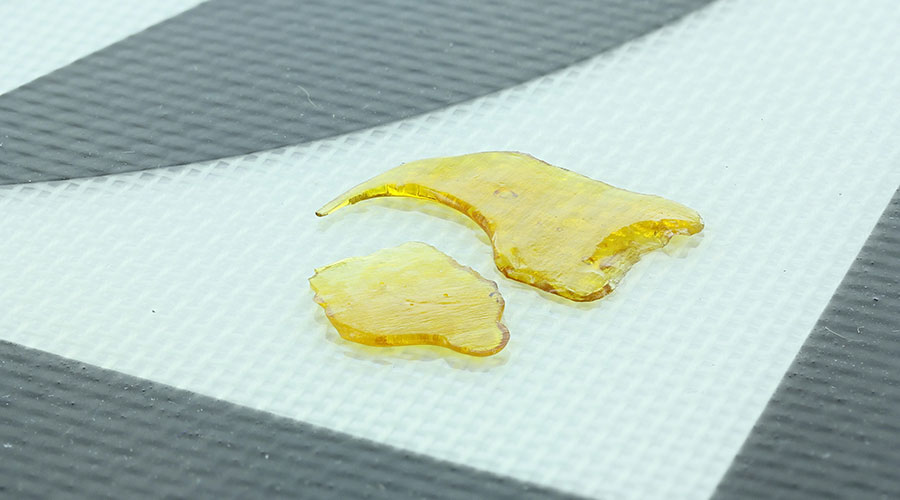
The following comparison highlights the operational differences between these two methods.
| Feature | Dedicated Rosin Press | Hair Straightener | Clothing Iron Kief Press |
|---|---|---|---|
| Initial Cost | High ($150+) | Low (Household item) | Low ($20-$40) |
| Temperature Control | Precise digital control | Uncontrolled, variable | Uncontrolled, variable |
| Pressure Consistency | High, adjustable | Low, manual grip | Medium, manual weight |
| Yield Quality | Consistent, pure | Variable, potential debris | Variable, potential debris |
| Ease of Use | Moderate learning curve | Very easy | Easy |
For beginners focused on safety and cost, the hair straightener or clothing iron methods are practical starting points. They demonstrate the basic mechanics of solventless extraction. However, if you prioritize consistency and purity in your production process, investing in a dedicated press will save time and material in the long run.
Store-bought concentrates compared
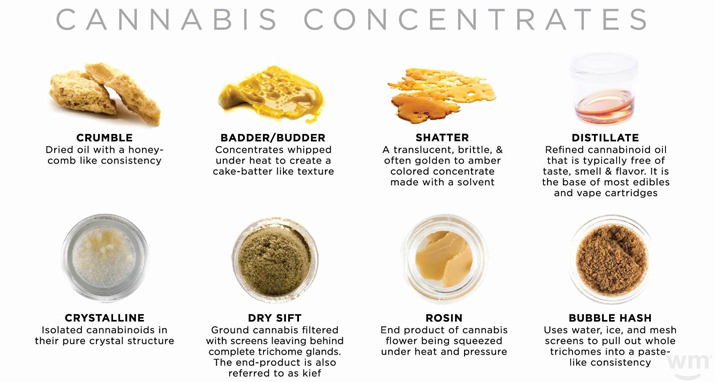
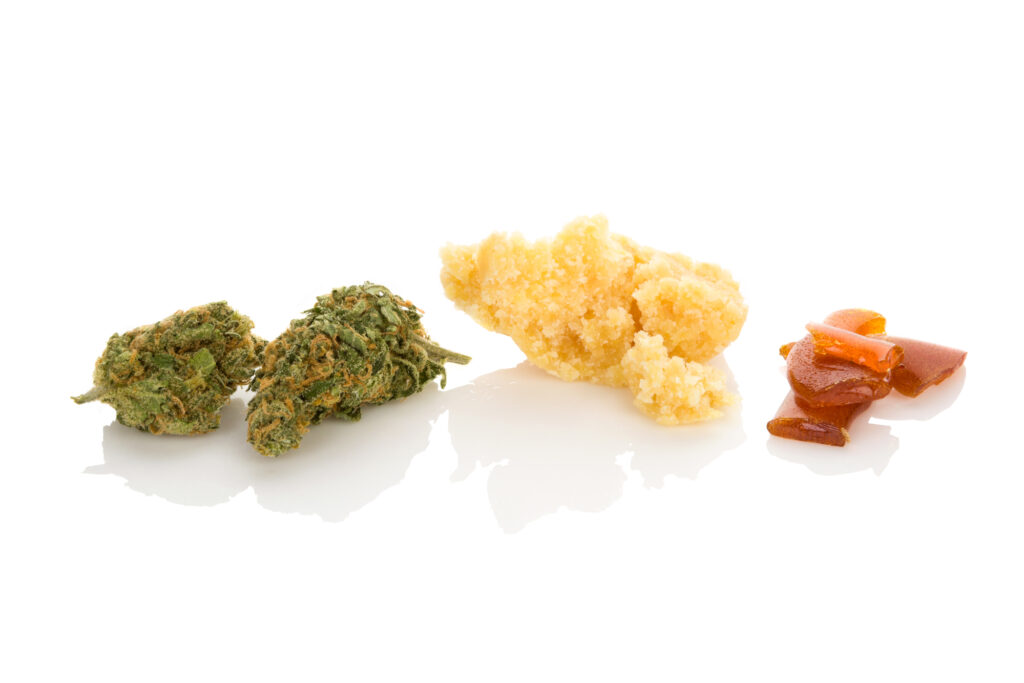
Most commercial concentrates sold in dispensaries are made using solvent extraction. Manufacturers pass hydrocarbons like butane or propane, or supercritical CO2, through cannabis biomass to pull out cannabinoids and terpenes. The solvent is then purged under heat and vacuum to leave behind a concentrated product. This industrial process allows for high yields and consistent textures, resulting in products like wax, shatter, and live resin.
While these methods are efficient, they introduce safety and purity considerations that do not apply to solventless techniques. Solvent extraction requires specialized equipment and strict environmental controls to prevent explosions or residual solvent contamination. In contrast, when you make dabs using rosin, you rely solely on heat and pressure. This eliminates the need for flammable chemicals entirely, making the process significantly safer for home use.
The trade-off is that solventless rosin typically yields less product per gram of plant material compared to solvent extraction. However, rosin preserves the full spectrum of the plant's natural profile without the risk of chemical residues. For those prioritizing safety and simplicity, understanding the difference between these two production methods is essential before choosing a concentrate.
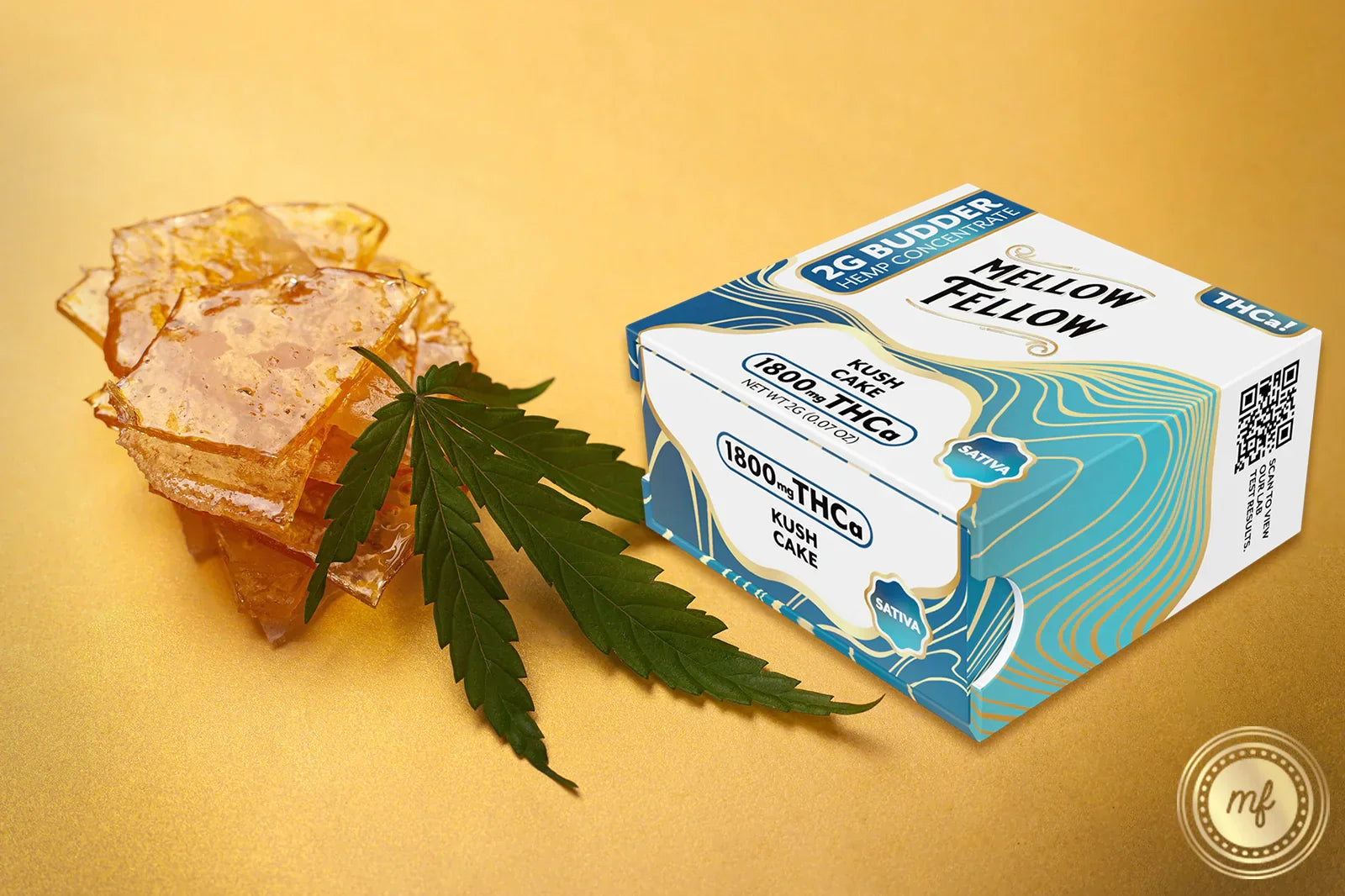
Safety and side effects analysis
Solventless rosin methods offer a distinct safety advantage over many commercial concentrates. Because rosin relies on heat and pressure rather than chemical solvents, it eliminates the risk of residual solvents like butane or propane lingering in the final product. Commercial dabs, particularly those made via hydrocarbon extraction, require rigorous purging processes to remove these chemicals. If purging is incomplete, users may inhale trace amounts of these solvents, which can cause throat irritation or other respiratory discomfort.
The purity of solventless home dabs is generally higher because no external chemicals are introduced during the extraction process. This makes the rosin method the preferred choice for those prioritizing safety and clean consumption. In contrast, some store-bought concentrates may contain residual solvents if quality control measures are lax. Reputable manufacturers test their products for solvent residue, but home-made rosin provides inherent assurance of purity by design.
High-potency THC concentrates, regardless of extraction method, carry similar side effects due to their concentrated nature. Users may experience rapid onset of effects, including anxiety, paranoia, or dizziness, especially if they are new to dabbing. The potency of rosin can be comparable to commercial dabs, so starting with a small amount is crucial. Vaporizing at lower temperatures can also help mitigate harshness and reduce the intensity of side effects.
When comparing safety profiles, the absence of solvents in home-made rosin is a significant benefit. However, it is important to note that improper handling of heat sources, such as torches or ovens, can pose physical risks. Always prioritize proper ventilation and temperature control when making dabs at home to ensure a safe experience.
Cost and effort breakdown
Solventless rosin methods require an upfront investment in equipment, but the recurring costs are minimal. You will need a heat source—such as a hair straightener or a dedicated hydraulic press—and basic supplies like parchment paper and a collection tool. The primary material cost is high-quality cannabis flower, which you can often source from local dispensaries or home grows. Once you have the tools, the cost per gram of rosin is generally lower than buying pre-made concentrates, assuming you have the patience to master the process.
In contrast, purchasing store-bought concentrates offers immediate convenience but comes with a higher long-term price tag. Retail concentrates include costs for extraction labor, packaging, and retail markup. While you save time by skipping the pressing or washing process, you pay a premium for that readiness. For occasional users, the store-bought route may be more economical, but regular users often find the DIY approach pays for itself after a few batches.
| Factor | DIY Rosin Making | Store-Bought Concentrates |
|---|---|---|
| Upfront Cost | Moderate (press/iron, tools) | None |
| Per-Gram Cost | Low (cost of flower) | High (labor, markup) |
| Time Investment | High (pressing, cleaning) | Low (ready to use) |
| Control | Full (strain, temp, purity) | Limited (brand dependent) |
The effort-to-reward ratio depends on your usage frequency. If you value transparency and purity, the time spent learning solventless extraction is often worth the savings and quality control. Solventless methods eliminate the risk of residual chemicals, providing a cleaner product that many enthusiasts prefer over solvent-based alternatives.
Beginner dabbing safety checklist
Using solventless rosin is the safest entry point for making and consuming dabs at home because it eliminates the risks associated with flammable solvents like butane. However, even with clean extracts, improper handling of heat and dosage can lead to harsh experiences or equipment damage. Follow this ordered checklist to ensure a safe, controlled dabbing session.
Before heating anything, ensure your dab rig is clean and assembled. Check that the nail or banger is securely attached and the carb cap is within reach. A dirty rig can introduce harsh flavors and residue into your rosin, affecting both safety and taste.
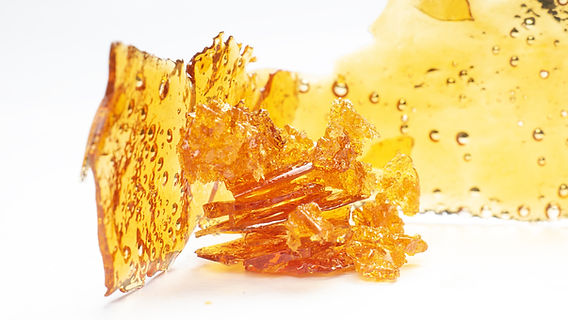
Use a digital thermometer or a laser temp gun to check your nail temperature. For rosin, lower temperatures (315–450°F) preserve terpenes and reduce the risk of burning the concentrate. Avoid overheating, which can create harmful byproducts and damage the rig’s internal components.
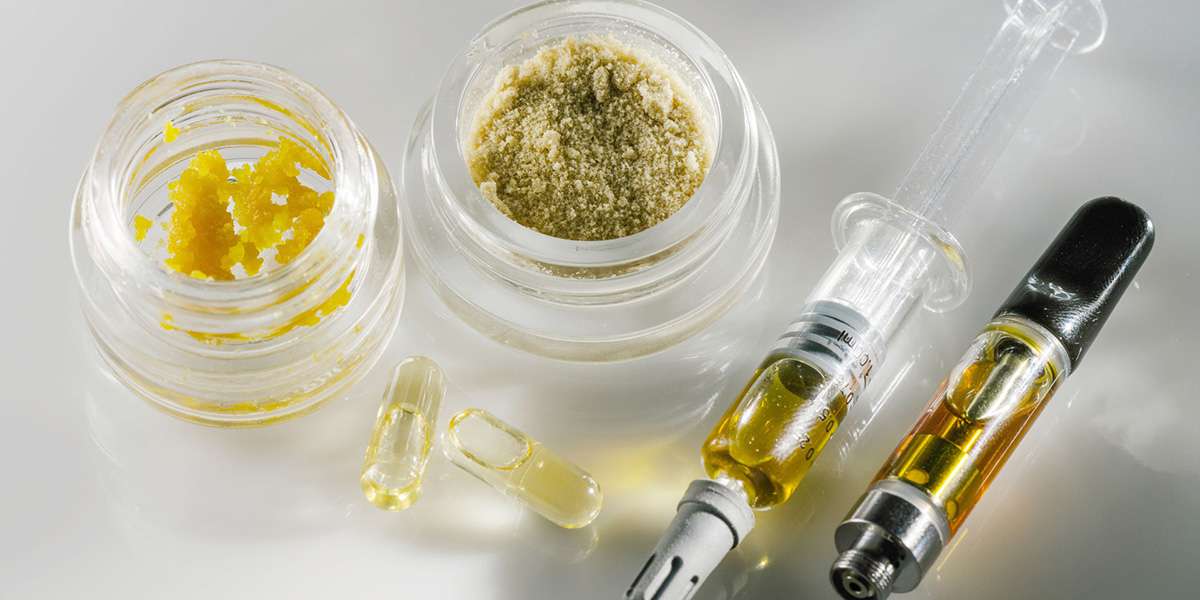
Use a clean dabber to pick up a small amount of rosin—start with a grain-of-rice size. Apply it to the heated nail carefully to avoid splashing hot oil on your fingers. Solventless rosin can be potent; starting small helps you gauge the effects without overwhelming your system.
Immediately cover the nail with a carb cap to lower the boiling point and vaporize the concentrate efficiently. Inhale slowly and steadily through the mouthpiece. Rapid, deep inhales can cause coughing fits and throat irritation, especially for beginners.
Once the dab is consumed, heat the nail to a higher temperature for a few seconds to burn off any remaining residue. Let it cool slightly before wiping it with a cotton swab dipped in isopropyl alcohol. This prevents buildup and ensures your next dab tastes clean.
Common questions about making dabs
Solventless rosin pressing is the most accessible entry point for beginners, requiring only a heat source like a clothing iron and parchment paper. This approach avoids the explosive risks associated with hydrocarbon solvents like butane or propane, which require specialized equipment and ventilation to use safely.
Is it possible to make dabs at home?
Yes, you can produce concentrates at home using three primary methods: the flat iron rosin press, the kief press, and alcohol extraction. The rosin press method is widely considered the most beginner-friendly because it relies on heat and pressure rather than volatile chemicals. You simply sandwich cannabis flower or hash between parchment paper and apply consistent heat to squeeze out the resinous oils.
How is dab made?
Concentrates are created by separating the trichomes (which hold THC and terpenes) from the plant material. While traditional dabs often use butane to dissolve the THC before evaporating the solvent, solventless methods use mechanical agitation or heat to isolate the resin. The resulting extract is then cured or processed into a waxy, crystalline, or honey-like consistency depending on the temperature and agitation techniques used during production.
How to do a dab for beginners?
Start by preparing your rig and picking up a small amount of concentrate with a dabber tool. Heat your nail or banger, then wait approximately 30 to 45 seconds for the temperature to drop to an optimal range—usually between 315°F and 450°F depending on your desired flavor and vapor density. Apply the concentrate to the surface, immediately inhale through the mouthpiece, and clean the nail while it is still warm to prevent residue buildup.
No comments yet. Be the first to share your thoughts!