

What the budget buys
Price is the first filter for texture. Sand dabs and hash rosin occupy different tiers, and the gap reflects the labor required to produce them. Sand dabs are generally the more affordable entry point. They are often made from lower-grade kief or leftover trim, pressed with minimal refinement. You are paying for convenience and a quick hit rather than a pristine extract.
Hash rosin costs more because it demands time and precision. The process starts with high-quality fresh-frozen material, which is then washed into ice water hash. That hash is then pressed with heat and pressure to release the oil. This solventless method preserves delicate terpenes but requires significant effort. You are paying for the quality of the starting flower and the skill of the presser.
Expect to pay significantly more for hash rosin. While sand dabs might range from $20 to $40 per gram depending on the market, premium hash rosin often starts at $50 and can exceed $100 per gram. This price difference signals a shift in texture. Sand dabs tend to be sticky, shattery, or paste-like, with a rougher mouthfeel. Hash rosin is typically smoother, more viscous, and closer to honey or jam.
Age and storage also impact what you get for your money. Older sand dabs can dry out or oxidize, becoming brittle or dark. Hash rosin is more stable if stored correctly, but it can still degrade if exposed to heat or light. Always check the date on the package. A fresh hash rosin will have a brighter color and a more complex aroma than an aged sand dab.
The tradeoff is clear. If you want a strong effect on a budget, sand dabs deliver. If you prioritize flavor, smoothness, and a refined texture, hash rosin is worth the extra cost. Consider your budget as a guide to the experience you are likely to have.
Models worth checking first
Compare the strongest sand dabs options without inventing specs.
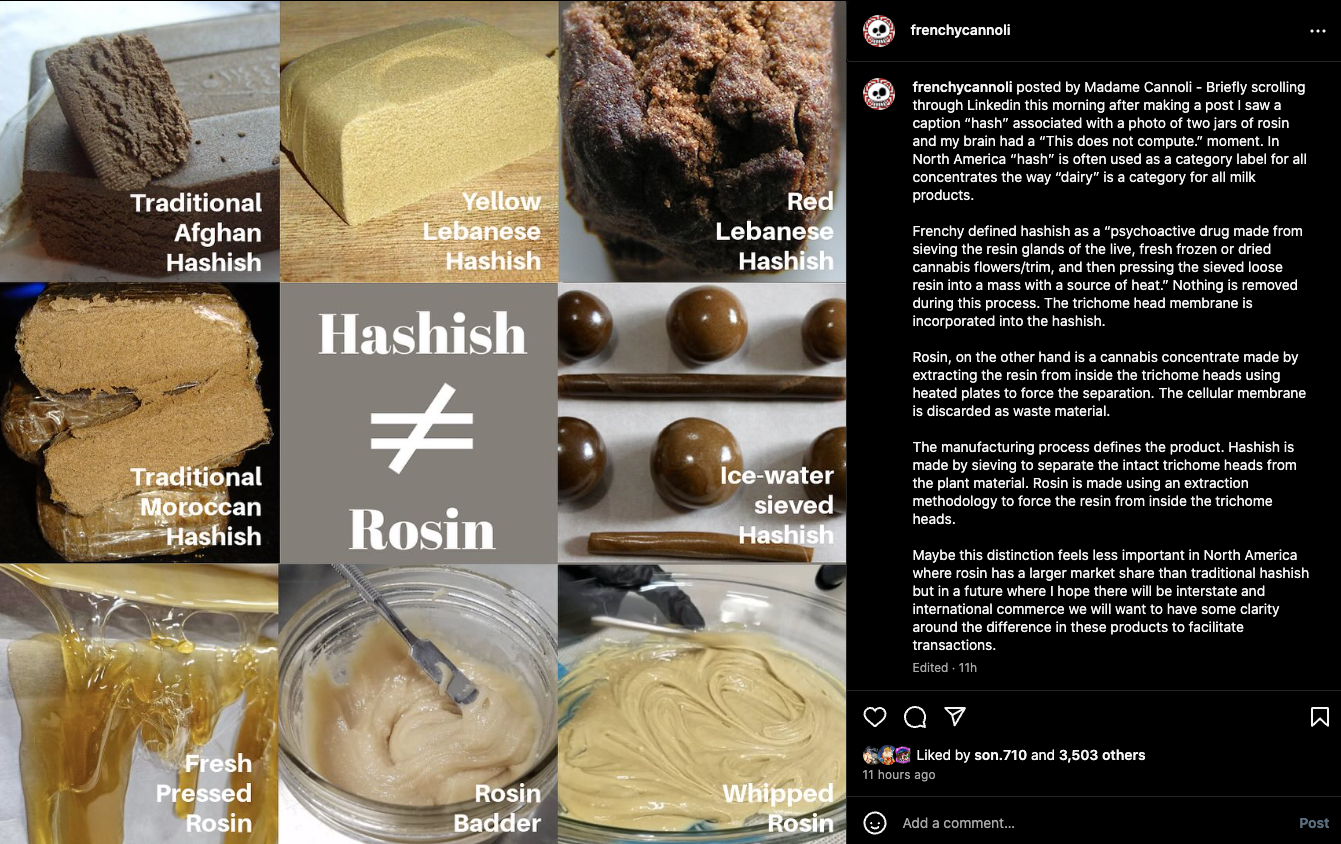
A useful reference point is A cool guide that describes different types of cannabis concentrates, but treat it as context rather than a substitute for your own inspection.
| Factor | What to check | Why it matters |
|---|---|---|
| Fit | Match the option to the primary use case. | A good deal still fails if it does not fit the job. |
| Condition | Verify age, wear, and service history. | Hidden condition issues erase upfront savings. |
| Cost | Compare purchase price with likely upkeep. | The cheapest option is not always the lowest-cost option. |
Check before you buy
Give a practical inspection checklist focused on expensive failure points.
A useful reference point is A cool guide that describes different types of cannabis concentrates, but treat it as context rather than a substitute for your own inspection.
-
Verify the basicsConfirm the core specs, condition, and fit before comparing extras.
-
Price the downsideLook for the repair, maintenance, or replacement cost that would change the decision.
-
Compare alternativesCheck at least two comparable options before treating one listing as the benchmark.
Ownership Costs
The sticker price of a concentrate is rarely the final bill. With sand dabs and hash rosin, the real cost often hides in the equipment required to consume them properly and the shelf life of the product itself. A cheap jar of rosin can become expensive if it degrades before you finish it, or if you lack the right hardware to handle its texture.
Sand dabs require a specific type of rig setup. Because they are essentially ice water hash pressed into a solid form, they often need a quartz banger or nail heated to a precise temperature to vaporize without burning. This means you are investing in hardware that can withstand thermal shock and maintain consistent heat. If you are using a standard e-nail or a high-quality dab rig, the upfront cost is higher than a simple cartridge, but the flavor profile remains distinct.
Hash rosin presents a different maintenance challenge. It is sensitive to heat and light. If stored improperly, it can become sticky, leak, or lose its terpene profile within weeks. This shorter window means you may need to buy more frequently to maintain quality, effectively raising the cost per gram over time. Sand dabs, being more stable in their solid form, often have a longer usable shelf life when kept cool and dark, offering better longevity for the same initial price.
When evaluating these options, look beyond the price per gram. Consider the durability of your current hardware and how quickly you typically consume your concentrates. If you go through product slowly, the stability of sand dabs might offer better value. If you prefer the convenience of rosin and have the right storage, the higher initial quality might justify the faster turnover.
Common questions about sand dabs and hash rosin
Is sand dab the same thing as hash rosin? They are related but not identical. Sand dabs are a specific texture of hash rosin that resembles wet sand or sugar. Hash rosin is the broader category of solventless extract made by applying heat and pressure to ice water hash. All sand dabs are hash rosin, but not all hash rosin has that gritty, sand-like consistency.
Can I smoke sand dab or hash rosin on flower? Yes. Because these are concentrates, you can sprinkle them over ground cannabis flower and smoke it like a joint or bowl. This method, often called "dusting," allows you to experience the terpene profile without needing a dab rig. It is a simple way to add potency to a traditional smoking experience.
Do I need a special rig for sand dab? You can use a standard quartz or titanium nail, but sand dab requires careful temperature control. Because the texture is granular, it can clog if the temperature is too low or burn if it is too high. Many users prefer a lower temperature setup to preserve the delicate terpenes and ensure the sand melts evenly without vaporizing the concentrate into smoke too quickly.
How do I store hash rosin to keep it fresh? Store hash rosin in a cool, dark place away from direct sunlight. Exposure to heat and UV light can degrade the terpenes and cannabinoids, leading to a loss of flavor and potency. Keep it in an airtight container to prevent it from drying out or absorbing moisture, which can alter the texture and make it harder to work with.
No comments yet. Be the first to share your thoughts!