

Is live rosin the new standard?
Wax, shatter, and budder have long relied on butane or CO2. Now, live rosin is taking over. It’s a cleaner method that uses only heat and pressure, which is exactly what people want when they're trying to avoid chemical residues.
The key difference? Solventless extraction. Unlike traditional concentrates, live rosin is made using only heat and pressure, preserving the delicate terpenes and cannabinoids without the risk of residual solvents. This isn’t a completely new idea, though. Rosin itself has been around for centuries, traditionally made by pressing cannabis flower through a screen. Live rosin, however, takes it a step further by using fresh frozen flower as its starting material.
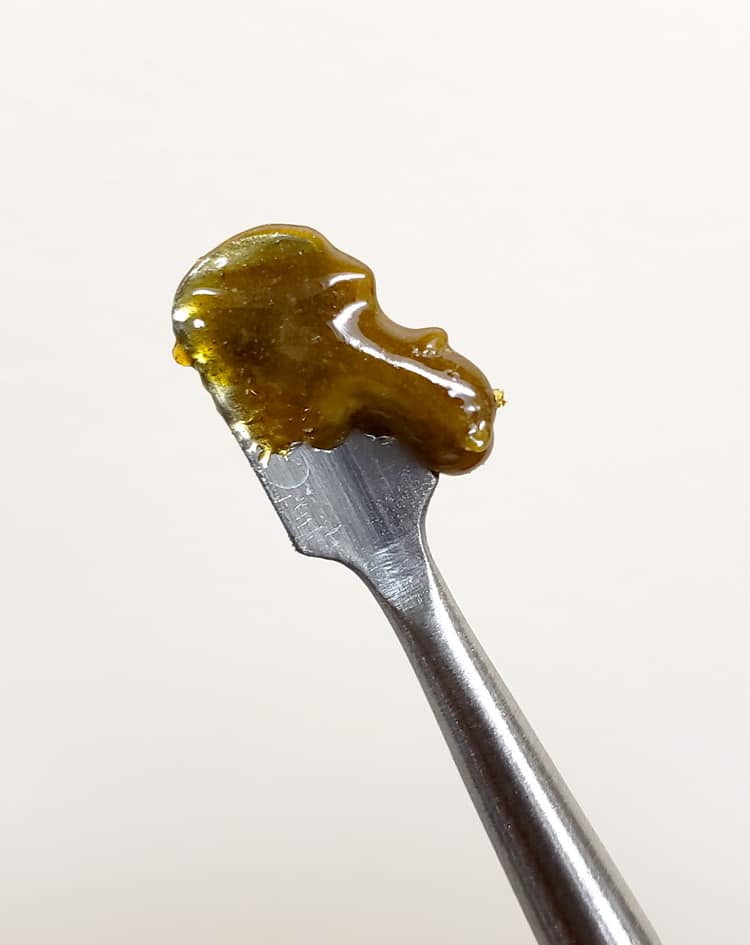
The flavor is the real draw. Because the process is gentle, the terpenes stay intact, making the concentrate taste like the actual plant. By 2026, I expect this to be the standard for anyone serious about dabbing.
The increasing demand for clean, flavorful dabs is driving innovation in solventless extraction. We’re seeing more sophisticated rosin presses, improved freezing techniques, and a growing body of knowledge around optimal pressing parameters. It’s an exciting time for rosin enthusiasts, and this guide will walk you through everything you need to know to make high-quality live rosin dabs at home.
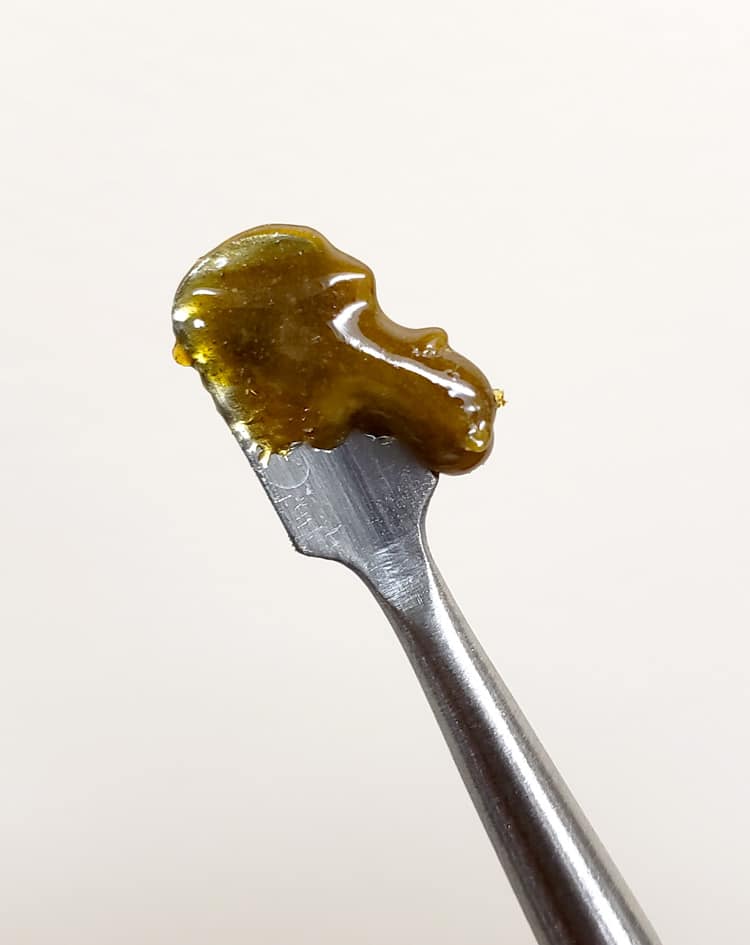
Gear you need for home pressing
Making live rosin at home isn’t a cheap endeavor, but the quality you can achieve is worth the investment for many. The centerpiece of your setup will be a rosin press. You have two main options: hydraulic and pneumatic. Hydraulic presses are generally more affordable, with prices starting around $300 for a basic model, but require more manual effort. Pneumatic presses, which use compressed air, offer more precise control and automation, typically costing between $800 and $3,000.
Plate material is another important consideration. Aluminum plates are more affordable and easier to clean, but steel plates can withstand higher temperatures and pressures, potentially increasing yield. Expect to pay around $100-$300 for a set of quality plates. Beyond the press, you’ll need collection tools – silicone containers are ideal for collecting the rosin, and stainless steel dab tools are essential for handling it. These will run you around $30-$100.
Don't underestimate the importance of parchment paper. You’ll use this to contain the rosin during pressing; unbleached parchment paper is the way to go, costing around $10-$20 for a roll. Pre-press molds are also incredibly useful for creating consistent pucks, which maximize surface area and improve flow. These can range from $20 for simple silicone molds to $100+ for more elaborate metal designs. A heat gun can be helpful for pre-pressing, although not strictly necessary, costing around $30-$50.
You also need fresh frozen flower or hash. A basic setup with a hydraulic press and tools usually runs between $400 and $600. If you go pneumatic, expect to spend over $1,500.
- Rosin presses cost anywhere from $300 for manual units to over $3,000 for pneumatic systems.
- Collection Tools (Silicone, Dab Tools): $30 - $100
- Parchment Paper: $10 - $20 per roll
- Pre-Press Molds: $20 - $100+
- Heat Gun (Optional): $30 - $50
- Fresh Frozen Flower/Hash: Variable, dependent on quality and quantity
Rosin Press Comparison for Home Live Rosin Production
| Price Range | Ease of Use | Pressure Control | Maintenance | Best For |
|---|---|---|---|---|
| Generally Lower | Relatively Simple | Limited, often pre-set | Moderate - requires occasional lubrication and inspection | Beginner/Small Batches |
| Moderate | Straightforward, but requires air compressor | Good, adjustable with compressor regulator | Moderate - compressor maintenance in addition to press | Enthusiast/Consistent Use |
| Higher | Can be complex, requiring familiarity with hydraulics | Excellent, precise control via gauge and pump | Moderate to High - potential for hydraulic fluid leaks and pump maintenance | Enthusiast/Larger Batches |
| Moderate to High | Similar to hydraulic, but potentially smoother operation | Excellent, precise control via gauge and pump | Moderate - potential for air line issues and pump maintenance | Enthusiast/Larger Batches |
| Generally Lower | Simple to operate, manual force | Limited, relies on user strength | Low - minimal moving parts | Very Small Batches/Budget Conscious |
| Moderate | Requires some physical effort, but relatively easy | Good, adjustable with leverage and plate positioning | Low to Moderate - occasional bolt tightening | Beginner/Small to Medium Batches |
Illustrative comparison based on the article research brief. Verify current pricing, limits, and product details in the official docs before relying on it.
Why fresh frozen flower matters
Live rosin’s superior quality hinges on one key factor: fresh frozen flower. Unlike traditional rosin made from dried and cured bud, live rosin uses flower that’s been flash frozen immediately after harvest. This preserves the plant’s delicate terpene profile, which is often lost during the drying and curing process. Think of it like cooking with fresh versus dried herbs – the difference in flavor is substantial.
Proper harvesting and trimming are essential. The flower should be harvested at peak maturity, when trichome production is at its highest. Careful trimming removes excess leaves and stems, focusing on the flower itself. Immediately after trimming, the flower needs to be flash frozen. This is best achieved using a blast chiller or dry ice, bringing the temperature down to below -29°F (-34°C) as quickly as possible.
Terpene preservation is the ultimate goal. Terpenes are responsible for the aroma and flavor of cannabis, and they’re also thought to contribute to the overall effects of the plant. Freezing the flower prevents terpenes from degrading and evaporating. When sourcing flower for live rosin, look for dense buds covered in trichomes – these are the resin glands that contain the cannabinoids and terpenes. Strain selection also matters; strains known for their robust terpene profiles will yield more flavorful rosin.
While fresh frozen flower is ideal, bubble hash – also known as ice water hash – can be a viable alternative. Bubble hash is made by agitating cannabis flower in ice water, separating the trichomes from the plant material. It offers a concentrated source of cannabinoids and terpenes, and can be pressed into rosin just like flower, though the resulting yield may be lower.
Mastering the pre-press
Before you even think about running your flower through the rosin press, you need to pre-press it. This crucial step involves compressing the flower into a firm puck. Why? Because a puck creates a larger surface area, allowing for more efficient flow of resin when pressed. It also prevents the flower from scattering during pressing, leading to a cleaner and higher yield.
There are several pre-pressing techniques. The simplest is hand-pressing, where you manually compress the flower using a mold and some serious elbow grease. This works, but it’s inconsistent and requires significant effort. A more effective method is using a pre-press mold. These molds come in various shapes and sizes, and they help create uniform pucks. You can apply pressure using a clamp or a small hydraulic press.
For those serious about maximizing yield, a pneumatic pre-press is the way to go. These presses deliver consistent and controlled pressure, ensuring a perfectly formed puck every time. Optimal pressure and duration depend on the quality and density of the flower. A good starting point is around 100-200 PSI for 5-10 minutes. Experimentation is key to finding what works best for your material.
Troubleshooting is common. If your pucks are uneven, try redistributing the flower more evenly in the mold. If the puck is tearing, reduce the pressure or duration. Remember, the goal is to compress the flower without completely crushing it. A well-formed puck will be firm and hold its shape, ready for the rosin press.
- Hand-Pressing: Simple, but inconsistent.
- Pre-Press Mold: Creates uniform pucks.
- Pneumatic Pre-Press: Delivers consistent, controlled pressure.
Rosin Pressing: Temperature, Time, and Pressure
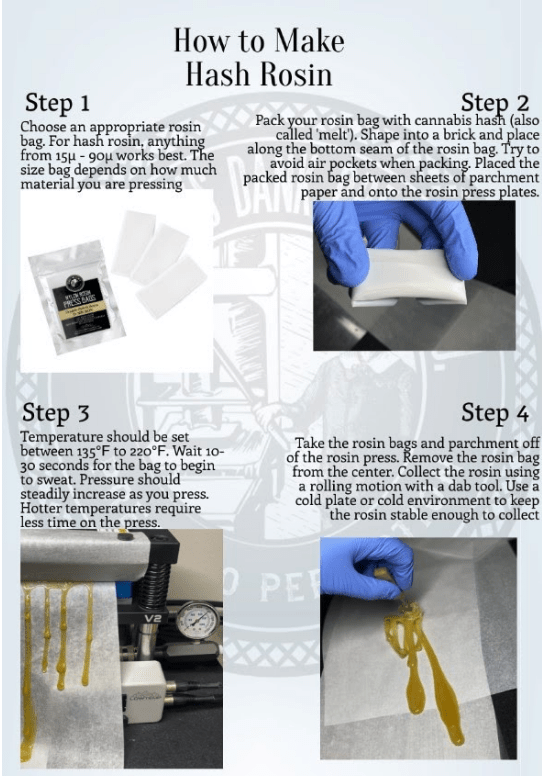
This is where the magic happens. The rosin press is where heat and pressure combine to extract the precious resin from your pre-pressed flower. Finding the sweet spot for temperature, time, and pressure is crucial for maximizing yield and preserving terpenes. There’s no one-size-fits-all answer, as the optimal settings depend on the quality of your flower, your desired consistency, and your press’s capabilities.
Temperature is arguably the most important factor. Lower temperatures (160-200°F / 71-93°C) generally preserve more terpenes, resulting in a more flavorful rosin. However, lower temperatures also mean lower yields. Higher temperatures (220-250°F / 104-121°C) will increase yield, but can degrade terpenes and result in a darker, less flavorful product. Start with a lower temperature and gradually increase it until you find a balance between yield and flavor.
Pressure and time are also interconnected. Higher pressure generally leads to higher yields, but excessive pressure can also damage the flower and result in contaminants in your rosin. A good starting point is around 500-1000 PSI for 3-5 minutes. Time needs to be adjusted with temperature and pressure; longer times at higher temperatures can lead to burnt rosin. Plate heat-up time is also important; ensure your plates are fully heated before applying pressure.
Safety is paramount. Rosin pressing involves high temperatures and pressures, so always wear heat-resistant gloves and eye protection. Work in a well-ventilated area. Never leave the press unattended while it’s operating. Start with conservative settings and gradually increase them as you gain experience. Remember, experimentation is key—keep detailed notes on your settings and results to refine your technique.
Collection and Curing: From Press to Dab
Once the pressing is complete, carefully collect the rosin using a stainless steel or silicone tool. Avoid using metal tools that could scratch or contaminate your rosin. A clean work environment is essential to prevent unwanted particles from getting into your concentrate. Wipe down your work surface with isopropyl alcohol before and after each pressing.
Curing is the final step in the process, and it can significantly impact the consistency and flavor of your rosin. Cold curing involves storing the rosin in an airtight container in a cool, dark place for several days or weeks. This allows the terpenes to stabilize and the rosin to develop a more complex flavor profile. Warm curing involves storing the rosin at a slightly elevated temperature (around 70-80°F / 21-27°C) for a shorter period.
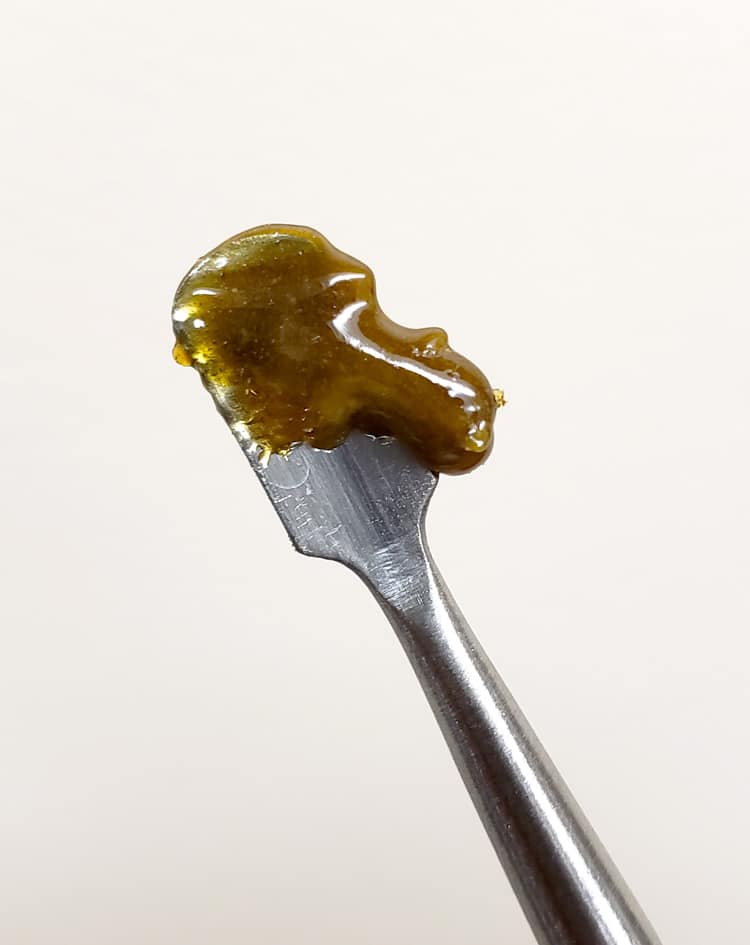
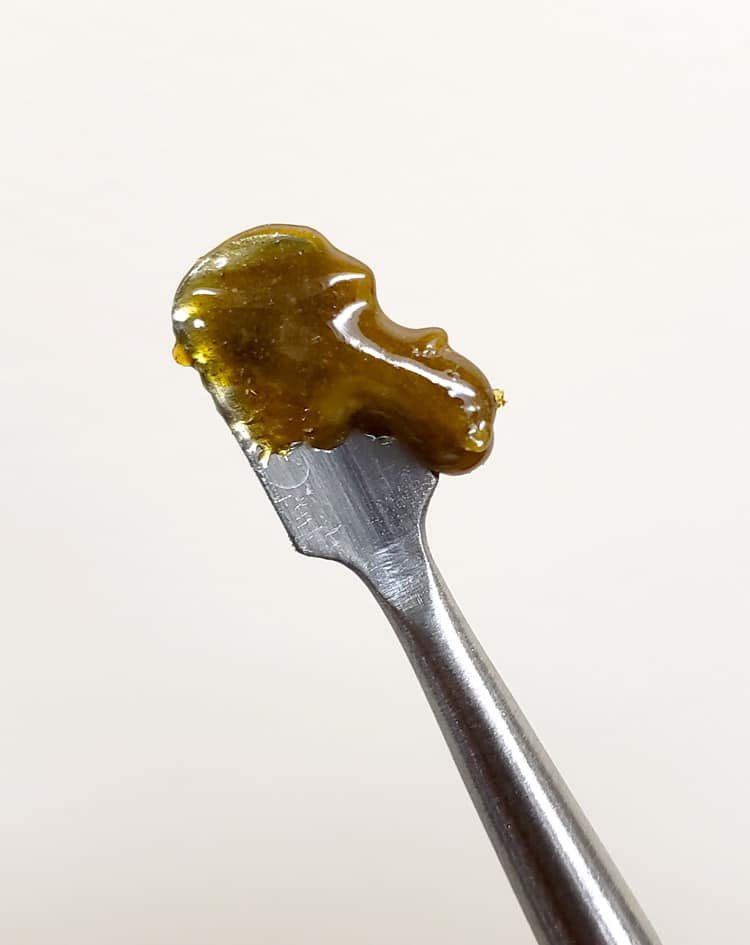
Rosin can exhibit a variety of consistencies, depending on the starting material, pressing parameters, and curing method. "Sauce’ is a runny, terpene-rich consistency. ‘Budder’ is a soft, creamy consistency. ‘Shatter" is a brittle, glass-like consistency. Each consistency offers a slightly different dabbing experience.
Proper storage is crucial for preserving the quality of your rosin. Store it in an airtight silicone container in a cool, dark place. Avoid exposure to air, light, and heat. Properly stored rosin can maintain its potency and flavor for months.
- Silicone containers: Ideal for storage.
- Stainless steel dab tools: Essential for handling.
- Isopropyl alcohol: For cleaning work surfaces.
2026 Extraction Innovations: What's Next?
The world of solventless extraction is evolving rapidly. We’re already seeing advancements in rosin press technology, with automated presses offering increased precision and efficiency. Improved plate materials, like titanium, are allowing for higher temperatures and pressures, potentially increasing yield and quality. These innovations will likely become more commonplace by 2026.
New techniques are also emerging. Cold-cure rosin, a process that involves curing rosin at extremely low temperatures, is gaining popularity for its ability to preserve even more terpenes. The use of different starting materials, such as dry sift and ice water hash, is also being explored. These alternative materials can offer unique terpene profiles and consistencies.
Automated systems are a major area of development. Presses that automatically control temperature, pressure, and time are becoming more accessible, making the process more consistent and user-friendly. Data analytics and machine learning are also being applied to optimize pressing parameters, tailoring the process to specific strains and desired outcomes.
The future of rosin production looks bright. As technology continues to advance and our understanding of cannabis chemistry deepens, we can expect to see even more innovative extraction methods and higher-quality concentrates. Solventless extraction, and live rosin in particular, is poised to become the dominant force in the cannabis industry, offering a cleaner, more flavorful, and more sustainable alternative to traditional concentrates.
- Automated Rosin Presses: Increased precision and efficiency.
- Improved Plate Materials (Titanium): Higher temperatures and pressures.
- Cold-Cure Rosin: Enhanced terpene preservation.
- Alternative Starting Materials (Dry Sift, Ice Water Hash): Unique profiles.
No comments yet. Be the first to share your thoughts!