

Why live rosin is winning
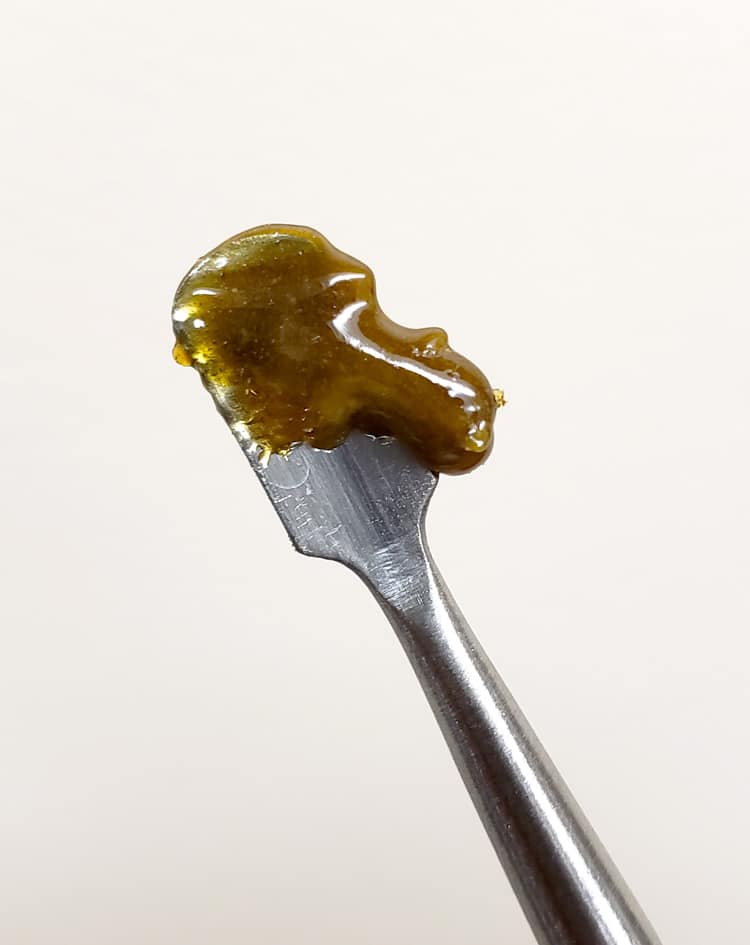
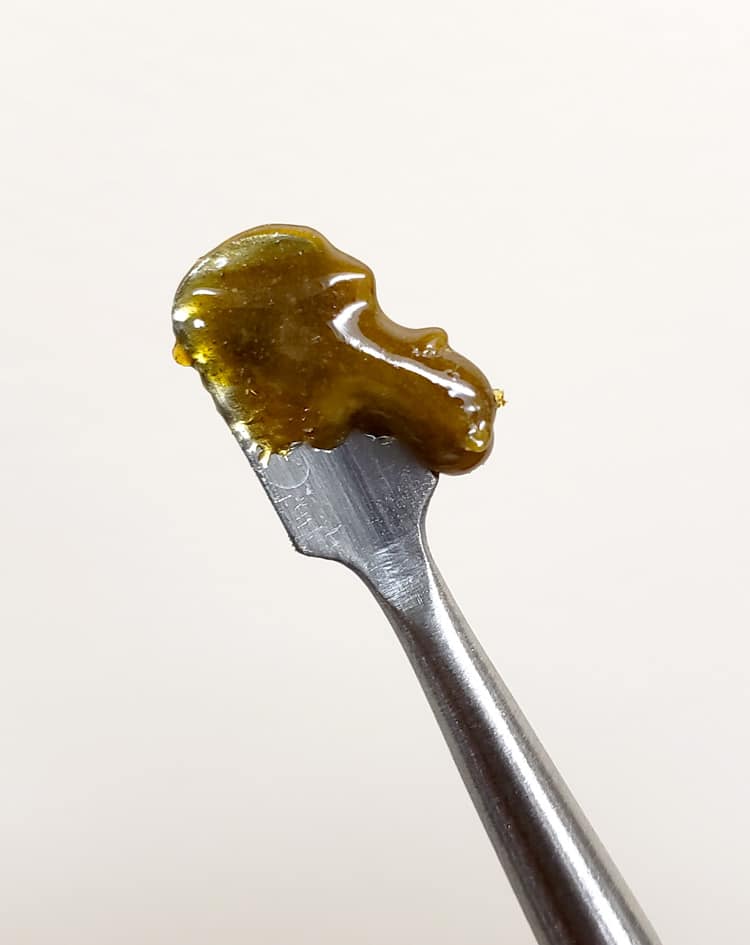
Dabbing used to mean butane and hash oil. Now, live rosin is the standard for anyone who wants a clean hit. It's a solventless extract, so you aren't inhaling residual chemicals. I prefer it because the flavor actually tastes like the plant, not a lab experiment.
Historically, dabs were often created using methods involving solvents like butane or propane. While effective, these processes raised concerns about residual solvents in the final product. Live rosin bypasses these concerns entirely. It’s made using only heat and pressure, preserving more of the plant’s original terpene profile and delivering a flavor that many find superior. That terpene preservation is a major draw for people looking for a full-spectrum experience.
Making this at home takes some gear and a bit of a learning curve, but the results beat anything you'll find in a shop. You need to be careful with the heat and pressure, but once you get the rhythm down, it's straightforward.
The rise of live rosin isn’t just about avoiding solvents. It’s also about capturing the freshest expression of the cannabis plant. Unlike traditional extracts made from dried and cured flower, live rosin is made from fresh-frozen material. This preserves the delicate terpenes that contribute to aroma and flavor, creating a concentrate that truly reflects the plant’s unique characteristics.
The gear you actually need
You can't shortcut the gear. A solid rosin press is your biggest investment. Hydraulic presses are cheaper and work fine for most of us, but pneumatic ones give you better control if you have the budget.
Pressure is critical. For flower, you’ll generally want to start around 1000-2000 PSI. Beyond the press, you’ll need micron bags. These are used to filter the bubble hash during the initial extraction stage. A range of 25-150 micron is ideal. 25-73 micron bags are best for collecting the smallest particles, resulting in the highest quality, but lowest yielding, full melt hash. 73-160 micron bags will yield more, but with some plant matter. You’ll also need collection tools like silicone containers and dab tools, parchment paper for pressing, and pre-press molds to create pucks for more efficient pressing.
Don’t overlook safety gear. Gloves are essential to protect your hands from heat and sticky resin. Eye protection is also crucial, especially when working with compressed air or potentially splashing materials. A heat gun can be helpful for gently warming up your flower before making bubble hash, but isn’t strictly necessary. Finally, having a dedicated, well-ventilated workspace is important. You don't want rosin residue getting everywhere.
Here's a quick checklist to ensure you have everything you need:
- Rosin press (hydraulic or pneumatic)
- Micron Bags (25-150 micron range)
- Bubble Hash Washing Bags
- Collection Tools (silicone containers, dab tools)
- Parchment Paper
- Pre-Press Molds
- Heat Gun (optional)
- Gloves
- Eye Protection
- Well-Ventilated Workspace
Making bubble hash first
The foundation of great live rosin is high-quality, fresh-frozen cannabis flower. The fresher the better; ideally, you want material that has been flash-frozen immediately after harvest. This preserves the terpenes and trichomes that contribute to the potency and flavor of the final product. Don’t skimp on the flower – the quality of your starting material will directly impact the quality of your rosin.
The first step is to create bubble hash, also known as ice water hash. This involves washing the flower with ice water to separate the trichomes from the plant material. You’ll need a series of washing bags, typically stacked within a bucket. Start by filling the bags with your frozen flower and then add plenty of ice water. Agitate the mixture gently but thoroughly for about 15-20 minutes. This helps to break off the trichomes.
After agitation, allow the mixture to sit for a few minutes to allow the heavier plant material to settle. Then, slowly pour the water through the micron bags, starting with the largest micron size and working your way down to the smallest. The water will pass through the bags, leaving the trichomes behind. This collected material is your bubble hash. The quality of the hash is determined by its purity and the size of the trichome heads.
Bubble hash is graded based on its purity. Full melt hash is the highest grade, meaning it completely vaporizes without leaving any residue. 6-star hash is very close to full melt, with minimal plant matter. Lower grades will contain more impurities and won’t produce the same quality rosin. Inspect your hash carefully – it should be a golden or amber color, with a sparkling appearance. If it looks dark or contains a lot of plant matter, it’s likely not high quality.
How to use the press
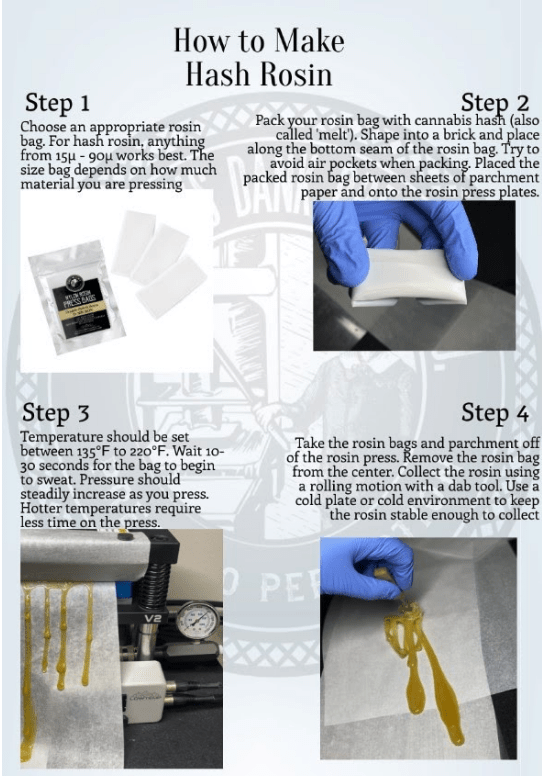
Now comes the core of the process: pressing the bubble hash. Place your bubble hash inside a micron bag and fold the ends securely. Then, place the bag between two sheets of parchment paper. This prevents the rosin from sticking to the plates of your press. Position the parchment paper and bubble hash between the heated plates of your rosin press.
Optimal temperature and pressure settings vary depending on the strain and the desired consistency of the rosin. Generally, for flower-derived rosin, a temperature range of 160-220°F (71-104°C) is a good starting point. Lower temperatures (160-190°F) will yield a more flavorful rosin with a waxier consistency, while higher temperatures (190-220°F) will produce a more potent rosin with a runnier consistency. Pressure should be around 1000-2000 PSI. It's best to start lower and gradually increase pressure.
Pressing time also plays a crucial role. Start with a pressing time of 60-90 seconds. After that, slowly release the pressure and check the yield. The rosin should flow easily onto the parchment paper. If it’s still stuck in the bag, you may need to increase the temperature or pressure slightly. Be careful not to over-press, as this can result in a darker, lower-quality rosin. Visual assessment is key – you’re looking for a golden, translucent oil.
Common mistakes include using too much heat, applying too much pressure, or uneven pressure distribution. Too much heat will degrade the terpenes and result in a dark, burnt-tasting rosin. Too much pressure can force plant matter through the micron bag, contaminating the rosin. Uneven pressure can lead to inconsistent yields. If you’re getting low yields, double-check your bubble hash quality and ensure your press plates are clean and properly aligned. If your rosin is dark, lower the temperature and reduce the pressing time. If it’s oily, try a shorter pressing time and lower temperature.
- Place bubble hash in a micron bag, folded and secured.
- Place bag between two sheets of parchment paper.
- Position between heated press plates.
- Start with 160-220°F and 1000-2000 PSI.
- Press for 60-90 seconds.
- Slowly release pressure and assess yield.
Post-Press Refinement: Curing and Whipping
The pressing process isn't the end. Post-processing is crucial for improving the stability, flavor, and consistency of your live rosin. Curing involves storing the rosin in a cool, dark place for a period of time. This allows the terpenes to stabilize and the rosin to develop a more complex flavor profile. Properly cured rosin will be more resistant to oxidation and will maintain its potency for longer.
Whipping is a technique used to alter the texture of the rosin. Cold cure involves storing the rosin in a cool, dark place for several days or weeks. This results in a more stable, wax-like consistency. Warm cure involves gently warming the rosin with a heat gun or in a warm water bath. This can create a budder-like or sauce-like consistency. The choice of whipping technique depends on your personal preference.
Different curing methods yield different results. Long-term cold curing can create a very stable, almost crystalline rosin. Short-term warm curing can enhance the aroma and create a more visually appealing product. Experiment with different techniques to find what works best for you. Don't be afraid to try different temperatures and durations.
Proper storage is essential for maintaining the quality of your live rosin. Store it in an airtight silicone container in a cool, dark place. Avoid exposure to light and air, as this can cause the terpenes to degrade. Properly stored rosin can last for several months without significant loss of potency or flavor.
Dabbing Safely: Best Practices for Live Rosin
Dabbing live rosin is a rewarding experience, but it’s important to do it safely. Low-temp dabs are generally preferred, as they preserve more of the terpenes and reduce the risk of combustion. Heat your nail or banger to a lower temperature (around 400-500°F) and allow it to cool slightly before adding the rosin. A carb cap is essential for controlling airflow and maximizing vaporization.
Always use a quality dab tool to handle the rosin. Avoid touching the rosin directly with your fingers, as it can be sticky and difficult to remove. Be extremely careful when handling hot nails or bangers – they can cause severe burns. Never leave a hot nail unattended. The risks of hot oil are real, and burns are a common injury among dabbers.
A clean setup is crucial. Regularly clean your nails, bangers, and dab tools to remove residue and prevent contamination. Proper ventilation is also important, as dabbing can produce strong odors. Consider using an exhaust fan or dabbing in a well-ventilated room. Responsible consumption is key – start with a small dab and gradually increase the amount as needed.
While live rosin is a cleaner alternative to solvent-based extracts, it’s still important to be aware of potential side effects. Dabbing can be more potent than other forms of cannabis consumption, so it’s important to consume responsibly. Potential side effects include anxiety, paranoia, and dizziness. If you experience any adverse effects, stop dabbing and consult with a healthcare professional.
No comments yet. Be the first to share your thoughts!