

Terpenes: flavor and effect
For a long time, THC and CBD got all the attention. That’s understandable, they’re the major cannabinoids driving a lot of the effects people seek from cannabis. But increasingly, we're realizing that terpenes are where a lot of the nuance lives. Terpenes aren't just about the smell and taste – though those are fantastic benefits – they actively shape the experience you have. Think about the difference between the focused energy you get from a citrusy strain versus the relaxing, pine-scented calm of another. That's terpenes at work.
These aromatic compounds interact with cannabinoids in what’s called the “entourage effect,” meaning they amplify, modify, or even create new effects. It’s not a simple 1+1=2 situation. Limonene, for example, often found in lemon zest and some cannabis strains, is thought to elevate mood and reduce stress. Myrcene, common in mangoes and hops, is more sedating. Keeping these compounds intact is how you get the full effect from a concentrate.
When we talk about dabbing, we’re essentially vaporizing these delicate compounds. Heat is the key, but too much heat destroys them. This is why understanding dabbing temperature has become so important. It's not just about getting the biggest cloud; it's about maximizing the flavor and the effects you want, and avoiding a harsh, unpleasant experience. The goal is to unlock the potential of your THC wax, not incinerate it.
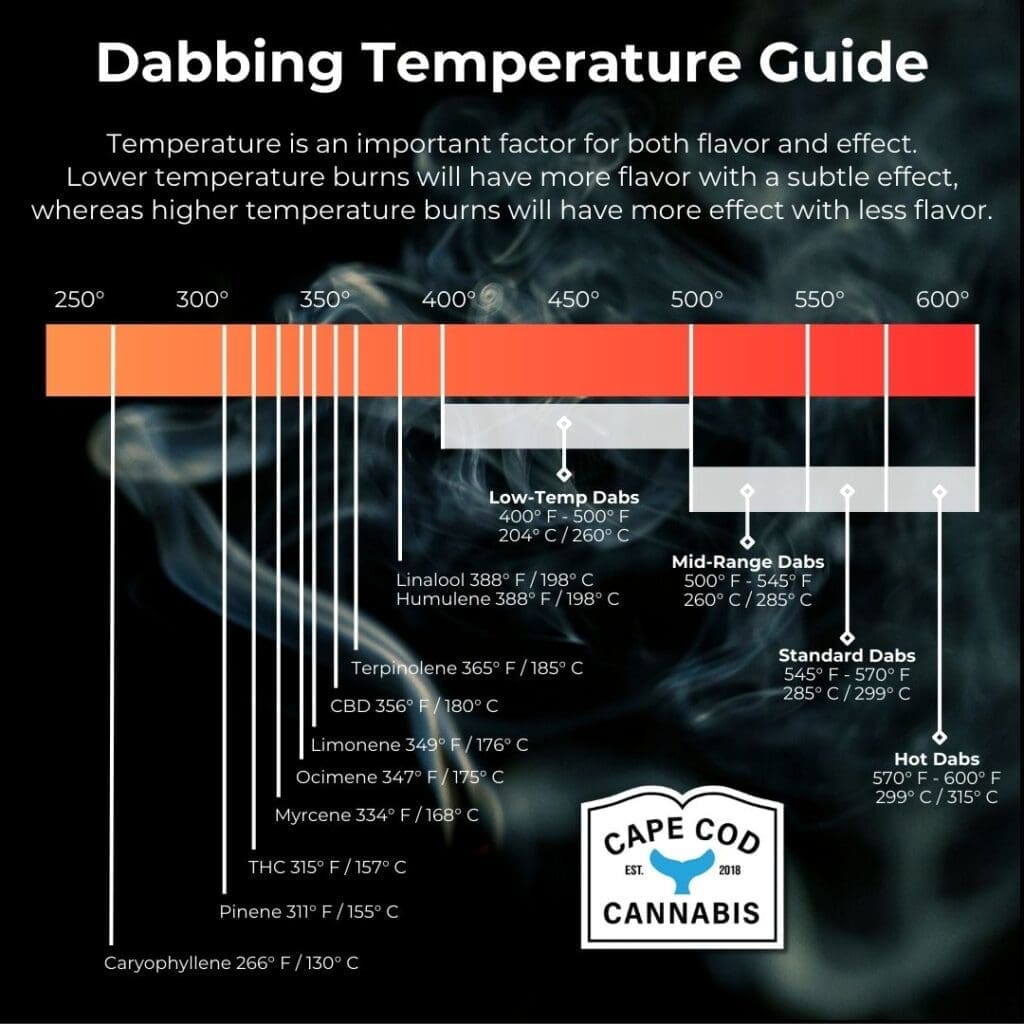
The old rules were wrong
For years, the common wisdom was to dab at temperatures between 450 and 700°F. You’ll still find this advice floating around online. But increasingly, experts are finding that these temperatures are simply too high for optimal terpene preservation. The problem isn’t just that terpenes degrade, it’s that they vaporize before the cannabinoids do, meaning you’re missing out on a significant portion of the concentrate’s potential.
We’re seeing a real shift in understanding. Research into the boiling points of individual terpenes reveals that many of the more volatile compounds start to break down well below 600°F. This isn’t about being overly precious; it’s about recognizing that dabbing is a nuanced process. Thinking about temperature as a spectrum, rather than a fixed point, is the first step towards a better dab.
The idea of just 'getting it hot' is outdated. A lot of this change came from better equipment becoming available – particularly e-nails with precise temperature control – and a growing emphasis on the overall quality of the experience, not just the potency.
Temperature tiers for 2026
Dabbing temperatures aren't one-size-fits-all. I use three main ranges depending on what I'm looking for: flavor, a balanced high, or pure potency. Use these as starting points for your own setup.
Low Temperature (525-575°F): This is where flavor really shines. You’ll preserve the most delicate terpenes, like Nerolidol and Caryophyllene, resulting in a smoother, more aromatic experience. Expect subtle effects – a gentle relaxation, a creative boost, or a calming sense of well-being. This range is ideal for concentrates with complex terpene profiles you want to fully appreciate.
Medium Temperature (575-625°F): This tier strikes a balance between flavor and potency. You’ll still capture a good amount of terpenes, including Humulene and Pinene, while activating more of the cannabinoids. The effects will be more noticeable – a comfortable euphoria, increased focus, or a mild body high. It's a great all-around range for everyday dabbing.
High Temperature (625-680°F): This is for those who prioritize potency. While you’ll sacrifice some of the more delicate terpenes, you’ll extract the maximum amount of cannabinoids. Expect strong effects – intense euphoria, deep relaxation, or significant pain relief. Be mindful that this range can also produce a harsher, more concentrated vapor. Linalool, while present, will be less prominent at these higher temps.
These ranges change depending on your nail material and the specific batch of wax. You'll have to play around with the settings to find what tastes best to you.
Dabbing Temperature Guidelines for Terpene Preservation - 2026
| Temperature Range (°F) | Primary Terpenes Present | Expected Effects | Recommended Concentrate Types |
|---|---|---|---|
| 350-400 | Myrcene, Limonene | Relaxing, mild euphoria, subtle citrus notes. Gentle body sensation. | Live Resin, Sauce, Sugar |
| 400-450 | Caryophyllene, Pinene | Balanced effects – calming yet uplifting, with a hint of spice and pine. Moderate body relaxation. | Live Resin, Sauce, Budder |
| 450-500 | Linalool, Humulene | Floral and woody aroma, promoting relaxation and stress relief. Noticeable but not overwhelming body effects. | Live Resin, Crumble, Batter |
| 500-550 | Terpinolene, Ocimene | Energetic and uplifting, with a fresh, herbal flavor profile. Cerebral effects are more prominent. | Shatter, Distillate (for flavor-focused experiences) |
| 550-600 | Guaiol, Bisabolol | Potent effects, often described as focused and creative. Woody and slightly sweet aroma. | Shatter, Rosin |
| 600+ | Dominant Terpenes will degrade | Strong psychoactive effects, diminished flavor. Not recommended for terpene preservation. | Distillate (THC focused), Isolates |
Illustrative comparison based on the article research brief. Verify current pricing, limits, and product details in the official docs before relying on it.
Terpene boiling points
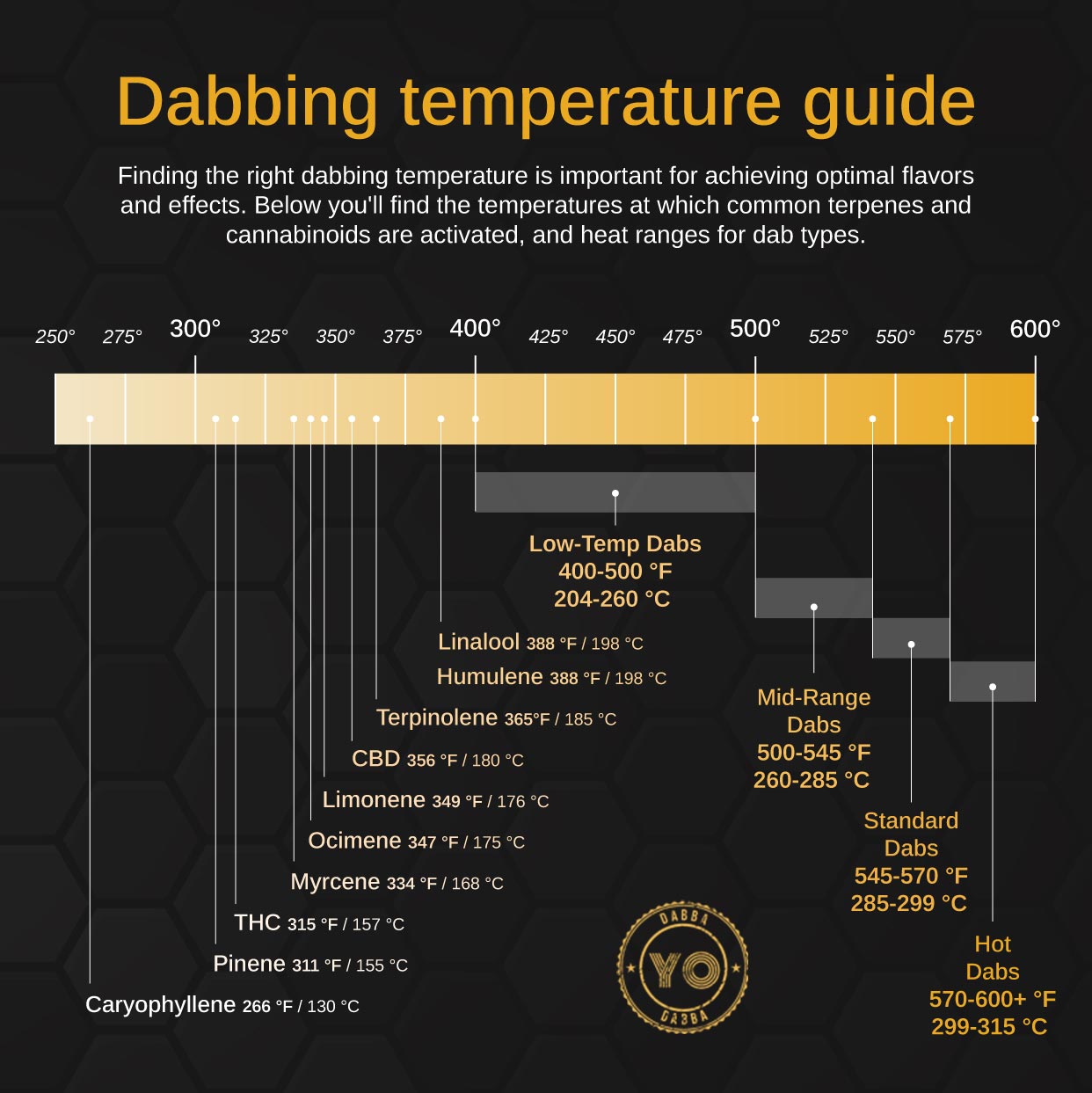
You don't need to memorize a chart of every terpene’s boiling point, but understanding the relative differences can help you make informed decisions about your dabbing temperature. Terpenes vaporize at different temperatures, and the more volatile ones will disappear quickly at higher heat. For example, Myrcene, with a boiling point around 330°F, is going to evaporate much sooner than Caryophyllene, which boils around 482°F.
Limonene (339°F) is another highly volatile terpene, so if you’re looking for that bright, citrusy flavor, you’ll want to dab at a lower temperature. Pinene (311°F) is also easily lost at higher temps. On the other hand, Bisabolol (265°F) is one of the most delicate and requires very low temperatures to preserve.
Here are a few more key terpenes and their approximate boiling points: Humulene (385°F), Linalool (388°F), Ocimene (293°F), and Terpinolene (392°F). Keeping these differences in mind will help you tailor your dabbing experience to maximize the flavor and effects you’re after. Remember that these are approximate, and other factors like air pressure can also play a role.
Nails and carb caps
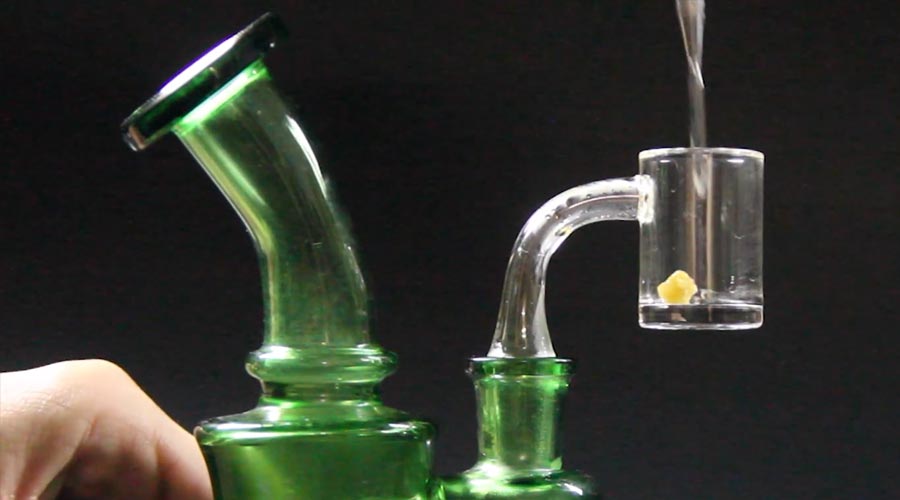
Your dabbing equipment plays a huge role in temperature control and terpene preservation. Different types of nails have different thermal properties. Quartz nails are popular because they heat evenly and retain heat well. However, they can be more difficult to clean, and residue buildup can affect the flavor. Titanium nails heat up quickly and are very durable, but they can also scorch concentrates if not used carefully.
Ceramic nails are a good option for low-temperature dabbing because they heat up slowly and provide a more consistent temperature. However, they’re also more fragile than quartz or titanium. The carb cap is equally important. A good carb cap will create a low-pressure environment, which lowers the vaporization temperature and preserves terpenes.
Directional airflow carb caps are particularly effective at maximizing flavor and minimizing waste. They help to evenly distribute heat and prevent terpenes from escaping. A simple dome cap will work, but it won’t provide the same level of control. The material of the carb cap also matters – quartz and ceramic are generally preferred over titanium.
Practical dabbing techniques
Achieving the optimal dabbing temperature takes practice. If you have an e-nail with precise temperature control, start with a low setting and gradually increase the heat until you find your sweet spot. Visual cues can also be helpful. Look for the concentrate to bubble and melt slowly, without scorching or burning. If it’s vaporizing instantly, the temperature is too high.
A good technique is to start with a low temperature and "burp" the nail – briefly remove the carb cap to release excess heat – before adding your concentrate. This helps to prevent scorching. You can also adjust the heat-up time of your nail to achieve the desired temperature. A longer heat-up time will result in a lower temperature.
Start at the low end of the range. If the vapor is too thin, bump the heat up 10 degrees at a time. It's a trade-off between taste and how hard the hit feels.
I've also found that a slower, more deliberate approach to dabbing – taking smaller dabs and savoring the flavor – can significantly enhance the experience. It’s not about chasing the biggest cloud; it’s about appreciating the nuances of the concentrate.
Fixing a burnt taste
A burnt taste is a common dabbing problem, and it’s usually a sign that the temperature is too high. But it can also be caused by other factors, such as too much concentrate, a dirty nail, or improper carb cap technique. If your dab tastes burnt, the first thing to do is lower the temperature. Try dropping it by 25-50°F and see if that makes a difference.
Make sure you’re not using too much concentrate. A small dab is often more effective than a large one, especially at lower temperatures. Also, ensure your nail is clean. Residue buildup can burn and create a harsh flavor. Regular cleaning is essential. And finally, double-check your carb cap technique. Make sure you’re creating a proper seal and directing the airflow correctly.
If it still tastes like singed hair, the concentrate itself might be the problem. Some extracts have leftover plant material or fats that burn at any usable temperature.
- Lower the temperature
- Use less concentrate
- Clean your nail
- Check carb cap technique
- Try a different concentrate

No comments yet. Be the first to share your thoughts!