

Daily Dabs: A Rising Trend?
Dabbing, the practice of vaporizing cannabis concentrates and inhaling the resulting vapor, has exploded in popularity over the past decade. What started as a niche activity is now mainstream, fueled by the pursuit of potent experiences and the innovation in extraction technologies. We’ve seen a significant shift away from traditional flower, with many users gravitating towards concentrates like wax, shatter, and budder.
The National Institute on Drug Abuse (NIDA) reported in 2025 that sales of cannabis concentrates increased by 74% between 2019 and 2024, outpacing the growth of traditional flower sales which rose by 28% in the same period. This suggests a clear preference for higher potency products. While precise 2026 data isn’t yet available, preliminary reports indicate this trend is continuing, with concentrates now accounting for over 40% of the total cannabis market.
This increasing accessibility and perceived potency are driving a rise in daily dabbers – individuals who consume cannabis concentrates multiple times per day. But as daily use becomes more commonplace, a critical question arises: what are the long-term consequences of this concentrated consumption? This isn’t about judging lifestyle choices, it’s about providing a clear-eyed look at what the latest research reveals about the potential side effects.
This article breaks down those side effects, exploring potential impacts on physical and mental health using emerging research, particularly findings from 2026 studies. It also examines how daily dabbing differs from other cannabis consumption methods.
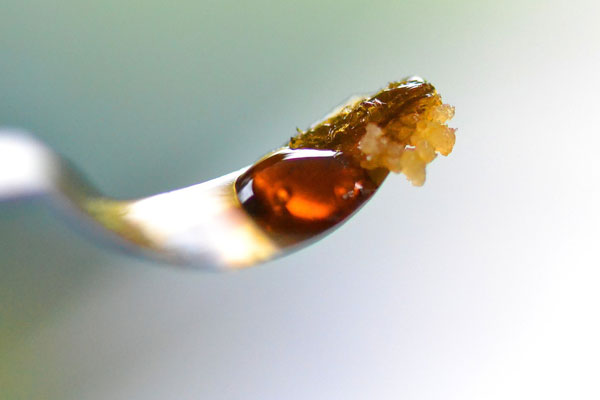
Short-Term Effects: Beyond the High
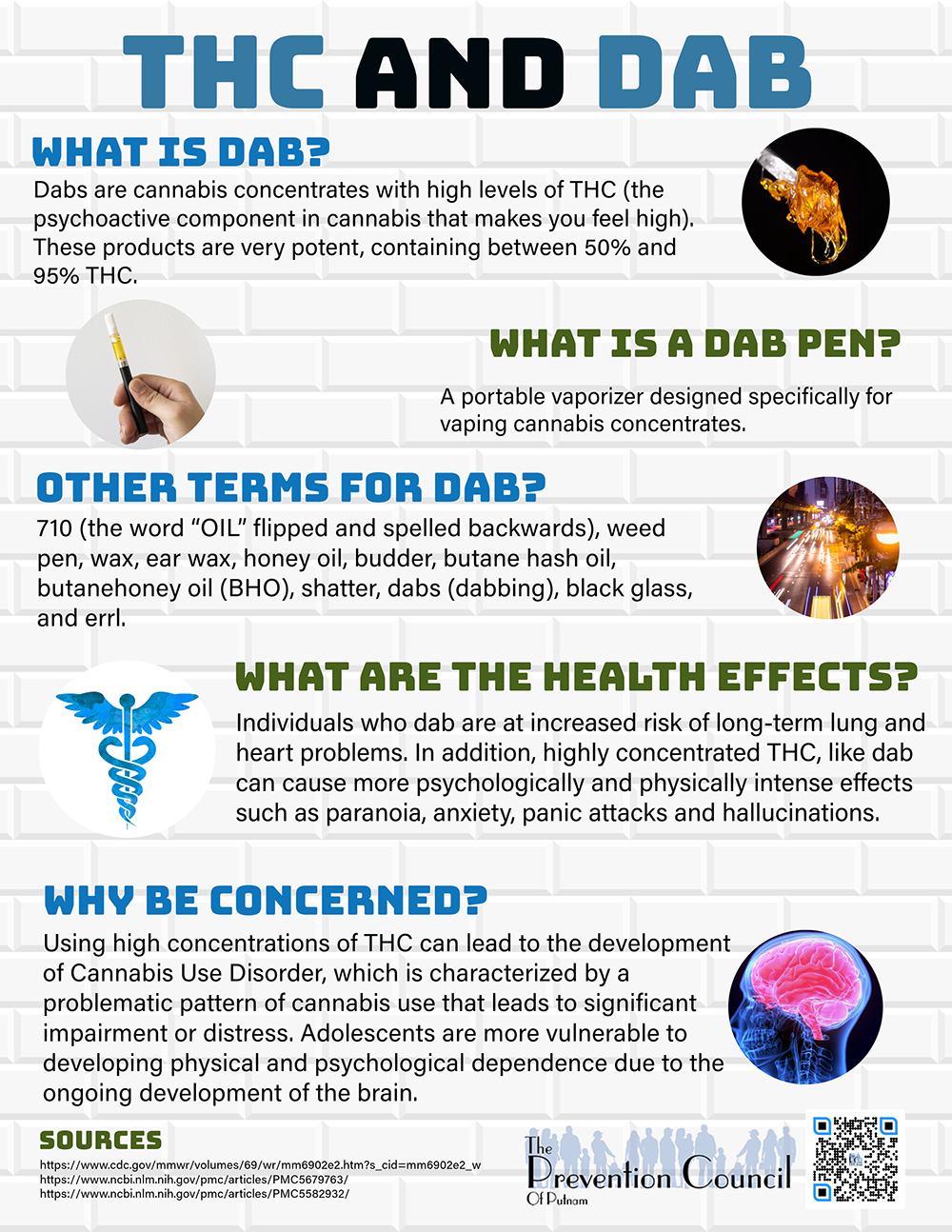
Dabbing causes a powerful euphoria, altered perception of time and space, and impaired coordination. These effects are more intense than those from traditional cannabis flower due to dabs typically containing a far higher concentration of THC – often exceeding 70%, compared to the 15-25% in flower.
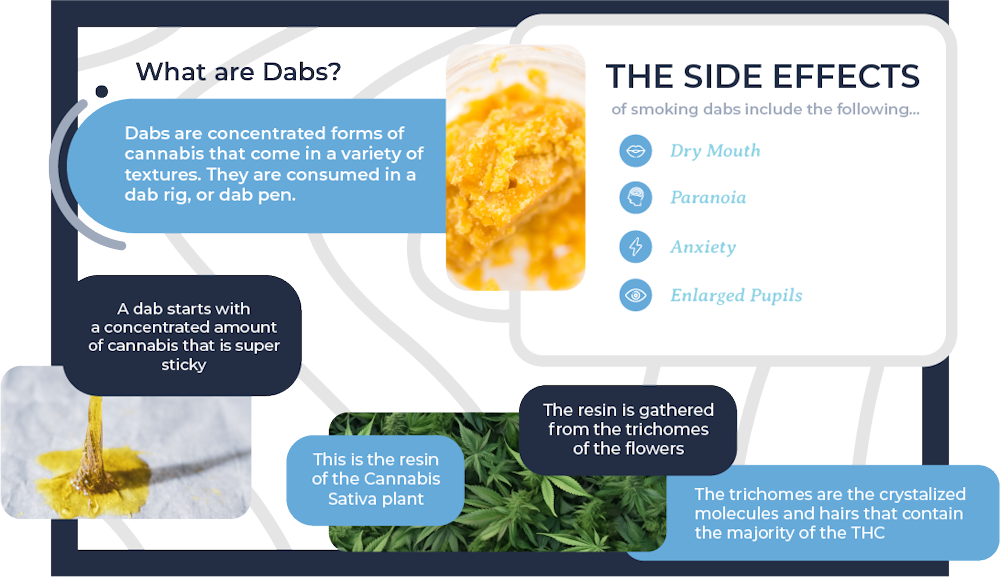
However, the short-term effects extend beyond the psychological. Dabbing causes a rapid increase in heart rate, sometimes spiking to levels that can be concerning, particularly for individuals with pre-existing cardiovascular conditions. Blood pressure can also fluctuate, and many users report experiencing anxiety or paranoia, even with relatively small doses. This is especially true for those with a predisposition to these conditions.
Intense nausea, vomiting, and debilitating anxiety, sometimes called "dabbing sickness," are increasingly reported. This likely results from the sheer volume of THC overwhelming the endocannabinoid system. Proper ventilation and hydration may help but aren't guaranteed fixes.
Dabs hit hard because THC is rapidly absorbed into the bloodstream through the lungs when dabbed, bypassing the slower metabolic process of ingestion. This results in a quicker, more intense, and shorter-lived high, a significant difference from smoking or eating cannabis and a major factor in increased adverse effects.
Tolerance and Dependence: The Daily User's Dilemma
Frequent, high-dose THC exposure from daily dabbing leads to tolerance. The endocannabinoid system adapts to constant stimulation by downregulating cannabinoid receptors, making the brain less sensitive to THC.
This downregulation means users need larger doses to achieve the same effect. What once felt potent becomes commonplace, leading to escalating consumption. This is a physiological response, not just a desire for a stronger high.
Beyond tolerance, daily dabbing can lead to psychological and potentially physical dependence. Psychological dependence involves strong cravings and unease when unable to use. While physical dependence is less established, research suggests chronic cannabis use can cause withdrawal symptoms.
Withdrawal symptoms, while generally not life-threatening, can be unpleasant, including irritability, sleep disturbances, decreased appetite, anxiety, and mild physical discomfort. A 2024 study in the Journal of Cannabis Research found about 30% of daily cannabis users experienced clinically significant withdrawal symptoms upon cessation, indicating the brain adapts to chronic THC exposure.
- Irritability
- Sleep disturbances
- Decreased appetite
- Anxiety
- Restlessness
Respiratory Risks: More Than Just Smoke
Dabbing involves inhaling vaporized cannabinoids, but it carries risks to the respiratory system. The high temperatures used can create harmful byproducts like aldehydes and ketones, which are known irritants.
Low-temperature dabbing is generally safer as it minimizes harmful compound formation. High-temperature dabbing, while producing more vapor, significantly increases the risk of inhaling irritants. Proper airflow and equipment are crucial.
Lipid pneumonia, where fatty substances accumulate in the lungs, is a concerning risk from vaping oils, especially those with additives like vitamin E acetate. The CDC issued a health advisory in 2019 regarding the EVALI outbreak, strongly linking vitamin E acetate to the condition.
Dabbing isn't definitively safer than smoking flower. Smoking exposes users to combustion byproducts, while dabbing exposes them to potentially harmful vaporized compounds. Long-term studies are lacking, but higher concentrations and rapid absorption with dabbing raise concerns about greater lung irritation and damage.
Dabbing vs. Smoking Flower - Respiratory Risks
| Risk Factor | Dabbing | Smoking Flower |
|---|---|---|
| Lung Irritation | Generally higher risk due to the high concentration of cannabinoids and terpenes, and the higher temperatures often used. This can lead to acute bronchitis symptoms. | Moderate risk, primarily from combustion byproducts. Severity depends on frequency and depth of inhalation. |
| Lipid Pneumonia | Potential risk, though still being studied. Involves the accumulation of lipids in the lungs, potentially linked to oils and lipids in some dabs. Research suggests a possible association with Vitamin E acetate used as a thickening agent in illicit products. | Very low risk. Not typically associated with traditional cannabis flower smoking. |
| Carcinogen Exposure | Exposure to harmful compounds is possible, though the source varies. Risks are associated with incomplete vaporization and the presence of residual solvents if concentrates are not properly produced. More research is needed to determine long-term effects. | Significant risk due to the combustion process, which produces numerous known carcinogens like polycyclic aromatic hydrocarbons (PAHs). |
| Airway Inflammation | Increased likelihood of airway inflammation due to the concentrated nature of the inhaled substance and the potential for higher temperatures. This can exacerbate existing respiratory conditions. | Moderate risk, dependent on frequency and depth of inhalation. Combustion irritates the airways. |
| Chronic Cough & Phlegm | Higher potential for developing a chronic cough and increased phlegm production due to irritation of the airways. The concentrated nature of dabs may worsen these symptoms. | Possible, especially with frequent and heavy use. The irritants in smoke can trigger cough and phlegm production. |
| Respiratory Bronchiolitis | Emerging research suggests a potential link between frequent dabbing and the development of respiratory bronchiolitis, an inflammatory condition affecting the small airways of the lungs. | Less commonly associated, but can occur with chronic smoking of any substance. |
Illustrative comparison based on the article research brief. Verify current pricing, limits, and product details in the official docs before relying on it.
Cognitive Impacts: Memory and Mental Health
Chronic, high-potency THC exposure from daily dabbing can significantly affect cognitive function, particularly memory. THC interferes with memory consolidation, making it harder to learn and retain new information, especially with frequent, high-dose use.
Memory impairments may persist beyond intoxication. Some studies indicate long-term, heavy cannabis use can lead to persistent deficits in verbal memory and other cognitive domains, a particular concern for developing adolescent brains.
Dabbing can exacerbate existing mental health conditions like anxiety or depression. There's a link between early cannabis use and increased risk of psychosis, including schizophrenia. NIDA-funded research shows a dose-response relationship: higher potency and frequency of use correlate with greater risk.
While correlation doesn't equal causation, individuals with a genetic predisposition to psychosis may be more vulnerable to THC's effects. Chronic dabbing can also impact attention span, decision-making, and executive function. The potential for cognitive impairment is a serious concern.
Cardiovascular Concerns: A Growing Area of Study
Dabbing, like other cannabis consumption, increases heart rate and blood pressure in the short term, posing risks for individuals with pre-existing heart conditions. Its long-term cardiovascular effects are an emerging area of study.
Some research suggests chronic cannabis use may increase the risk of heart attack, stroke, and other cardiovascular diseases, though evidence is preliminary and a definitive link is not yet established.
undefined a 30% increase in the risk of myocardial infarction (heart attack) in a cohort of over 5,000 participants. While this study doesn’t prove causation, it highlights the potential for cardiovascular harm. The researchers theorize that THC's effects on blood vessel function and inflammation may contribute to this risk.
The relatively recent surge in popularity of high-potency concentrates like those used in dabbing makes it difficult to assess long-term cardiovascular effects. Most existing research focuses on traditional cannabis use. More dedicated studies are needed to understand the specific risks associated with daily dabbing.
2026 Research: Emerging Trends and Unknowns
The latest research from 2026 continues to reinforce the concerns surrounding daily dabbing. One key finding is the identification of specific biomarkers associated with chronic, high-potency THC exposure. Researchers at the University of Colorado have identified a unique lipid profile in the blood of daily dabbers, suggesting a potential link to long-term cardiovascular dysfunction.
Another emerging trend is the growing recognition of the importance of individual variability. Factors like genetics, age, and pre-existing health conditions all play a role in determining how an individual responds to THC. This highlights the need for personalized approaches to cannabis use and harm reduction.
Despite these advances, significant gaps in our knowledge remain. Long-term studies tracking the health outcomes of daily dabbers are still lacking, largely due to legal restrictions and the evolving nature of cannabis products. It’s difficult to establish definitive causality when the landscape is constantly changing.
Several ongoing clinical trials are attempting to address these knowledge gaps. One study, funded by the National Institutes of Health, is investigating the effects of chronic dabbing on brain structure and function using advanced neuroimaging techniques. The results are expected to provide valuable insights into the long-term cognitive consequences of high-potency THC exposure.
Mitigating Risks: Harm Reduction Strategies
If you choose to dab, prioritizing harm reduction is essential. Start with low doses and gradually increase as needed – remember, the potency of concentrates is significantly higher than flower. Source your concentrates from reputable dispensaries that provide third-party lab testing results to verify potency and purity.
Avoid dabbing on an empty stomach, as this can exacerbate anxiety and nausea. Ensure proper ventilation to minimize exposure to potentially harmful vapors. Use appropriate dabbing equipment, including a high-quality dab rig and a reliable temperature control device.
Consider alternative consumption methods with potentially lower risks, such as edibles or tinctures. These methods typically result in slower absorption and a less intense high. Microdosing – consuming very small doses – can also help minimize adverse effects.
It's important to remember that these are harm reduction strategies, not endorsements of dabbing. If you are experiencing any adverse effects, such as anxiety, paranoia, or respiratory problems, stop dabbing and seek medical attention. Understanding the risks and taking steps to mitigate them is crucial for protecting your health.


No comments yet. Be the first to share your thoughts!