

Potency and the brain
I recently spoke with a friend, a seasoned cannabis user, who tried a dab of a new 'diamond' concentrate. He ended up spending the next few hours convinced his apartment was bugged and grappling with a level of anxiety he hadn't experienced in years. It’s a stark reminder that what we’re dealing with now isn’t your grandfather’s cannabis.
The potency of cannabis concentrates has skyrocketed in recent years. We’ve gone from hashish – typically containing around 20% THC – to shatter and wax averaging 50-80%, and now to these incredibly potent "diamonds" that routinely test above 90%, with some exceeding 99% THC. This isn't a gradual creep; it's an exponential increase.
This surge in potency is driven by advances in extraction technology, like closed-loop systems and solventless extraction methods. These techniques allow producers to isolate and concentrate cannabinoids with unprecedented efficiency. Simultaneously, market demand for the most powerful products fuels the race to higher THC percentages. Consumers often equate potency with quality, which isn’t necessarily true.
The brain reacts very differently to these hyper-concentrated doses. The sheer number of cannabinoids flooding the CB1 receptors can overwhelm the system, leading to a range of effects. It's not simply a matter of 'getting higher'; it's about potentially disrupting normal neurological processes. We’re still understanding the long-term consequences, but the need for caution is clear.
Immediate effects
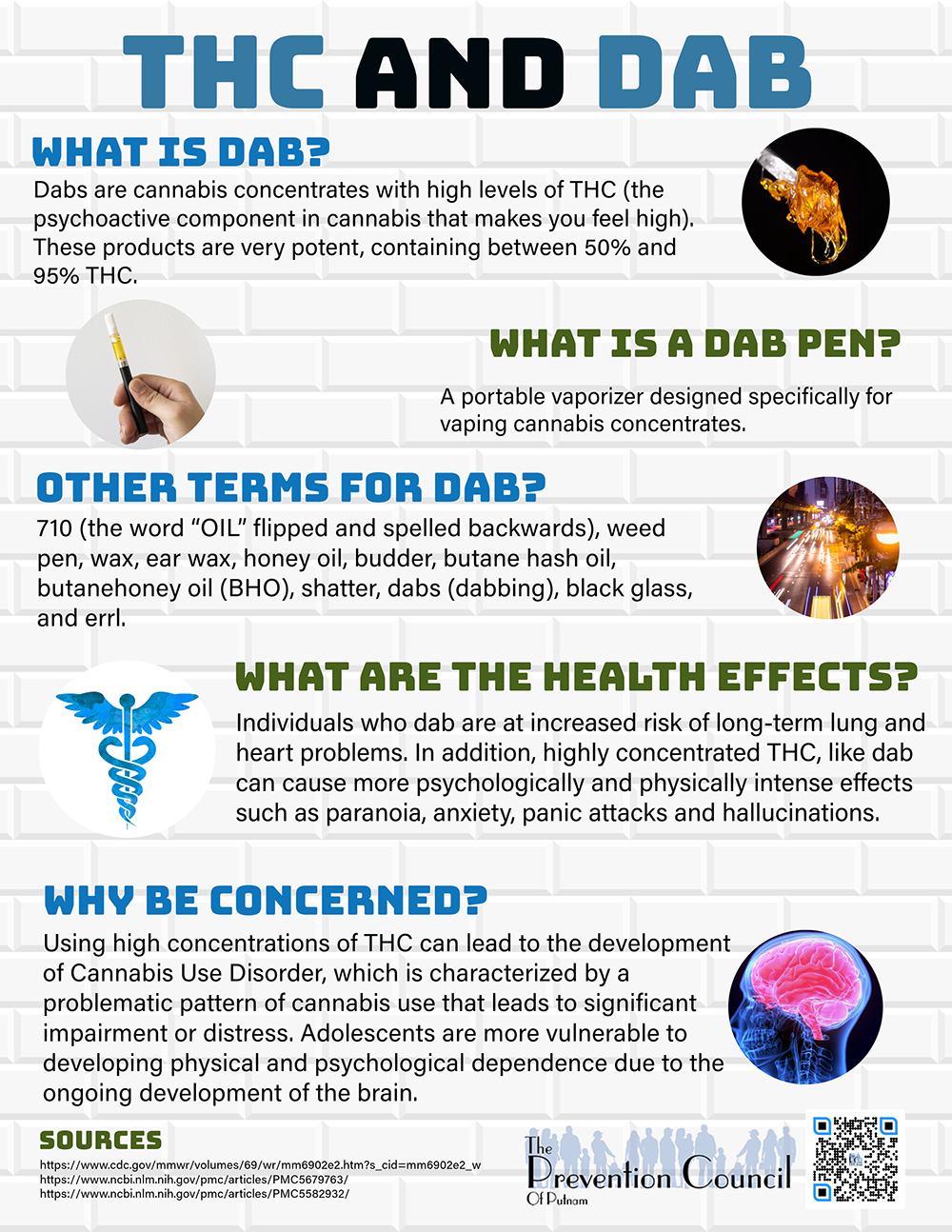
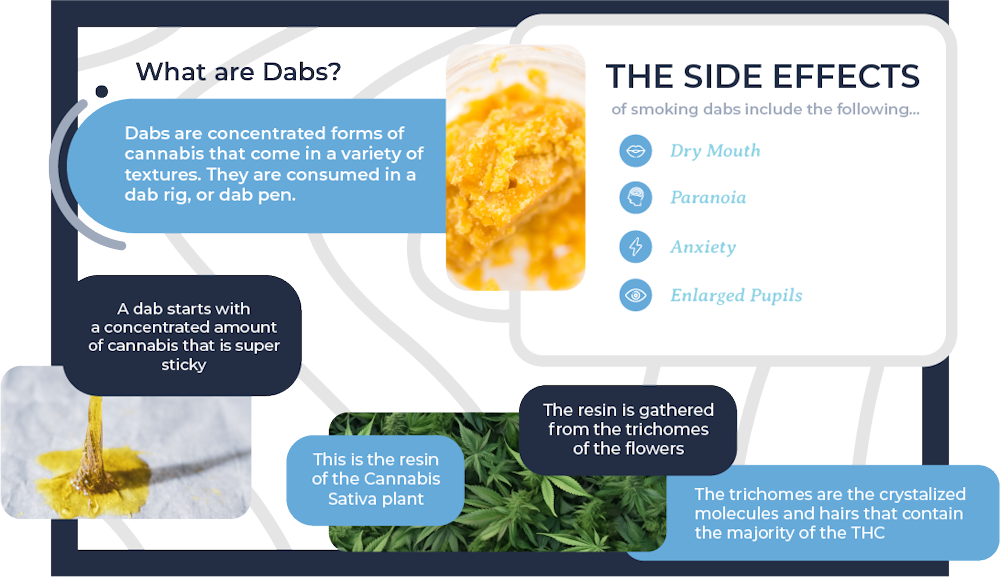
The immediate effects of dabbing high-potency concentrates can be intense and, for some, deeply unpleasant. Common reports include overwhelming anxiety, paranoia, and even full-blown panic attacks. These aren’t just psychological effects; they’re rooted in how THC interacts with the brain.
The Centers for Disease Control (CDC) notes that high THC levels can exacerbate existing mental health conditions and trigger acute psychotic episodes in vulnerable individuals. The National Institute on Drug Abuse (NIDA) explains that THC’s primary action is to overstimulate the CB1 receptors in the brain, particularly in areas responsible for mood, cognition, and coordination.
This overstimulation leads to a surge in dopamine release, creating a feeling of euphoria in some, but also contributing to anxiety and paranoia in others. Increased heart rate, nausea, and vomiting are also frequently reported, due to the disruption of the autonomic nervous system. Temporary cognitive impairment – difficulty with memory, attention, and decision-making – is practically guaranteed.
Individual sensitivity varies. A dose that feels fine for one person can be overwhelming for another based on weight, metabolism, and experience. When dealing with 90% THC, dosage is the only thing that matters.
- Anxiety and paranoia caused by overstimulated CB1 receptors.
- Increased heart rate from autonomic nervous system disruption.
- Nausea & Vomiting: Common physical side effects.
- Cognitive Impairment: Difficulty with memory and focus.
Long-term risks
Research into the long-term effects of high-potency concentrate use is still in its early stages, but emerging data is raising concerns. A 2026 study published in Addictive Behaviors found a correlation between heavy concentrate use in adolescence and reduced cortical thickness in brain regions associated with executive function.
This is particularly worrying because the adolescent brain is still developing, making it more vulnerable to the potentially damaging effects of high THC exposure. The study didn't prove causation, but it adds to a growing body of evidence suggesting that early and frequent concentrate use could have lasting cognitive consequences.
The link between heavy cannabis use – particularly high-potency forms – and mental health conditions like psychosis and schizophrenia is also being investigated. Several studies have shown a higher incidence of these conditions among individuals with a history of frequent, high-dose cannabis use. Again, establishing a direct causal relationship is difficult, but the association is concerning.
Another emerging issue is Cannabinoid Hyperemesis Syndrome (CHS). This condition is characterized by severe nausea, vomiting, and abdominal pain, and it’s increasingly linked to high-potency cannabis use. While the exact mechanism isn’t fully understood, it appears that frequent, high-dose exposure can disrupt the endocannabinoid system, leading to these debilitating symptoms. Breaking the cycle often requires complete cessation of cannabis use.
Current research has limits. Most studies rely on self-reported data, and it is hard to isolate cannabis use from other lifestyle factors in long-term tracking.
Tolerance and dependence
Frequent dabbing quickly leads to tolerance. The body adapts to the constant influx of cannabinoids, requiring increasingly higher doses to achieve the same effects. This escalation cycle is a major concern, as it drives users to consume even more potent concentrates, further increasing their risk of adverse effects.
A phenomenon known as 'dabbing amnesia' further complicates matters. The intense high from a large dab can impair memory formation, making it difficult for users to accurately recall how much they’ve consumed. This can lead to accidental overdoses and prolonged periods of impairment.
While physiological dependence on cannabinoids isn’t as well-established as with opioids or alcohol, psychological dependence is a real concern. Users may become reliant on dabbing to cope with stress, anxiety, or other emotional challenges. The act of dabbing itself can become a habitual behavior, difficult to break even when the user wants to stop.
Reducing or stopping concentrate use can be challenging, even for experienced users. Withdrawal symptoms, such as irritability, anxiety, sleep disturbances, and decreased appetite, are common. These symptoms aren’t typically life-threatening, but they can be uncomfortable and discouraging, making it difficult to maintain abstinence.
Assess Your Dabbing Habits: Are You Consuming Safely?
High-potency dabs can deliver a powerful experience, but understanding the potential side effects and your own consumption patterns is crucial for responsible use. This short quiz will help you assess your dabbing habits and identify areas where you might benefit from adjusting your approach. Your results are for informational purposes only and are not a substitute for professional medical advice.
Vaping and lung health
The 2019 EVALI outbreak was mostly linked to vitamin E acetate, but that isn't the only risk. Inhaling any heated concentrate carries baggage.
Even in the absence of vitamin E acetate, inhaling heated lipids and other compounds found in concentrates can cause lung damage over time. The long-term effects of these exposures are still being studied, but preliminary research suggests a potential for chronic inflammation and impaired lung function.
The vaporization method also plays a role. High-temperature vaping produces more harmful byproducts than low-temperature vaping. While low-temp dabs may preserve more of the concentrate’s flavor and aroma, they also risk leaving residual lipids in the atomizer, which can build up over time and pose a health hazard.
I'm not suggesting vaping is inherently safe, but understanding the nuances of different methods and the potential for harm beyond vitamin E acetate is essential. The type of device used, the temperature settings, and the quality of the concentrate all contribute to the overall risk.
Practical harm reduction
Minimizing the risks associated with dabbing requires a commitment to harm reduction. This starts with dosage. Begin with the smallest possible dab – a 'rice grain' size – and wait a full 15-20 minutes to assess the effects before considering another dab. It’s always better to underdo it than to overdo it.
Source your concentrates from reputable dispensaries that test their products for potency and contaminants. Avoid black market products, as they may contain harmful additives or residual solvents. Proper storage is also important. Keep concentrates in a secure location, out of reach of children and pets.
Vaporize at lower temperatures to reduce the formation of harmful byproducts. Stay hydrated by drinking plenty of water before, during, and after dabbing. Avoid mixing dabs with other substances, such as alcohol or opioids, as this can significantly increase the risk of adverse effects.
Perhaps most importantly, have a sober companion present when you dab. A trusted friend can help you monitor your effects and provide assistance if needed. Listen to your body and know your limits. If you start to feel anxious, paranoid, or unwell, stop dabbing immediately.


No comments yet. Be the first to share your thoughts!