

Dabs vs. Traditional Cannabis: A 2026 Look
A 2026 study offers a new look at the health impacts of cannabis concentrates, or dabs. Before this, research on dabbing often relied on studies of traditional cannabis flower. As concentrates like wax, shatter, and budder have grown in popularity, a direct comparison was needed. This study does just that, comparing the side effects of dabbing with smoking traditional cannabis.
Dabbing has moved from a niche practice to mainstream, fueled by the desire for higher potency and new ways to consume cannabis. This shift means we need to re-evaluate the risks. Our previous understanding, based on flower, doesn't fully apply to concentrates. The experience is different with THC levels that are much higher.
Our understanding of cannabis effects is still developing. While this 2026 study is a significant step, it doesn't answer every question. Legal restrictions and individual differences in how cannabis affects people complicate research. The study's methods tried to address these complexities, but limitations remain. The aim here is to present the findings objectively and point to areas needing more study.
The study followed regular cannabis users, splitting them into two groups: primary dab users and primary traditional cannabis smokers. Researchers monitored health markers like respiratory and cardiovascular function, cognitive performance, and psychological well-being. The results are nuanced and raise questions about the long-term effects of high-potency cannabis.
Concentrate Potency & THC Levels
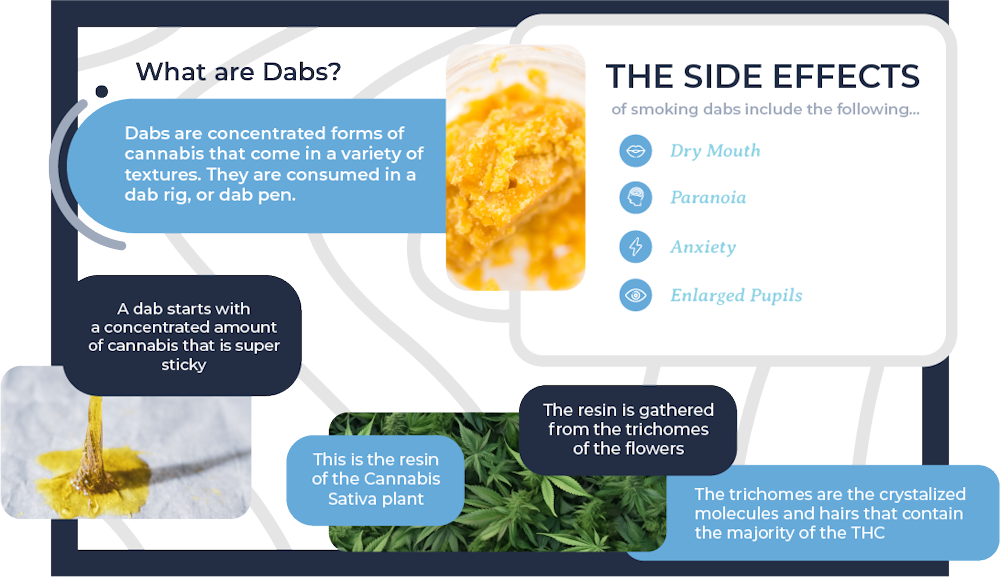
A key difference between dabs and traditional cannabis is THC content. Data from Riverside San Bernardino County Indian Health, Inc. shows wax concentrates can contain 82% to 99.7% THC. This is significantly higher than the average THC levels in cannabis flower.
Traditional cannabis flower usually has 15% to 25% THC, depending on strain, growing conditions, and processing. Some strains test around 10% THC, while others bred for potency can reach over 30%. These are averages, and products vary. This variability contrasts with the more consistent potency of concentrates.
This potency difference significantly impacts the user experience. A single hit of wax, according to the IHS report, delivers a much larger THC dose than the same amount of cannabis flower. This can result in more intense psychoactive effects and a higher risk of adverse reactions. Dabbing also provides a quicker, more concentrated high that can be overwhelming for some.
The study confirmed this subjective experience with objective data. Dab users showed significantly higher blood THC levels than flower smokers, even when frequency of use was controlled. This shows how important it is to understand product potency and adjust dosage. It's not a one-size-fits-all situation.
Respiratory Effects: A Closer Examination
The 2026 study examined the respiratory effects of dabbing and traditional cannabis smoking. Both methods irritated the lungs, but in different ways. Traditional smoking introduces combustion byproducts, while dabbing vaporizes concentrates using heated devices.
Dab users were more likely to report immediate upper respiratory irritation, like coughing and wheezing. The high heat from vaporization likely damages lung tissues. Long-term effects are more complex. The National Institute on Drug Abuse notes that concentrates' high cannabinoid levels and delivery method affect absorption.
A concerning finding was related to lipid pneumonia, where fat accumulates in the lungs. This has been linked to vaping oils with vitamin E acetate, an additive in some illicit concentrates. While the study didn't prove a direct link, it found more lipid pneumonia among dab users who used unregulated products. Buying concentrates from reputable sources is important.
Heating method mattered. E-nails, offering precise temperature control, were linked to fewer respiratory symptoms than traditional torch and nail setups. The type of concentrate (shatter, wax, budder) didn't significantly affect respiratory outcomes, suggesting the vaporization process itself causes irritation. Researchers cautioned they couldn't fully isolate the effects of different additives or carrier oils.
- Increased coughing and wheezing immediately after use among dab users.
- Higher incidence of upper respiratory irritation compared to flower smokers.
- Potential link between unregulated concentrates and lipid pneumonia.
- E-nails associated with fewer respiratory symptoms than traditional torches.
Comparative Respiratory Risks: Dabbing vs. Traditional Cannabis Consumption (Based on 2026 Study Findings)
| Consumption Method | Risk Level | Specific Respiratory Risks | Mitigation Strategies |
|---|---|---|---|
| Dabbing (High-Potency Oils) | Moderate to High | Potential for lipid pneumonia (with some oil types), thermal decomposition product exposure depending on nail temperature, airway irritation. | Use a quality e-nail with precise temperature control, choose oils from reputable sources, avoid excessively high nail temperatures. |
| Dabbing (Lower-Potency Oils) | Moderate | Airway irritation, potential for exposure to residual solvents (depending on extraction method). | Source oils from reputable manufacturers employing safe extraction processes, maintain moderate nail temperatures. |
| Joint/Blunt (Traditional Paper) | Moderate | Exposure to combustion byproducts (tar, carcinogens), potential for chronic bronchitis. | Use natural, unbleached papers, consume in moderation, consider using filters. |
| Joint/Blunt (Flavored/Processed Papers) | Higher | Increased exposure to combustion byproducts *and* additives/chemicals from flavored or processed papers. | Avoid flavored or chemically treated papers, prioritize natural options. |
| Vaporizing Flower (Low Temperature) | Low to Moderate | Potential for minor airway irritation, exposure to cannabinoids and terpenes. | Maintain lower temperature settings to minimize decomposition products, ensure proper device maintenance. |
| Vaporizing Flower (High Temperature) | Moderate | Increased risk of exposure to decomposition products, potential for irritation. | Utilize lower temperature settings when possible, prioritize devices with precise temperature control. |
| Dabbing (Ceramic/Quartz Nails) | Moderate | Potential for thermal decomposition of cannabinoids at very high temperatures, airway irritation. | Use temperature control devices, avoid excessively high temperatures. |
| Dabbing (Titanium Nails) | Moderate to High | Potential for metal fume fever if overheated, thermal decomposition of cannabinoids. | Exercise extreme caution with temperature control, prioritize ceramic or quartz options. |
Qualitative comparison based on the article research brief. Confirm current product details in the official docs before making implementation choices.
Cardiovascular & Cognitive Impacts
The study also looked at cardiovascular and cognitive effects of dabbing versus traditional cannabis use. Because concentrates have higher THC, researchers expected dab users to have stronger short-term effects on heart rate, blood pressure, and cognition. The data mostly supported this.
Dab users had a greater increase in heart rate and blood pressure for hours after use compared to flower smokers. These effects were temporary, returning to normal within hours, but could be concerning for those with existing heart conditions. The study found no significant long-term cardiovascular damage in either group but noted that long-term effects are still unknown.
Cognitively, dab users showed greater impairment in short-term memory, attention, and reaction time. These effects were temporary but more noticeable than in flower smokers. The study used standardized cognitive tests to measure impairment, which makes sense given the larger THC dose from dabs.
Interestingly, the study also explored the relationship between cannabis consumption and anxiety or paranoia. Dab users reported a higher incidence of these negative psychological effects, particularly those with lower tolerance or pre-existing anxiety disorders. This suggests that the intense high associated with dabbing can be overwhelming for some individuals, leading to unpleasant experiences. It is important to note that the study did not explore whether the type of terpene profile in the concentrates impacted these effects.
Psychological Dependence & Mental Health
One of the most sensitive areas of the study focused on the potential for psychological dependence and the link between high-potency cannabis and mental health conditions. The researchers were careful to emphasize that correlation does not equal causation, but the data revealed some concerning trends.
The study found that dab users were more likely to exhibit signs of cannabis use disorder, characterized by compulsive use, withdrawal symptoms, and impaired control over consumption. This wasn’t entirely surprising, given the addictive potential of THC and the higher potency of dabs. However, the study also explored potential underlying factors, such as pre-existing mental health conditions.
Individuals with a history of anxiety, depression, or psychosis were found to be at a higher risk of developing cannabis use disorder, regardless of their mode of consumption. However, the risk was significantly elevated among those who primarily used dabs. This suggests that the high THC levels in concentrates may exacerbate pre-existing vulnerabilities. The study did not find an increase in new diagnoses of psychosis, but it did find a higher rate of worsening symptoms in individuals already diagnosed.
It’s crucial to avoid sensationalizing these findings. The study did not prove that dabbing causes mental health problems. Rather, it identified a correlation between high-potency cannabis use and increased risk in vulnerable populations. More research is needed to fully understand the complex interplay between cannabis, mental health, and individual susceptibility. I think responsible reporting on this topic is paramount.
The Role of Terpenes: A Missing Piece?
While the 2026 study provided valuable insights into the effects of THC, it largely overlooked the potential role of terpenes. Terpenes are aromatic compounds found in cannabis that contribute to its unique flavor and aroma, but they also have pharmacological effects of their own. They are believed to modulate the effects of THC, potentially mitigating some of its negative side effects.
Many cannabis concentrates are produced using methods that strip away a significant portion of the terpene content. This results in a product that is almost exclusively THC, lacking the complexity and potential therapeutic benefits of whole-plant cannabis. The study did not systematically analyze terpene profiles in the concentrates used by participants, which is a significant limitation.
The 'entourage effect,' the synergistic interaction between cannabinoids and terpenes, is a growing area of research. Some studies suggest that terpenes can reduce anxiety, promote relaxation, and even protect against neurotoxicity. It’s plausible that the lack of terpenes in some concentrates contributes to the increased incidence of anxiety and paranoia observed among dab users. It's a theory, but a compelling one.
I’m not sure if the study addressed this directly, but it’s a critical area for future research. Understanding how terpenes interact with THC and other cannabinoids is essential for developing a more complete picture of the health effects of cannabis. Consumers should also be aware of the potential benefits of terpene-rich concentrates or consider supplementing their dabbing with terpenes.
Long-Term Effects & Future Research
The 2026 study represents a major step forward in our understanding of dabs, but it also highlights the many unanswered questions that remain. The study’s conclusions regarding long-term health effects were largely inconclusive, due to the relatively short duration of the study. Long-term follow-up studies are needed to assess the potential for chronic respiratory problems, cardiovascular disease, and cognitive decline.
One of the biggest challenges facing cannabis research is the legal status of the plant. Federal restrictions make it difficult to conduct large-scale, randomized controlled trials. Another challenge is self-reporting bias. Participants may not accurately recall or report their cannabis use, which can skew the results. The study attempted to mitigate this by using multiple data collection methods, but some degree of bias is unavoidable.
Future research should focus on several key areas. First, we need a better understanding of the effects of different terpenes and their interactions with THC. Second, we need to investigate the long-term health effects of dabbing, including the potential for cancer and other chronic diseases. Third, we need to explore the impact of different consumption methods, such as nail temperature and concentrate consistency.
As new concentrates and consumption methods continue to emerge, ongoing research is essential. The cannabis landscape is constantly evolving, and we must stay ahead of the curve to ensure that consumers have access to accurate information and can make informed decisions. The study’s authors emphasized the need for continued investment in cannabis research, as well as the development of evidence-based guidelines for safe cannabis use.
Featured Products

35000 RPM brushless motor for powerful performance · High torque for efficient operation · Quiet and vibration-free for a comfortable experience
While not directly related to cannabis consumption, this professional-grade nail drill highlights the importance of precision tools in specialized fields, analogous to the careful handling and preparation required for dabbing concentrates.

Measures temperatures up to 302°F · 8-inch long stem for easy insertion · Traceable and calibratable for accuracy
Accurate temperature control is crucial when consuming concentrates to ensure optimal vaporization and avoid combustion, as highlighted by research into dabbing practices.
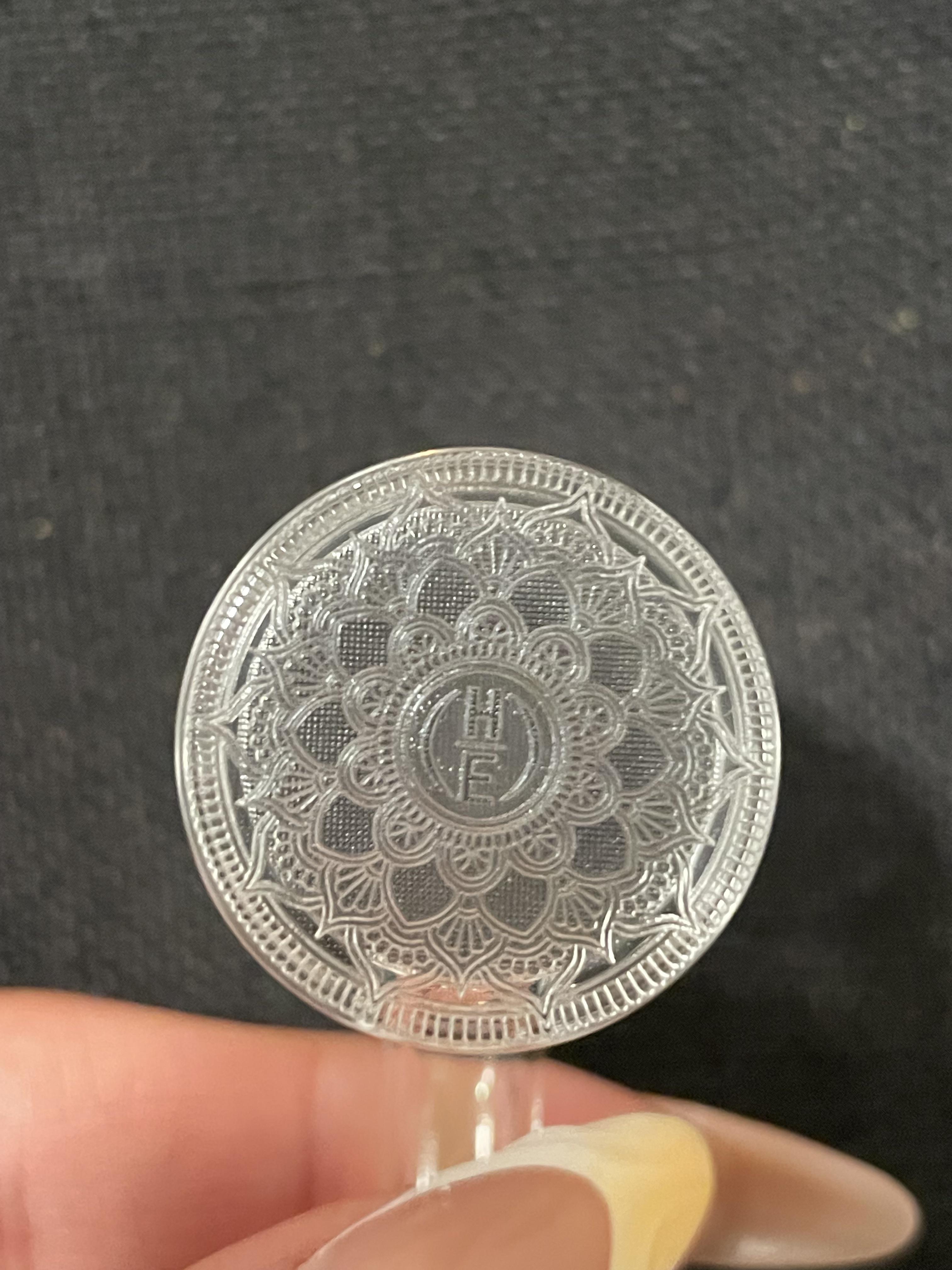
Made from high-quality quartz for durability and heat retention · Designed for optimal vaporization of concentrates · Ensures clean flavor profiles
A high-quality quartz banger is essential for achieving the correct temperature and a smooth dabbing experience, directly impacting the quality of vapor and potential side effects.

Includes 5 non-stick silicone jars (26 ml each) · Comes with a 5-inch wax mat pad and carving tool · Hexagon design for stability
These silicone containers and tools are ideal for storing and handling concentrates safely and cleanly, minimizing waste and ensuring product integrity.

Heat-resistant silicone material · Non-stick surface · Protects surfaces from heat and spills
This heat-resistant mat provides a safe and clean surface for dabbing, protecting your environment and ensuring a stable platform for concentrate handling.
As an Amazon Associate I earn from qualifying purchases. Prices may vary.
Mitigating Risks: A Harm Reduction Approach
For those who choose to dab, a harm reduction approach is essential. This means taking steps to minimize the potential risks associated with concentrate consumption. Start by sourcing your concentrates from reputable dispensaries that conduct third-party testing to ensure product safety and potency. Avoid products from unregulated markets, as these may contain harmful contaminants.
Begin with a very low dose, especially if you are new to dabbing. A small 'dab' – the size of a grain of rice – is often sufficient to produce a significant effect. Start low and go slow, waiting several minutes to assess the effects before consuming more. Be mindful of your nail temperature; lower temperatures (around 400-500°F) produce smoother vapor and reduce the risk of irritation.
Consider using an e-nail, which allows for more precise temperature control. Avoid using harsh or abrasive materials for your dabbing surface. Stay hydrated and consume food before dabbing to help mitigate some of the negative effects. Most importantly, consult with a healthcare professional if you have any concerns about your cannabis use or your health.
Ultimately, the safest approach is to abstain from cannabis altogether. However, if you choose to dab, do so responsibly and be mindful of the potential risks. Information is power, and making informed decisions is the best way to protect your health.


No comments yet. Be the first to share your thoughts!