
The Rise of Low-Temp Dabbing
Dabbing has come a long way. Remember the early days? It felt like a competition to see who could take the biggest hit, with a focus on pure potency above all else. We called it the 'scorched earth' approach, and honestly, a lot of flavor was lost in the process. Now, things are shifting. Cold start dabbing, a technique centered around lower temperatures, is gaining serious traction within the cannabis community.
This isn’t just a trend; it’s a fundamental change in how people are experiencing concentrates. The focus is moving away from simply getting incredibly high and toward nuanced flavor profiles and more controlled effects. People are starting to appreciate the subtleties within cannabis concentrates – the different terpenes, the unique cannabinoid combinations – and low-temp dabbing allows those characteristics to shine.
The evolution is driven by a desire for refinement. A few years ago, you’d be hard-pressed to find a dedicated discussion on optimal vaporization temperatures. Now, it’s a cornerstone of the concentrate conversation. It’s about respecting the plant and extracting the most from it, not just maximizing THC intake. It's a more thoughtful way to consume, and it's rapidly becoming the preferred method for many seasoned dabbers.
Why Heat Matters: Cannabinoid Boiling Points
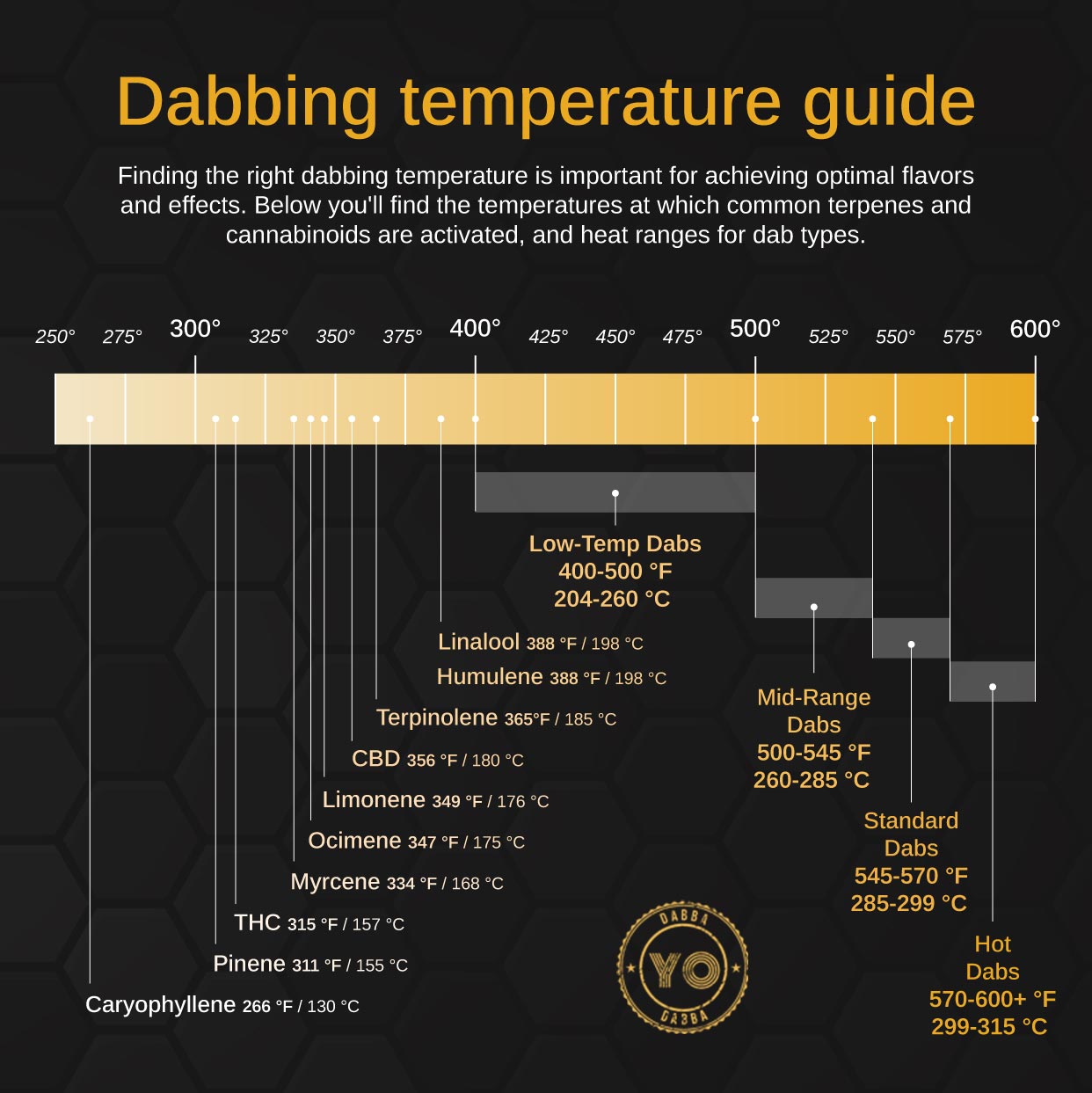
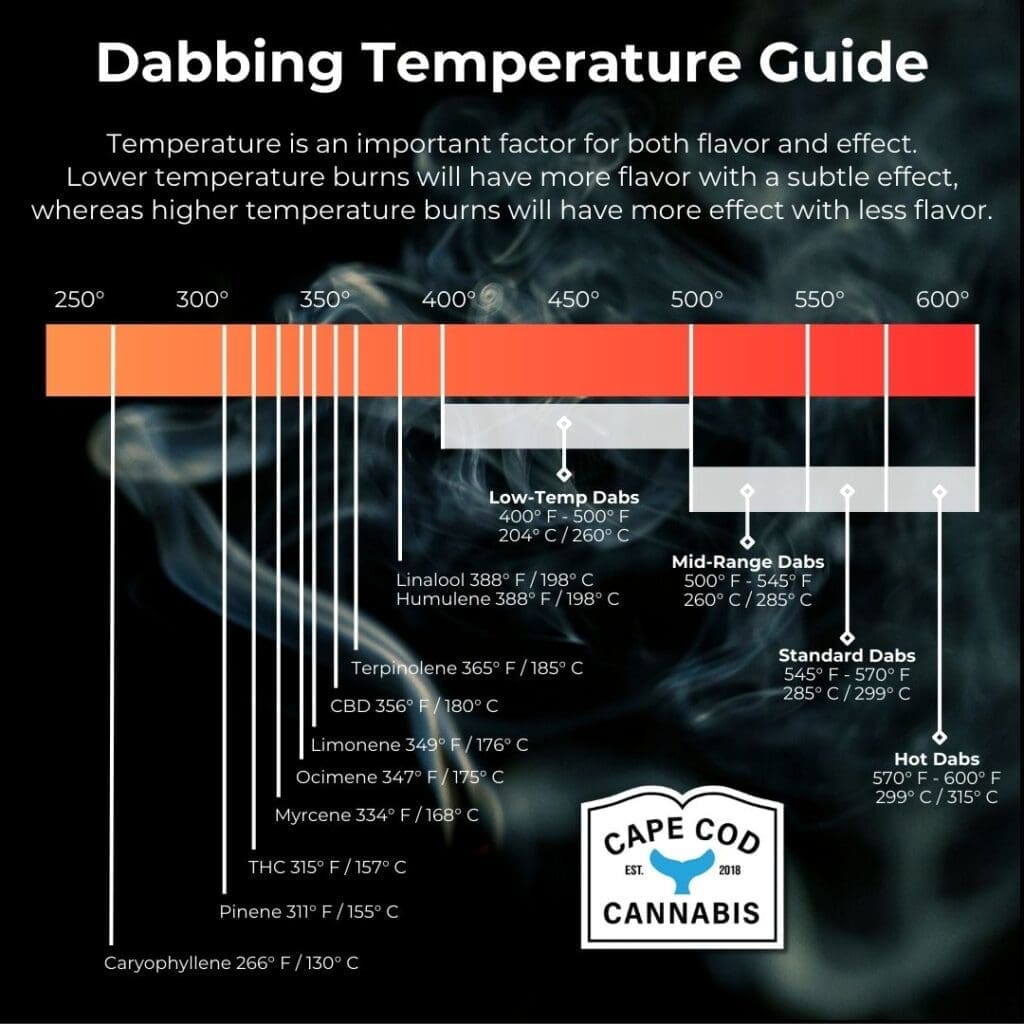
To understand why cold start dabbing is so effective, you need to know a little bit about the science behind vaporization. Different cannabinoids and terpenes have different boiling points – the temperature at which they transition from a solid or liquid into a vapor. Applying too much heat destroys these more delicate compounds, resulting in a less flavorful and potentially less effective experience.
THC, the primary psychoactive compound in cannabis, has a boiling point of around 157°C (315°F). CBD boils at a higher temperature, around 160-180°C (320-356°F). But it’s the terpenes that are particularly vulnerable. Many terpenes vaporize at temperatures well below THC, often in the range of 80-150°C (176-302°F). This is where the flavor and aroma of cannabis truly come from, and it's also where many of the therapeutic benefits reside.
Dr. Dabber emphasizes the importance of controlling temperature for optimal vaporization. They highlight that excessive heat doesn’t just destroy terpenes; it can also degrade THC into CBN, a cannabinoid with a more sedative effect. The goal with cold start dabbing isn’t to avoid heat entirely, but to carefully manage it to preserve the full spectrum of compounds in your concentrate.
- THC: 157°C (315°F)
- CBD: 160-180°C (320-356°F)
- Myrcene: 166-168°C (331-334°F) - Relaxing, sedative effects
- Limonene: 177°C (351°F) - Mood elevation, stress relief
- Pinene: 156°C (313°F) - Alertness, memory retention
Cannabinoid & Terpene Boiling Points and General Effects at Lower Temperatures
| Compound | Boiling Point (°C) | Boiling Point (°F) | General Effect Profile |
|---|---|---|---|
| THC (Tetrahydrocannabinol) | 157 | 315 | Euphoric, Uplifting, Psychoactive |
| CBD (Cannabidiol) | 160-180 | 320-356 | Relaxing, Anti-inflammatory, Non-Psychoactive |
| CBN (Cannabinol) | 220 | 428 | Sedating, Relaxing, Pain Relief |
| Myrcene | 166-168 | 331-334 | Relaxing, Sedating, Muscle Relaxant |
| Limonene | 176 | 349 | Uplifting, Mood Enhancing, Stress Relief |
| Caryophyllene | 119 | 246 | Anti-inflammatory, Pain Relief, Stress Relief |
| Linalool | 198 | 388 | Calming, Relaxing, Anxiolytic |
| Pinene | 156 | 313 | Alertness, Memory Retention, Bronchodilator |
Illustrative comparison based on the article research brief. Verify current pricing, limits, and product details in the official docs before relying on it.
Cold Start: The Technique Explained
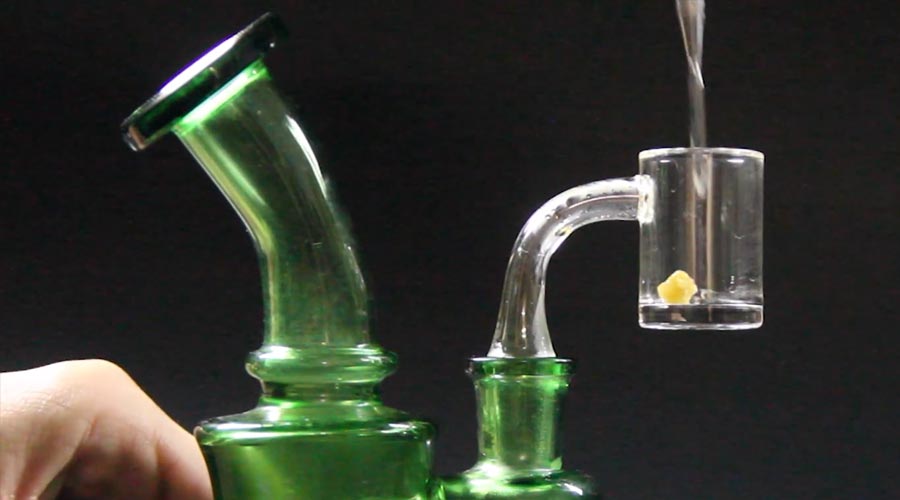
Okay, let's get into the how-to. Cold start dabbing, at its core, is about patience and control. You're starting with a completely cold banger or nail – no preheating whatsoever. This is the biggest departure from traditional dabbing methods. Then, you apply a very small amount of concentrate, often referred to as a 'rice grain' or even smaller.
The key is to slowly introduce heat. Apply a quick, controlled burst from your torch, aiming to heat the banger evenly. Don't linger. The goal isn’t to reach a scorching temperature, but to gently warm the surface. Watch for the concentrate to start bubbling and vaporizing. This is where carb capping comes into play. Immediately place your carb cap on the banger to regulate airflow and lower the temperature.
Airflow control is crucial. The carb cap restricts airflow, trapping heat and allowing the concentrate to vaporize at a lower temperature. Move the cap slightly to create a vortex, ensuring even vaporization. Common mistakes include applying too much concentrate initially, overheating the banger, and neglecting the carb cap. Start small, be patient, and observe how the concentrate reacts to the heat. It takes practice, but the results are worth it.
Don’t be discouraged if you don’t get a massive cloud right away. Low-temp dabs are about quality over quantity. You should be aiming for flavorful, smooth vapor, not a huge, harsh hit. If you're not getting vapor, try a very slightly longer burst with the torch, but always err on the side of caution.
Gear for the Low-Temp Dabber
You don't need the most expensive setup to cold start dab effectively, but having the right tools can make a significant difference. Banger material is a good place to start. Quartz is generally preferred for low-temp dabbing because it retains heat less aggressively than titanium, providing more control. Titanium can work, but requires even more finesse.
Carb cap selection is also important. Directional carb caps are excellent for manipulating airflow and creating a vortex, while bubble caps provide more even heat distribution. Experiment with both to see which you prefer. Domeless nails can also be effective, as they allow for greater airflow and temperature control, but they require a bit more practice.
As for torches, you don’t need a super powerful one. A standard butane torch will work just fine, but look for one with precise flame control. Errly Bird offers a curated selection of rigs and accessories designed to enhance your dabbing experience, and we're always happy to help you find the right setup for your needs. The focus should be on control, not brute force.
Troubleshooting Common Issues
Cold start dabbing has a learning curve. One common issue is difficulty getting vapor at low temperatures. If this happens, try a slightly longer burst with the torch, but be cautious. Another problem is 'chazzing' – when the banger develops a black, oily residue. This is usually caused by overheating or using low-quality concentrates. Clean your banger regularly with isopropyl alcohol to prevent chazzing.
Inconsistent hits are also frustrating. This could be due to uneven heating, improper carb cap technique, or variations in concentrate consistency. Pay attention to how you're applying heat and how you're manipulating the carb cap. Ensure you’re getting consistent airflow. If your concentrate isn't properly vaporizing, it could be too cold – again, try a slightly longer torch burst.
Remember, practice makes perfect. Don’t get discouraged if your first few attempts aren’t ideal. Cold start dabbing requires patience and attention to detail. Start with a very small amount of concentrate and gradually adjust your technique until you find what works best for your setup and your preferences.
Flavor Profiles and Terpene Preservation
The benefits of low-temp dabbing extend far beyond just preserving cannabinoids. The real magic happens with the terpenes. By avoiding excessive heat, you unlock the full spectrum of flavor and aroma that cannabis has to offer. This isn’t just about a more enjoyable experience; it’s about accessing the unique therapeutic effects of different terpenes.
Myrcene, for example, is known for its relaxing and sedative properties. Limonene is uplifting and mood-enhancing. Pinene promotes alertness and memory retention. These terpenes work synergistically with cannabinoids to create a more nuanced and effective experience. When you burn off terpenes with high-heat dabbing, you’re losing out on these potential benefits.
Think of it like brewing coffee. You wouldn’t boil the water to a rolling boil to extract the most delicate flavors, would you? The same principle applies to cannabis concentrates. Low-temp dabbing is about extracting the full potential of the plant in a gentle and controlled manner, maximizing both flavor and effect.
Beyond the Basics: Advanced Techniques
Once you’ve mastered the basics of cold start dabbing, you can start experimenting with more advanced techniques. Temperature layering involves gradually increasing the heat during the dab, starting very low and slowly building up to a slightly higher temperature. This can help to vaporize different compounds at different stages.
Different carb cap styles can also be used to fine-tune your experience. Spin caps create a more intense vortex, while directional caps allow for greater control over airflow. Experimenting with different banger materials can also yield interesting results. This is all about dialing in your setup to perfectly match your concentrate and preferences.
These techniques are best left to experienced dabbers who have a solid understanding of the fundamentals. Don’t be afraid to experiment, but always start with small adjustments and pay close attention to how the concentrate reacts.
Is Low-Temp Dabbing Right For You?
Cold start dabbing isn’t necessarily better than high-temp dabbing, it’s just different. High-temp dabs still have their place, particularly for those seeking a more immediate and intense experience. They deliver a strong, fast-acting high, but often at the expense of flavor and nuance.
Low-temp dabbing, on the other hand, offers a more refined and flavorful experience with a more controlled and potentially more therapeutic effect. It requires more patience and attention to detail, but the rewards are well worth the effort. Ultimately, the best method is the one that you enjoy the most.
I encourage you to experiment and find what works best for you. Start small, be patient, and don’t be afraid to try different techniques. The world of cannabis concentrates is vast and complex, and there’s always something new to discover. The most important thing is to enjoy the journey.
What is your preferred dabbing temperature style?
Cold start dabbing and low-temp techniques are gaining serious momentum in 2026. We want to hear from the Errly Bird community — how do you prefer to take your dabs? Your answer helps us tailor future content on dabbing methods, concentrate preservation, and flavor optimization. Vote below!

No comments yet. Be the first to share your thoughts!