

The Rise of Crystalline Cannabis: A New Standard?
Cannabis concentrates have exploded in recent years. Hash and bubble hash were once the peak of potency. Then came wax, shatter, and budder, each representing a step up in extraction technology and potency. Now, crystalline concentrates like diamond dabs and sand dabs are emerging, signaling more than just another new product.
This shift is about greater purity and a more defined understanding of what consumers want from their concentrates. Consumers demand more control over their experience, including knowing exactly what they consume. Demand for highly potent, clearly defined products pushes extractors to refine methods and focus on isolating specific cannabinoids.
The evolution of concentrates hasn't been linear. Early wax often contained residual plant matter and solvents, and shatter could be unstable and prone to breaking. Diamonds and sand represent a focus on near-absolute cannabinoid isolation. This isolation isn't just about higher THC numbers; it's about a more consistent and predictable effect. Increased focus on lab testing and transparency also drives this change.
Many initially saw these crystalline concentrates as a luxury item, but prices have become more accessible as production techniques improved. A well-made diamond or sand dab is now a realistic option for many experienced cannabis users, and the pressure to deliver quality is increasing.
Diamond Dabs: Purity and Potency Defined
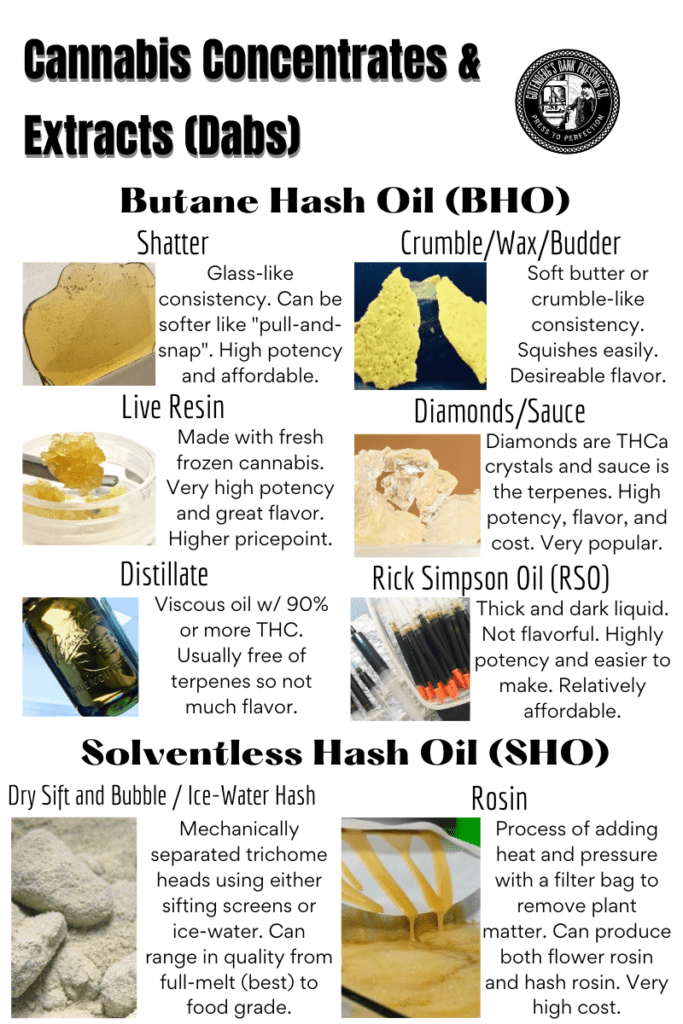
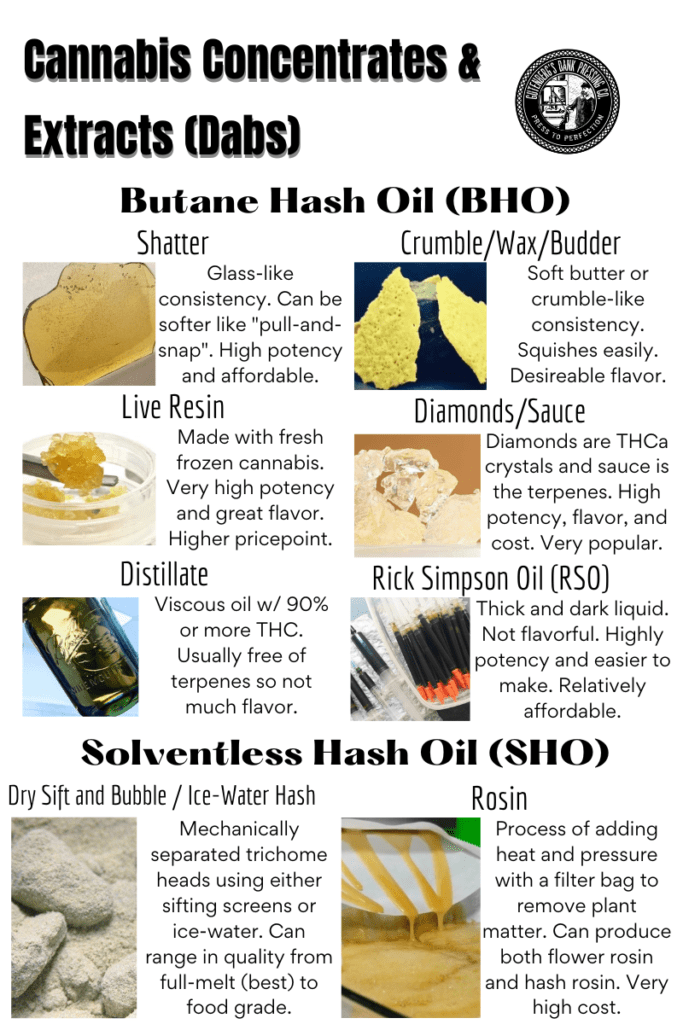
Diamond dabs, or THC diamonds, are known for their exceptional purity. The process starts with creating cannabis oil, typically using butane or propane as a solvent. This oil undergoes a lengthy crystallization process, often taking weeks or months. This meticulous process requires precise control of temperature and pressure.
The goal is to allow THC-A to slowly precipitate out of the oil, forming large, crystalline structures. This is similar to growing rock candy, requiring a supersaturated solution and time for crystal formation. Proper purging of residual solvents is critical during this stage. Remaining solvent can compromise the flavor, safety, and quality of the final product.
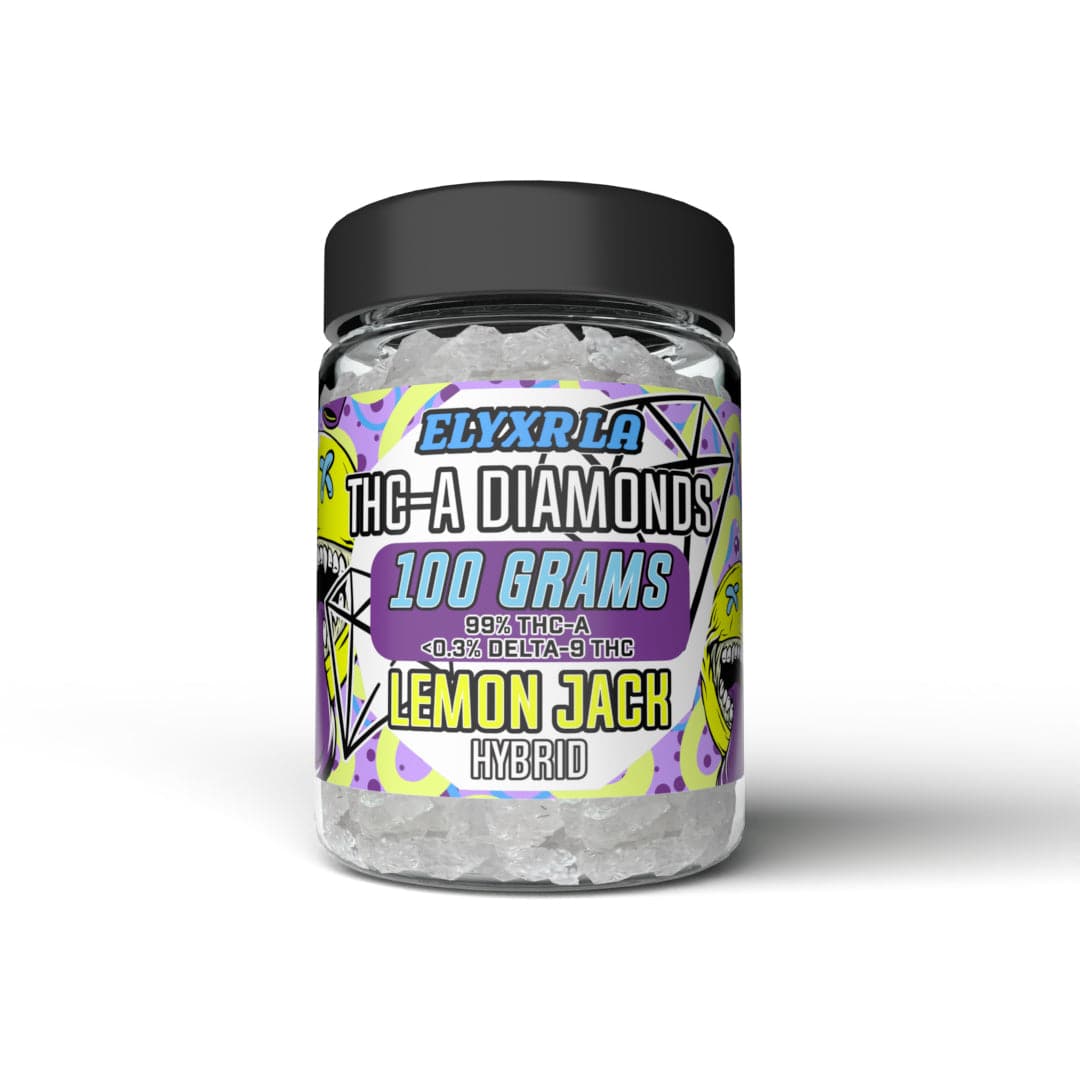
Diamonds are potent because they're composed of almost pure THC-A, the non-psychoactive precursor to THC. When heated, THC-A converts to THC, delivering a powerful, focused high. Diamonds aren’t necessarily "better" than other concentrates; they are simply different. The manufacturing process concentrates THC-A to an extreme degree.
Different grades of diamonds exist, often categorized by "runs’. First run diamonds come from the initial solvent extraction and generally have the highest purity. Second and third runs re-crystallize the remaining oil, resulting in smaller, less potent diamonds. The quality of starting material and the extractor"s skill significantly impact the final product. Some second runs rival first runs; it comes down to the process.
The extraction process is complex. Extractors must carefully control solvent ratios, temperature, and pressure for optimal crystallization. A skilled extractor manipulates the crystallization process to create diamonds of different sizes and shapes. Some producers experiment with 'sauce' – diamonds suspended in terpene-rich oil, offering a balance of potency and flavor.
Sand Dabs: The Speed and Flavor Trade-Off
Sand dabs, or THCA sand, are created using a similar process to diamonds, with key differences. The crystallization process is typically faster, often involving agitation or different solvent ratios to encourage smaller crystal formation. This results in a fine, granular consistency resembling sand.
This texture significantly impacts vaporization. Sand dabs vaporize more quickly than diamonds due to increased This can lead to a more intense, but potentially harsher, experience. There’s also a higher risk of burning if you’re not careful with your temperature control. It’s a faster hit, for sure, but it requires more finesse.
I wouldn't say sand dabs are 'lower quality' than diamonds. They’re simply made differently, and that difference affects the experience. The faster crystallization process can sometimes result in a slightly less pure product, but the difference is often negligible, especially with skilled extractors.
A major advantage of sand dabs is their potential for terpene preservation. The faster processing can minimize terpene degradation, resulting in a more flavorful dab. However, this isn’t always the case, as terpene loss can occur at any stage of the extraction process. It's all about the extractor's technique and attention to detail.
Terpene Profiles: Where Sand Dabs Often Shine
Terpenes are aromatic compounds found in cannabis that contribute to its flavor and effects. They’re responsible for the distinct smells of different strains – the citrusy aroma of Lemon Haze, the piney scent of OG Kush, for example. Beyond aroma, terpenes also interact with cannabinoids to modulate the overall experience, contributing to effects like relaxation, focus, or creativity.
The production method can significantly impact terpene retention. The long crystallization process used for diamonds can sometimes lead to terpene loss, as these volatile compounds can evaporate over time. Sand dabs, with their faster processing, can sometimes retain more of the original plant’s terpene profile. That said, this isn’t a hard and fast rule.
Savvy diamond producers are now actively addressing this issue through techniques like terpene washing and reintroduction. This involves isolating terpenes from the original plant material and adding them back into the diamond sauce after crystallization. It’s a way to combine the purity of diamonds with the rich flavor and effects of a full-spectrum extract.
Common terpenes found in concentrates include myrcene (often associated with relaxation), limonene (uplifting and citrusy), and pinene (alertness and piney aroma). The specific terpene profile will vary depending on the strain used to create the concentrate. Understanding these terpenes can help you choose concentrates that deliver the effects you’re looking for.
Diamond Dabs vs. Sand Dabs: Quality Comparison – 2026
| Characteristic | Diamond Dabs | Sand Dabs |
|---|---|---|
| Terpene Retention | Medium | High |
| Flavor Complexity | Medium | Medium |
| Potency | High | Medium |
| Crystallization | Large, Defined Crystals | Fine, Sandy Texture |
| Ease of Handling | Medium | High |
| Production Method | Typically requires longer solvent purge times | Often produced with faster solvent purge times |
| Visual Appearance | Gem-like, transparent crystals | Resembles fine beach sand |
| Price | Medium to High | Medium |
Illustrative comparison based on the article research brief. Verify current pricing, limits, and product details in the official docs before relying on it.
Assessing Concentrate Quality: Beyond Just the Look
Judging the quality of a cannabis concentrate goes beyond just looking at it. While visual cues can be helpful, they’re not the whole story. Color, clarity, and the presence of lipids (fats) can all provide clues, but they can also be misleading. A light-colored concentrate generally indicates higher purity, but color can be manipulated.
A proper purge is essential. Residual solvents can leave a harsh taste and pose health risks. A well-purged concentrate will shatter cleanly when broken, rather than bending or being oily. The consistency should also be stable – it shouldn't crumble or degrade quickly.
The most reliable way to assess concentrate quality is through third-party lab testing. Look for a Certificate of Analysis (COA) that details the cannabinoid content (THCA, THC, CBD), terpene profile, and the presence of any contaminants. Pay attention to the levels of residual solvents, pesticides, and heavy metals.
Desirable THCA percentages typically range from 70% to 99%, depending on the concentrate type. Be wary of concentrates with suspiciously high THCA percentages, as these may be inaccurate or indicate the presence of additives. A good COA will also list the testing methodology used and the date of analysis.
Sourcing from reputable vendors is crucial. Look for brands that are transparent about their extraction processes and consistently provide COAs for their products. Don’t be afraid to ask questions and do your research. A trusted dispensary or online retailer can be a good starting point.
Dabbing Safety: A Reminder for High-Potency Concentrates
It’s essential to remember that diamond dabs and sand dabs are extremely potent. Their high THC content can deliver a powerful and overwhelming experience, especially for inexperienced users. Always start with a very small dose – a rice-grain-sized dab is a good starting point – and go slow.
Proper dabbing technique is also important to avoid burns. Use a quality dab rig with a properly heated nail or banger. Avoid directly touching the hot surface with the concentrate. Low-temperature dabbing is generally recommended to preserve terpenes and minimize harshness.
Be aware of the potential side effects of high-THC consumption, such as anxiety, paranoia, dizziness, and increased heart rate. If you start to feel uncomfortable, stop dabbing and find a safe place to relax. Hydrate well and have a snack on hand.
Using unregulated or untested products carries significant risks. You could be consuming harmful contaminants, such as residual solvents or pesticides. Always purchase concentrates from licensed and reputable sources. Temperature control is also a key factor in a safe and enjoyable dabbing experience.
The Future of Concentrates: Beyond Diamonds and Sand
The world of cannabis concentrates is constantly evolving. We’re seeing a surge in popularity of solventless extraction methods, such as live rosin and ice water hash, which offer a cleaner and more natural alternative to solvent-based concentrates. These methods are gaining traction with consumers who prioritize purity and sustainability.
Live resin, made from freshly harvested cannabis, is also becoming increasingly popular. It’s known for its vibrant terpene profiles and full-spectrum effects. I think we’ll see a lot more innovation in this area, with extractors finding new ways to preserve the plant’s natural chemistry.
There’s also growing interest in minor cannabinoids, such as CBG and CBN, and their inclusion in concentrates. These cannabinoids offer unique effects that complement THC, providing a more nuanced and personalized experience. The potential for customized concentrates, tailored to individual needs and preferences, is very exciting.
Ultimately, the future of concentrates is about choice and control. Consumers want to be able to select products that deliver the specific effects they’re looking for, and extractors are responding by developing increasingly refined and innovative extraction techniques. It’s a dynamic and rapidly changing landscape, and I’m eager to see what the next few years will bring.

No comments yet. Be the first to share your thoughts!