

Diamonds & Sand: A Visual Breakdown
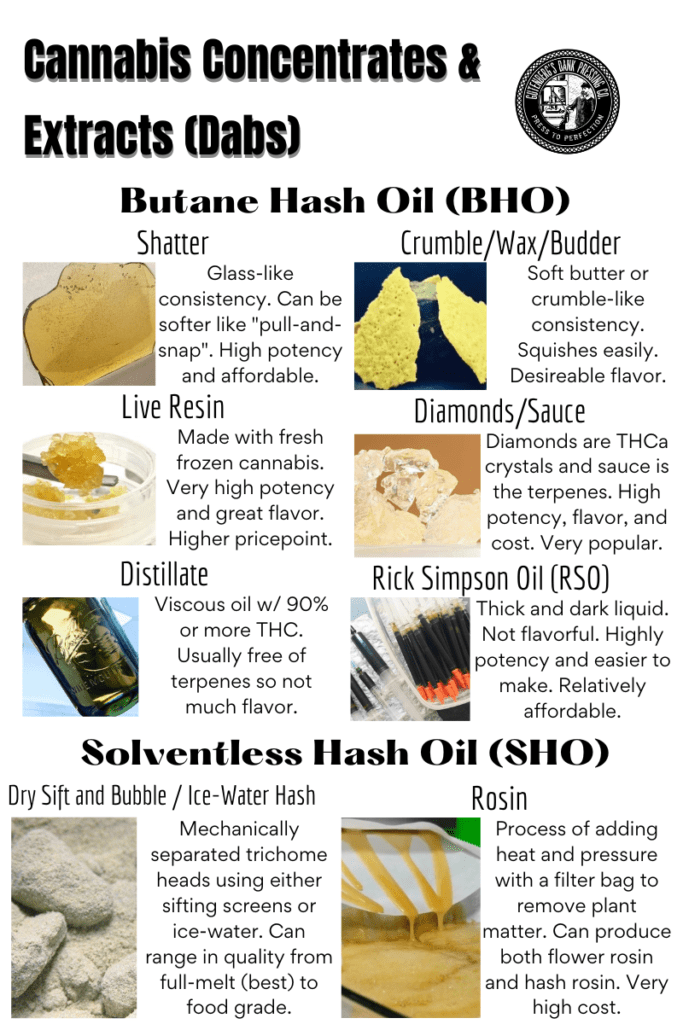
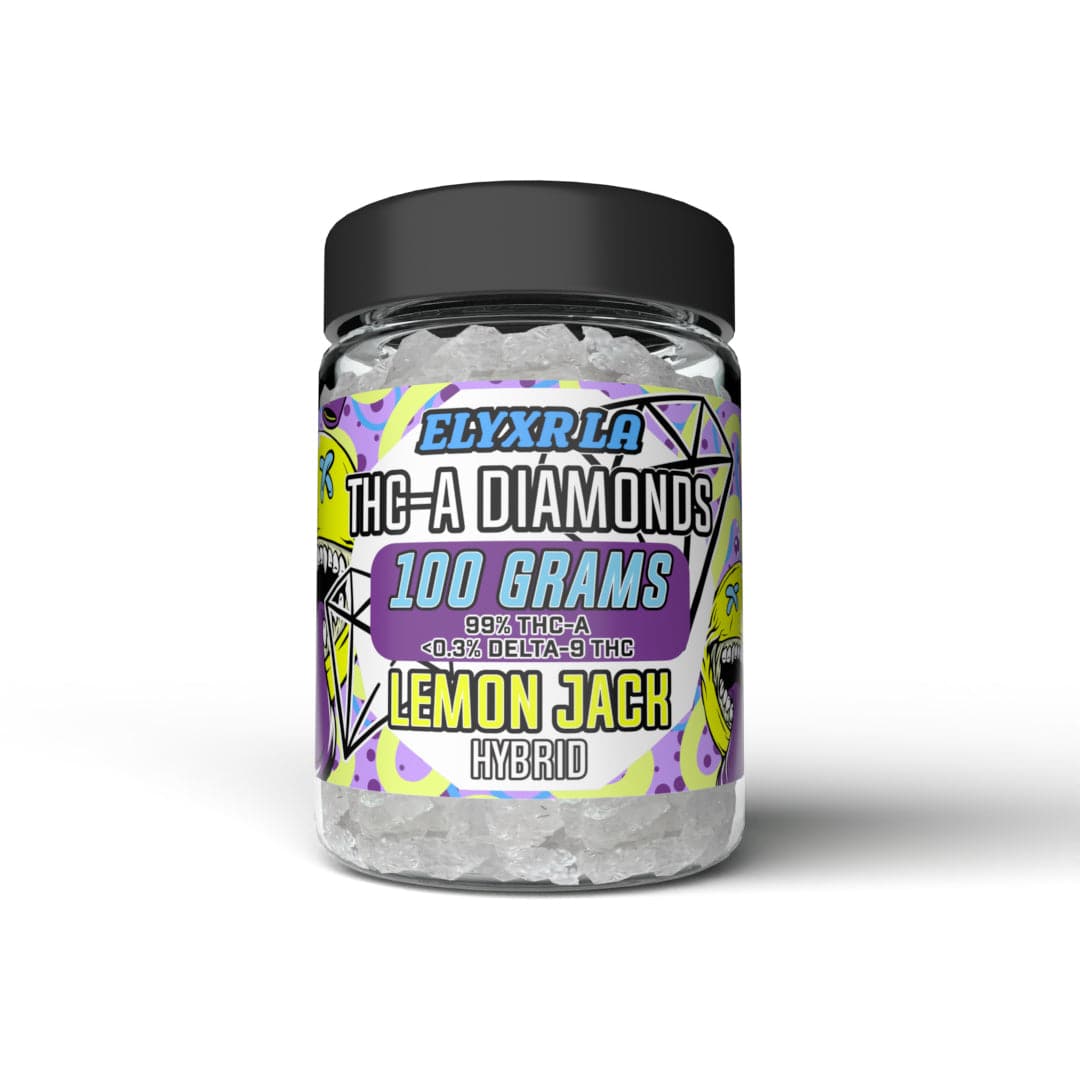
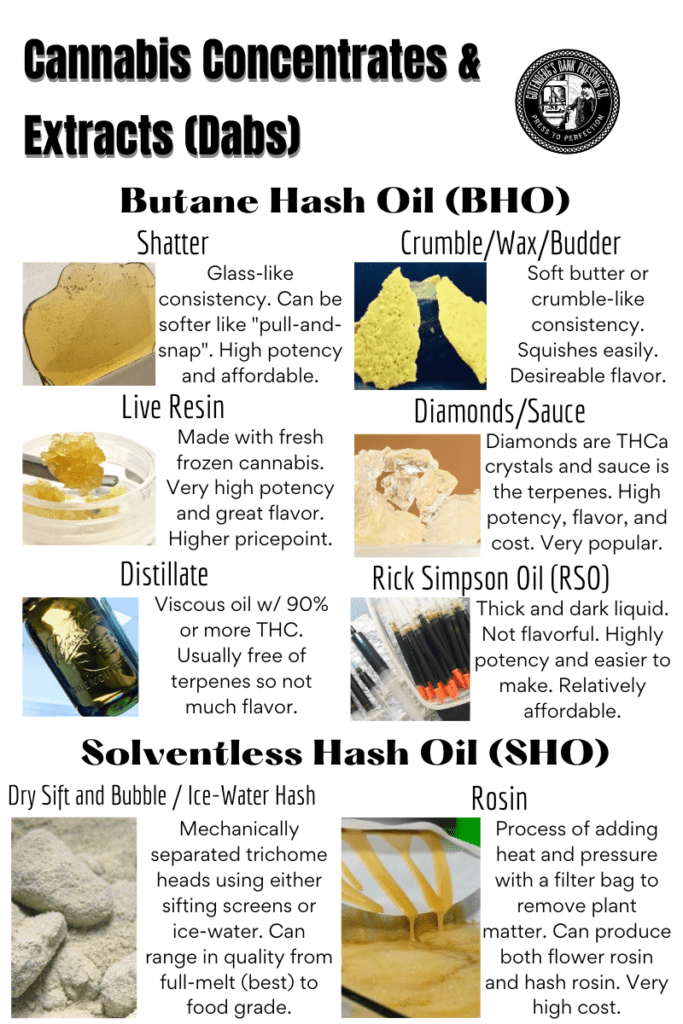
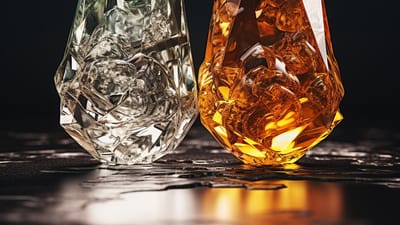
Let's start with the basics: what are diamond and sand dabs, and what do they look like? The difference is immediately apparent. Diamond dabs, as the name suggests, resemble tiny, crystalline structures. They’re typically clear or translucent, though color variations can occur depending on the terpenes present. Think of little glass shards, often quite large – some can be nearly the size of a grain of rice.
Sand dabs, on the other hand, live up to their name. They're granular, with a texture reminiscent of wet sand. The color is usually more opaque than diamonds, ranging from golden yellow to amber, and sometimes even a darker brown. They lack the defined shape and clarity of diamonds, appearing more like a collection of tiny particles.
This visual difference isn’t just aesthetic; it's a direct result of the extraction process. Diamonds require a much more controlled and refined process, leading to the formation of these distinct crystals. Sand dabs are created with a quicker method, resulting in a less structured, more fragmented consistency. Both have become incredibly popular in recent years as consumers seek potent and flavorful cannabis experiences.
The increasing demand highlights a shift in how people are consuming cannabis. People aren’t just looking for a high anymore; they want a specific experience, and concentrates allow for a level of customization and potency that traditional flower simply can’t match. Understanding the nuances between diamond and sand dabs is the first step in navigating this rapidly evolving world.
Extraction Methods: The Root of the Difference
Both diamond and sand dabs begin with hydrocarbon extraction, typically using solvents like butane or propane. This process involves running the solvent over cannabis plant material to dissolve the desirable compounds – cannabinoids and terpenes. However, the key lies in how that process is executed. The temperature and duration of the solvent wash are critical factors.
Diamond dabs are created through a more meticulous process. After the initial solvent extraction, the resulting oil undergoes a prolonged "solvent wash’ – essentially, repeated exposure to the solvent. This helps to further purify the cannabinoids. Then, the oil is slowly cooled, often over several days or even weeks. This slow cooling allows the THC to crystallize, forming the diamond structures. It"s a patient process, requiring precise control of temperature and pressure.
The science behind vaporization, as explored on Errly Bird, explains how heat transforms these concentrated compounds into inhalable vapor. The purity of the concentrate directly impacts the quality of that vapor. Diamonds, with their high concentration of THC, produce a potent and often very clear vapor.
Sand dabs, conversely, are produced with a faster, less refined approach. The solvent wash is typically shorter, and the cooling process is much quicker. This prevents the full crystallization of THC, resulting in the granular, sandy texture. While this method is less time-consuming, it also means the final product often contains more residual solvents and other compounds.
Different solvents also play a role. Butane tends to produce a softer, more pliable extract, while propane results in a shatter-like consistency. A blend of both is often used to achieve specific textures and cannabinoid profiles. Ultimately, the choice of solvent and the precise control of the extraction parameters determine the final product.
THC Content & Cannabinoid Profiles
Generally, diamond dabs boast a higher THC concentration than sand dabs. You can often find diamonds testing between 90-99% THC, though this varies depending on the source and the specific extraction process. Sand dabs typically range from 60-90% THC. However, it's important to remember that THC percentage isn't everything.
The presence of other cannabinoids, like CBD and CBG, and especially terpenes, significantly impacts the overall effect. Diamonds, due to the purification process, can sometimes be less rich in terpenes. While they deliver a powerful THC punch, they may lack the nuanced effects that come from a full spectrum of cannabinoids and terpenes.
It’s a common misconception that diamonds are purely THC. While they are highly concentrated, they still contain trace amounts of other cannabinoids and, ideally, some terpenes. The best diamond dabs are those that retain a good terpene profile, offering both potency and flavor. The cannabinoid profile can vary wildly, so always check lab reports.
Sand dabs often retain more of the original plant’s cannabinoid and terpene profile, leading to a more complex and potentially therapeutic experience. This isn’t to say they’re necessarily "better" – it simply means the effects will be different. A sand dab with a high myrcene content, for example, might provide a more relaxing experience than a diamond dab with a similar THC percentage.
Diamond Dabs vs. Sand Dabs: A Comparative Overview
| Characteristic | Diamond Dabs | Sand Dabs |
|---|---|---|
| Typical THC Range | Generally very high, often exceeding 90% | Typically high, but often slightly lower than diamond dabs, commonly 70-90% |
| Common Cannabinoids | Tend to be highly refined, focusing primarily on THC, with minimal other cannabinoids remaining. | May retain a broader spectrum of cannabinoids depending on the extraction process, including CBD, CBG, and others. |
| Terpene Profile | Often have a less pronounced terpene profile due to the purification process, though terpene infusions are becoming more common. | Generally exhibit a richer, more complex terpene profile, contributing significantly to the overall flavor and aroma. |
| Consistency | Characterized by large, crystalline structures resembling diamonds; hard and solid. | Possess a fine, sandy texture, consisting of small, loose crystals. |
| Flavor Profile | Flavor is often dictated by post-extraction terpene infusions, and can be tailored. Without infusion, flavor can be subtle. | Flavor is naturally derived from the terpenes present, resulting in a more nuanced and complex taste. |
| Production Method Tendencies | Often created through a long crystallization process, sometimes involving multiple solvent washes for purity. | Frequently produced using similar crystallization techniques as diamonds, but with variations in temperature and agitation leading to the finer texture. |
| Potency Focus | Prioritizes extremely high THC content. | Balances high THC with a more complete cannabinoid and terpene profile. |
Illustrative comparison based on the article research brief. Verify current pricing, limits, and product details in the official docs before relying on it.
Flavor & Aroma: The Terpene Factor
Terpenes are aromatic compounds found in cannabis (and many other plants) that contribute to the plant’s flavor and aroma, and also influence its effects. The extraction process has a huge impact on terpene preservation. Sand dabs, due to their faster, less refined extraction, tend to retain a higher percentage of terpenes.
This translates to a more flavorful and aromatic experience. You’re more likely to detect distinct notes – citrus from limonene, pine from pinene, or earthiness from myrcene – in a sand dab. These terpenes not only enhance the flavor but also contribute to the overall effect. Limonene, for example, is often associated with an uplifting and energizing effect, while myrcene is known for its relaxing properties.
Diamonds, while incredibly potent, can sometimes lack this nuanced flavor profile. The purification process often strips away many of the more delicate terpenes, resulting in a cleaner, but less complex, flavor. However, skilled extractors can employ techniques like live resin extraction to preserve terpenes even during diamond formation.
The interplay between cannabinoids and terpenes is a critical aspect of the 'entourage effect' – the idea that the different compounds in cannabis work synergistically to enhance the overall experience. Understanding terpene profiles can help you choose concentrates that deliver the specific effects you're looking for.
Dabbing Techniques & Equipment
The consistency of diamond and sand dabs affects how they behave when dabbed. Diamonds, being solid and crystalline, require a slightly higher temperature to vaporize effectively. You'll likely need to heat your banger or e-nail to a higher setting compared to sand dabs. Errly Bird’s resources on dab equipment highlight the importance of using quality tools for a safe and enjoyable experience.
Sand dabs, with their granular texture, vaporize more easily at lower temperatures. This can be beneficial for preserving terpenes, as excessive heat can degrade these delicate compounds. A lower temperature also results in a smoother, less harsh hit. It's a bit like the difference between gently warming something versus burning it.
Bangers, particularly quartz bangers, are a popular choice for dabbing both types of concentrates. E-nails, which allow for precise temperature control, are especially useful for dialing in the optimal heat for diamonds. Titanium nails are also an option, but they can sometimes impart a metallic taste.
When dabbing diamonds, it's important to use a carb cap to trap heat and vaporize the concentrate more efficiently. Sand dabs often don't require a carb cap, as their granular texture helps to distribute the heat. The key is to experiment and find what works best for you and your equipment.
Remember to always start with a small dab, especially if you're new to concentrates. It's easy to take too much, and the effects can be very potent.
Cost Comparison: What You Pay For
Price is always a factor. Diamond dabs generally command a higher price per gram than sand dabs. This is due to the more complex and time-consuming extraction process, the higher purity levels, and the increased demand.
While specific prices fluctuate depending on location, quality, and the vendor, you can expect to pay a premium for diamonds. The price difference can be significant, sometimes double or even triple the cost of sand dabs.
Don't automatically assume that a higher price equals a better product. Always look for lab reports to verify the THC and terpene content. A well-extracted sand dab with a rich terpene profile can often provide a more enjoyable experience than a poorly made diamond dab.
Safety & Potential Side Effects
Dabbing, in general, carries certain risks due to the high potency of cannabis concentrates. The high THC content can lead to anxiety, paranoia, and other adverse effects, especially for inexperienced users. Errly Bird’s safety guidelines are a good starting point for understanding responsible dab consumption.
Diamonds, with their typically higher THC percentages, can increase the risk of these side effects. It’s crucial to start with a very small dab and gradually increase the dosage as needed. Be mindful of your tolerance and your individual sensitivity to THC.
The potential for residual solvents is another concern. While reputable extractors purge their concentrates thoroughly, there’s always a small risk of inhaling trace amounts of solvents. This is why it’s important to purchase concentrates from licensed and reputable sources.
Always dab in a well-ventilated area and never dab alone. Have water nearby to stay hydrated, and be aware of your surroundings. If you experience any adverse effects, stop dabbing immediately and seek medical attention if necessary.
- Start with a small dab
- Stay hydrated
- Dab in a well-ventilated area
- Never dab alone
- Purchase from reputable sources
2026 Trends: What’s Next for Concentrates?
The cannabis concentrate market is constantly evolving. I anticipate we’ll see continued refinement of extraction techniques, with a focus on preserving terpenes and maximizing cannabinoid purity. Solventless extraction methods, like rosin pressing, are gaining popularity and may become more mainstream.
We might also see the development of new and innovative concentrate formats, offering different consumption methods and effects. The demand for specific cannabinoid profiles – tailored to address specific needs – is likely to increase.
Whether the price gap between diamonds and sand dabs will narrow remains to be seen. Advances in extraction technology could potentially make diamond production more efficient and affordable. However, the demand for high-purity diamonds is likely to remain strong, keeping prices relatively high.
Ultimately, the future of cannabis concentrates is about choice and customization. Consumers will have access to a wider range of products, allowing them to tailor their experience to their individual preferences. The focus will be on quality, safety, and transparency.
Featured Products
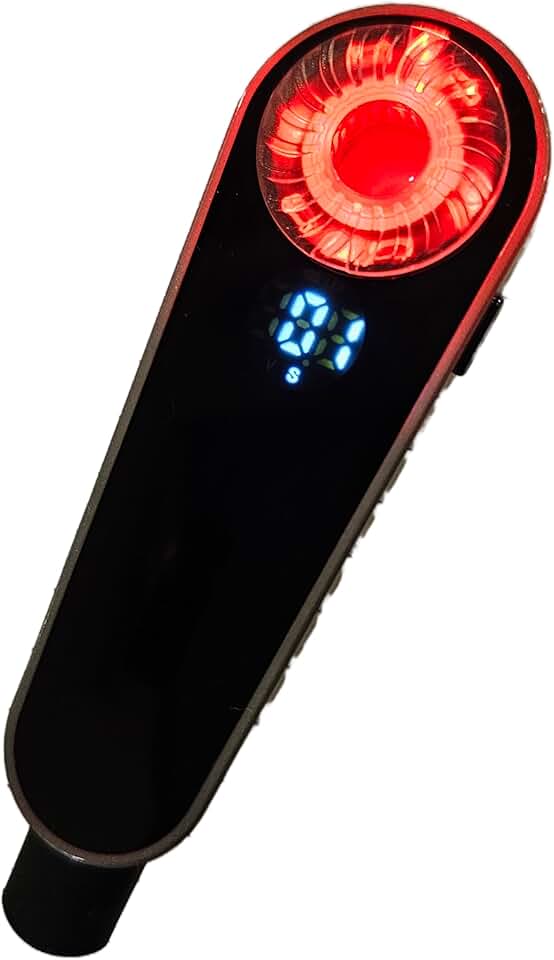
Ceramic heating element for consistent heat · Variable voltage temperature control for precise dabbing · PID controller for accurate temperature management
This electric dab rig offers precise temperature control, crucial for experiencing the subtle flavor profiles of premium concentrates.

Compact glass dab rig · Includes dabber tool · Comes with decorative sticker
A budget-friendly option for beginners, this simple glass rig provides a functional entry point into concentrate consumption.

6-piece set of double-ended tools · Made from durable stainless steel · Includes a leather carrying case
This versatile toolset offers a variety of shapes for handling and manipulating concentrates, keeping your dabs clean and precise.

2-pack of large silicone mats · Heat-resistant and non-stick surface · Protects surfaces from spills and heat
These silicone mats provide a clean, non-stick surface essential for handling sticky concentrates and protecting your workspace.

Refillable butane torch lighter · Adjustable flame for various uses · Visible fuel window to monitor butane level
A reliable butane torch is essential for heating dab nails to the optimal temperature, ensuring a perfect vaporization experience.
As an Amazon Associate I earn from qualifying purchases. Prices may vary.

No comments yet. Be the first to share your thoughts!