

Choose your extraction method
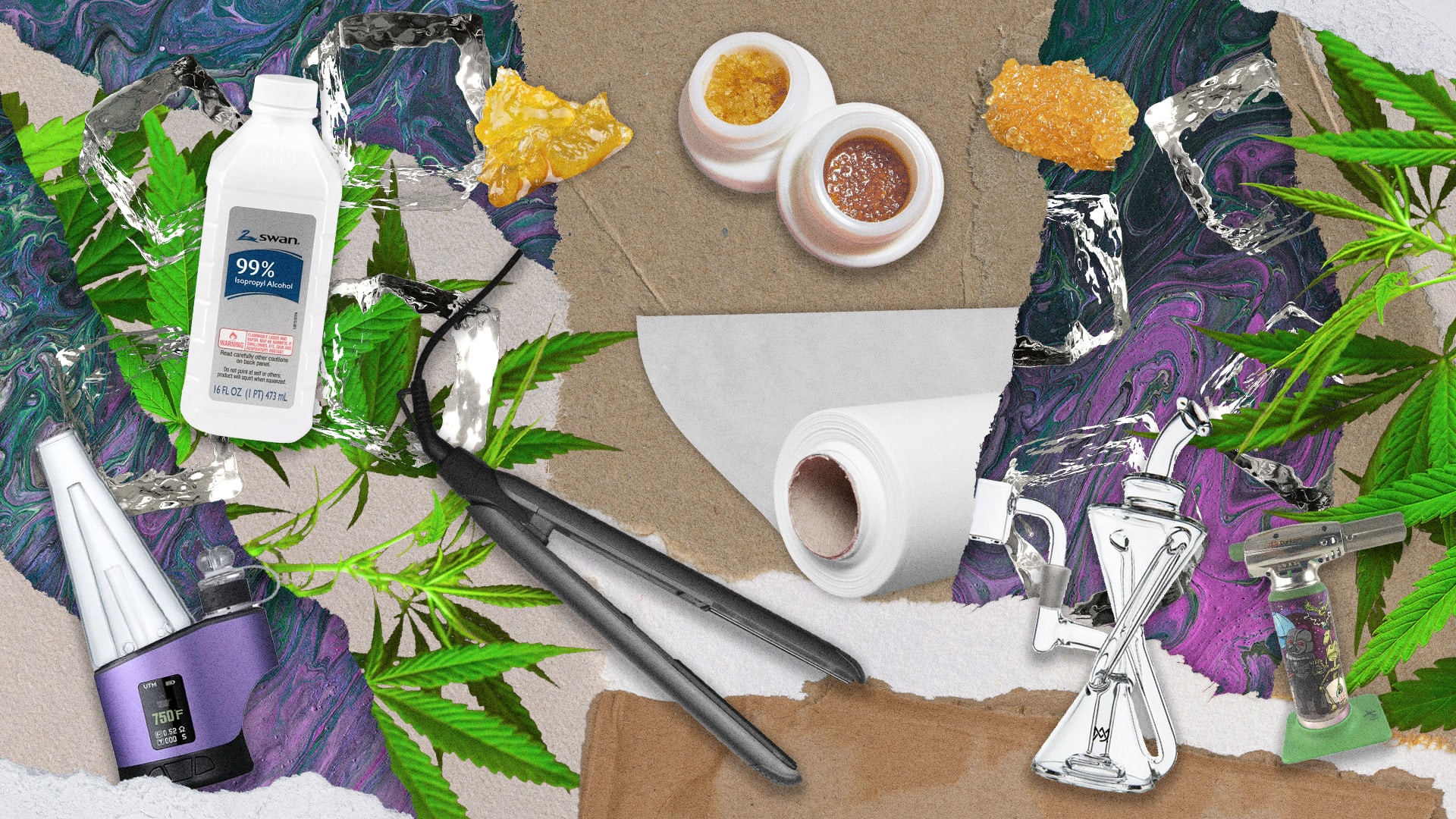
Home extraction generally falls into two categories: solventless rosin pressing and solvent-based methods like ethanol extraction. Your choice depends on budget, safety comfort, and desired yield.
Rosin pressing is the safest method. It uses only heat and pressure to squeeze oil from plant material, avoiding flammable solvents entirely. This makes it ideal for beginners or those prioritizing safety over volume.
Ethanol extraction offers higher yields and broader terpene profiles but requires handling flammable solvents and specialized equipment for purging. This method suits experienced users with proper ventilation and safety protocols.
| Feature | Rosin Press | Alcohol Extraction |
|---|---|---|
| Safety | High (no solvents) | Low (flammable solvents) |
| Yield | Moderate | High |
| Equipment Cost | $50–$300 (press) | $100–$500+ (solvents, glassware, vacuum oven) |
| Purity | High (plant lipids remain) | Very High (if purged correctly) |
| Complexity | Easy | Advanced |
New users should start with rosin. It allows you to learn oil behavior without the risks of volatile chemicals. Once comfortable, you can explore alcohol extraction for higher efficiency.
Choose and prep starting material
The quality of your final dab depends on the raw cannabis. High-quality, dry-cured flower or fresh-frozen biomass yields the cleanest extracts. Avoid material that is old, moldy, or contaminated.
Selecting the right base
For rosin, use dense, resinous flower with intact, sticky trichome heads. If making kief-based rosin, start with high-grade kief sifted from clean flower. For alcohol extraction, whole flower or dense trim works best, provided it is completely dry to prevent water contamination.
Preparing the material
Proper preparation ensures maximum surface area. Break buds apart by hand or use a coarse grinder. Avoid fine powder, which can clog filters and trap impurities. If using kief, ensure it is dry and free of clumps.
Use fingers or a coarse grinder to break buds into rice-grain-sized pieces. Avoid grinding too fine to prevent plant particles in your extract.
Spread kief on a clean surface to ensure it is completely dry. Sift through a fine mesh screen to remove large stems or leaf chunks.
Inspect material under good light. Remove any visible mold, mildew, or excessive plant debris to ensure a cleaner, safer dab.
Execute the rosin press process
Using a hair straightener as a rosin press relies on heat and pressure to squeeze resin from plant material. This solvent-free method requires steady hands and careful temperature control to avoid burning the concentrate.
Place 0.5 to 1 gram of hash or flower in the center of a folded sheet of parchment paper. Roll into a tight, flat packet. This bag acts as a filter, keeping press plates clean while allowing oil to flow out. Avoid overfilling to prevent the paper from bursting.
Plug in your hair straightener and set it to 180°F–220°F (82°C–104°C). Higher temperatures can scorch the material. Once heated, immediately place the parchment bag between the plates, centering it for even pressure.
Press down firmly and hold for 30 to 60 seconds. Oil should seep out from the sides. Do not crush the plant matter; heat and gentle pressure are sufficient. If oil is not flowing, increase temperature slightly, but monitor closely to avoid burning.
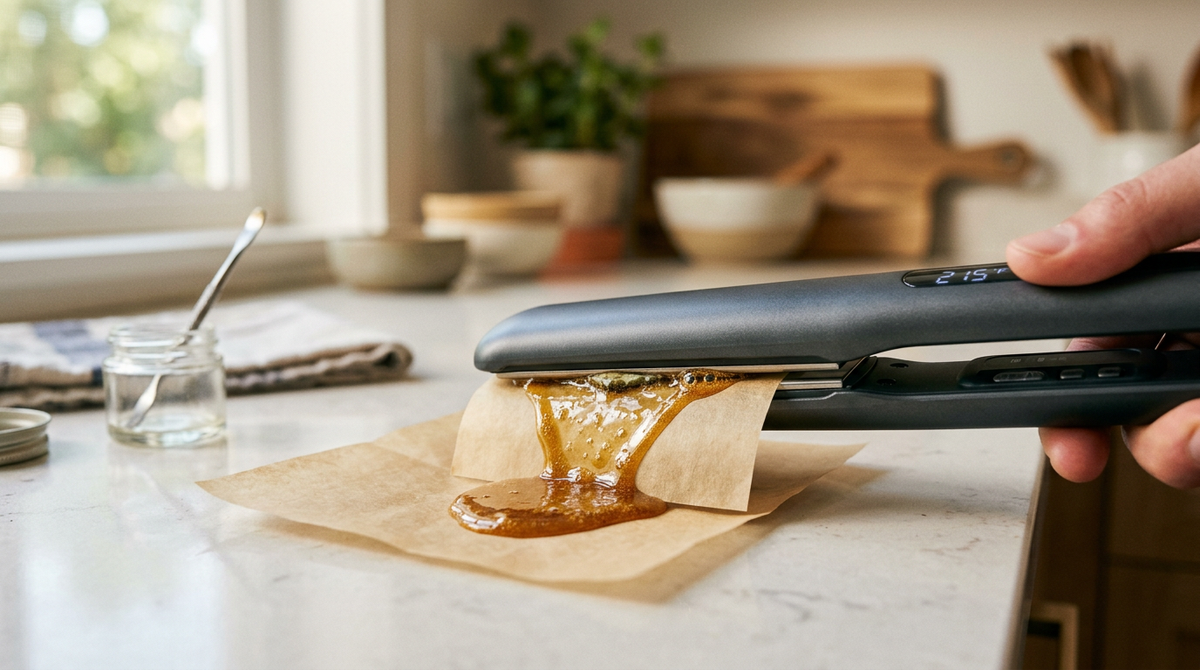
Carefully open the straightener and remove the hot bag using tongs or heat-resistant gloves. Let it cool briefly, then scrape the rosin off the parchment paper with a dab tool. Collect it into a silicone container for storage.
Common mistakes to avoid
Overheating is the most common issue. If the oil smokes or turns dark brown, it has degraded. Always start with lower temperatures and increase gradually. Ensure starting material is dry but not brittle. Wet material can tear parchment; dry material may not yield much oil. Practice with small batches to find the right balance for your equipment.
Perform alcohol extraction safely
Ethanol extraction pulls cannabinoids and terpenes from plant material using high-proof ethanol. While less volatile than butane, alcohol remains highly flammable and requires strict safety protocols. This method demands a controlled environment free of ignition sources and proper ventilation.
Freeze your cannabis and the alcohol before mixing. This cold environment preserves terpenes and reduces the extraction of unwanted plant fats and waxes. Use high-proof, food-grade ethanol (190 proof or higher). Avoid industrial alcohols or those containing denaturants.
Place ground cannabis in a freezer-safe container. Pour ethanol into a separate, freezer-safe vessel. Chill both to near-freezing for at least 24 hours to maintain terpene integrity and reduce chlorophyll extraction.
Submerge frozen cannabis in frozen ethanol. Agitate gently for a few minutes. Prolonged exposure increases the extraction of unwanted plant matter. The goal is to dissolve oils without creating a muddy sludge.
Pour the mixture through a fine mesh filter or coffee filter into a clean, heat-safe glass bowl. The liquid will turn dark green. Ensure your filtration setup is stable to prevent spills.
This is the most critical phase. Place the filtered liquid in a warm, well-ventilated area away from heat sources. Use a low-heat oven or dedicated purging chamber, but never direct flame or high heat. The alcohol must evaporate completely, leaving a dark, viscous oil. This process can take hours to days.
Once the alcohol has fully evaporated, you are left with a sticky, resinous concentrate. Inspect it for any remaining solvent smell; if it smells strongly of alcohol, it needs more time to purge. Improperly purged concentrate can be hazardous. Store finished dabs in an airtight container in a cool, dark place.
Check purity and texture
Before loading your rig, inspect the final product to ensure it is safe to vaporize. Quality dabs should be free of residual solvents, plant matter, and excessive moisture.
Visual inspection
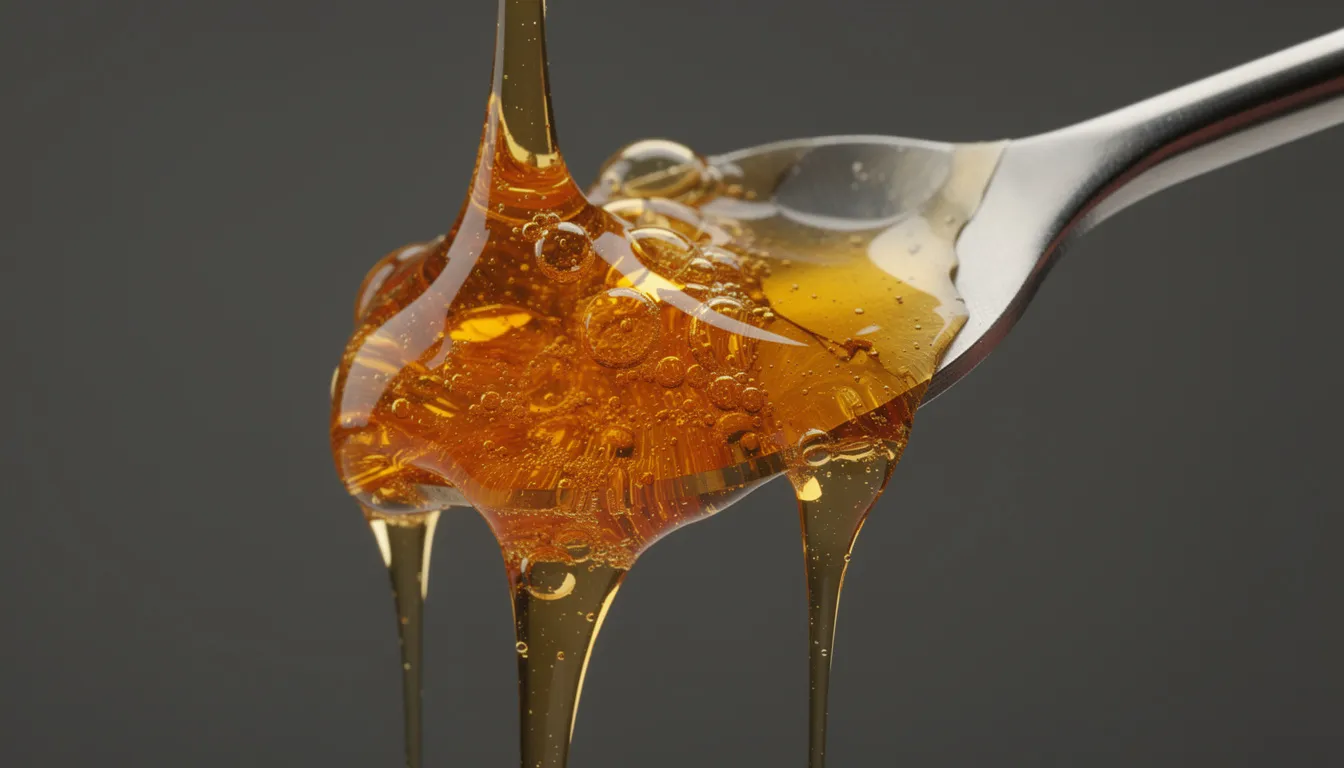
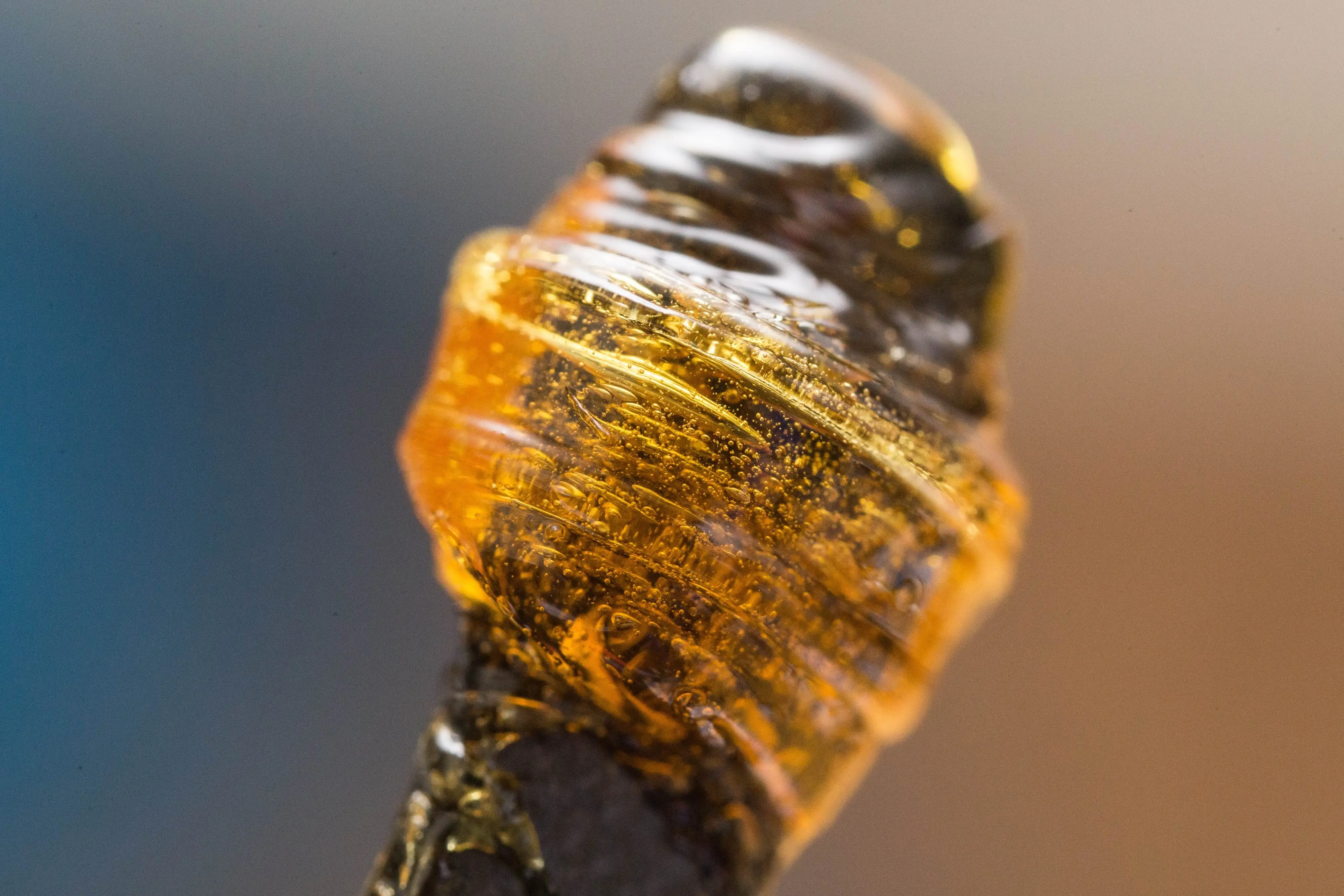
Hold the container up to a light source. Ideal rosin is translucent and pliable, resembling honey or amber glass. Wax and shatter should be opaque but uniform. Dark specks or cloudiness indicate remaining plant material. For alcohol extractions, the product should be fully dried and free of ice crystals.
The touch test
Gently press the concentrate with a clean tool. High-quality rosin yields easily and stretches without breaking. If it feels gritty or crumbles, it may contain too much plant wax. Alcohol-extracted dabs should be dry to the touch and shatter cleanly when bent. Persistent tackiness suggests residual alcohol.
Safety verification
A clean dab should have a neutral aroma before heating. If it smells strongly of chemicals or solvent, do not use it. Properly cured rosin will smell like the cannabis strain itself. Always store your final product in a cool, dark place.
Essential safety checklist
Verify you have the correct safety gear and equipment before beginning. Skipping these steps increases the risk of fire or injury.
Ventilation
Ensure your workspace has strong airflow. Open windows and use an exhaust fan to remove vapors or fumes immediately. This is critical when using solvents.
Fire Safety
Keep all flammable materials away from heat sources. Have a Class B fire extinguisher nearby and accessible. Do not smoke or use open flames in the extraction area.
Personal Protective Equipment (PPE)
Wear heat-resistant gloves when handling hot presses or frozen materials. Safety goggles protect your eyes from splashes or accidental pressure releases.
Equipment Check
Inspect all tools for damage before starting. Ensure rosin press plates are clean and collection tools are sturdy. For alcohol extraction, verify that solvent containers are sealed and labeled correctly.
Common questions about making dabs
No comments yet. Be the first to share your thoughts!