

Dabbing's Next Evolution
Picture this: it’s 2024. You’re carefully heating your quartz banger with a torch, visually assessing the color, and hoping for that sweet spot. It’s a ritual, certainly, but one reliant on skill and a bit of luck. Now, fast forward to 2026. You place your concentrate, and the rig just works. No torch, no guesswork, just perfectly vaporized cannabis, tailored to your preferences. That’s the promise of AI-powered dabbing.
This isn't just about convenience, though that’s a big part of it. These new rigs aim to deliver a more consistent, potent, and flavorful experience. They’re about automating the precision that experienced dabbers spend years honing. For many, the idea of letting technology control something as personal as their cannabis consumption feels…wrong. I get that. There’s a legitimate concern about losing the artistry, the connection to the plant.
Traditional dabbing, while effective, is inherently variable. Torch control is subjective, temperature estimation is imprecise, and airflow is often overlooked. These inconsistencies lead to wasted product, harsh hits, and suboptimal flavor. AI rigs tackle these issues head-on, using sensors and algorithms to maintain optimal conditions. They aren’t meant to replace the experience for everyone, but to open up a world of consistent results for all levels of dabbers.
The skepticism around tech in cannabis is understandable. The industry has seen plenty of hype cycles. But the technology behind these rigs is maturing rapidly, and the potential benefits are significant. We’re moving beyond simply heating a nail to understanding the complex interplay of temperature, airflow, and concentrate composition.
The Core Tech: AI in a Rig
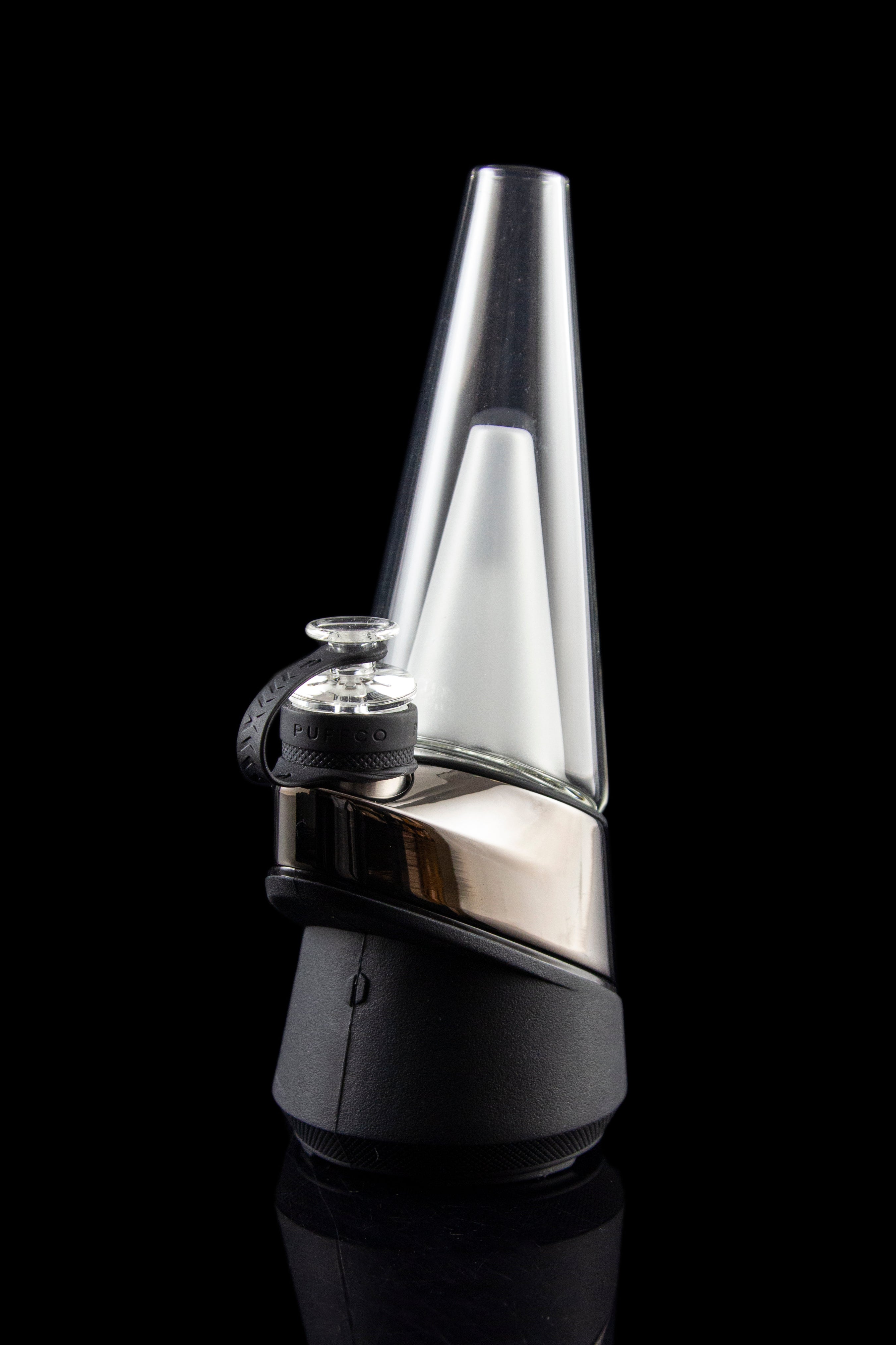
So, how does AI actually end up inside a dab rig? It’s far from magic. At the heart of these devices are a network of sensors constantly monitoring key parameters. We’re talking about precise temperature sensors – far more accurate than visual estimation – airflow sensors to measure the volume and velocity of vapor, and even sensors capable of analyzing the viscosity of the concentrate itself.
This data feeds into machine learning algorithms, the brains of the operation. These algorithms learn your preferences over time. The rig remembers your ideal temperature for a particular strain, your preferred airflow rate for different consistencies, and adjusts accordingly. It’s a closed-loop control system: the rig measures, analyzes, adjusts, and repeats, continually optimizing the experience. Puffco, for example, is heavily invested in this technology, aiming to create a seamless and intelligent dabbing process.
Integrating this technology into a small form factor presents significant challenges. Low-power consumption is critical, as is heat dissipation. The processing needs to be fast and reliable. We’re likely looking at custom chipsets designed specifically for these applications, though details are often proprietary. There’s a constant trade-off between processing power, battery life, and size.
I'm not sure about the specific processors being used, but they need to be capable of real-time data analysis and control. The goal is to create a system that's responsive and intuitive, adjusting settings on the fly to deliver the perfect dab every time. The development of these systems requires a deep understanding of both cannabis vaporization and advanced engineering.
Precision Dabbing: Beyond Temperature Control
Precise temperature control is just the starting point. The real power of AI dabbing lies in its ability to optimize the entire vaporization process. Different consistencies of concentrates – sauce, shatter, budder, diamonds – require different approaches. AI rigs can adjust airflow to match the viscosity of the concentrate, ensuring complete and efficient vaporization. Sauce, being more fluid, needs a gentler airflow than shatter, which is more brittle.
The rig can also predict optimal vaporization based on the concentrate's composition. Sophisticated sensors can analyze the terpene profile and THC/CBD content, adjusting settings to maximize flavor and potency. This is a game-changer for those who want to truly understand and appreciate the nuances of their cannabis. It moves beyond simply getting high to experiencing the full spectrum of the plant’s effects.
Imagine creating personalized "dab profiles’ – saved settings for different strains or desired effects. Want a relaxing evening session with a specific indica? Load the profile, and the rig automatically adjusts to deliver the optimal experience. Prefer a creative boost from a sativa? Another profile, another perfect dab. This level of customization is something traditional dabbing simply can"t offer.
It’s about orchestration. It's not just setting a temperature; it’s about coordinating temperature, airflow, and concentrate characteristics to create the ideal vaporization environment. This level of control unlocks flavors and effects that are often lost with traditional methods. This is where the investment in AI truly pays off.
Traditional Dabbing vs. AI-Powered Dabbing: A Comparative Analysis (2026)
| Feature | Traditional Dabbing | AI-Powered Dabbing |
|---|---|---|
| Temperature Control | Medium - Relies on user experience and manual adjustments. | High - AI algorithms dynamically adjust temperature based on concentrate type and user preferences. |
| Airflow Optimization | Medium - Dependent on rig design and user inhalation technique. | High - AI can modulate airflow for optimal vaporization and flavor profile, potentially adjusting in real-time. |
| Concentrate Versatility | Medium - Requires user knowledge to select appropriate temperature for different consistencies. | High - AI can identify concentrate consistency and automatically adjust settings for optimal results across various types (shatter, wax, budder, etc.). |
| User Customization | Low - Limited to manual adjustments of torch and carb cap. | High - Offers extensive customization through app interfaces, allowing users to create and save personalized dabbing profiles. |
| Consistency | Medium - Subject to user error and variability in heating. | High - AI aims for consistent vaporization and flavor delivery, minimizing inconsistencies between dabs. |
| Waste Reduction | Low - Potential for wasted concentrate due to improper heating or burning. | Medium - AI-driven temperature control and airflow optimization can reduce waste by ensuring complete vaporization. |
| Overall Experience | Medium - Requires skill and practice to achieve optimal results. | High - Streamlined and intuitive experience, potentially offering enhanced flavor, potency, and efficiency. |
Illustrative comparison based on the article research brief. Verify current pricing, limits, and product details in the official docs before relying on it.
The Rise of Automated Sessions
Now, let’s push the boundaries a little further. Imagine a rig that can detect when a dab is finished and automatically purge the nail, preventing waste and maintaining flavor. Or a rig that can adjust settings mid-session based on your feedback. Say it’s too harsh? The rig subtly lowers the temperature or adjusts the airflow. Too weak? It bumps up the heat.
This level of automation is becoming increasingly feasible with advancements in AI and sensor technology. The goal is to create a truly hands-free dabbing experience, where the rig anticipates your needs and adjusts accordingly. This isn’t just about laziness; it’s about maximizing safety and minimizing the risk of error.
The potential for integration with smart home systems is also exciting. Imagine controlling your rig with voice commands or incorporating it into a larger automated cannabis experience. “Hey Google, prepare a relaxing dab session.” The possibilities are endless. Empire Smokes is already showcasing a range of smart rigs and accessories, hinting at this interconnected future.
However, fully automated systems raise legitimate safety concerns. What happens if the AI malfunctions and overheats? How can we ensure the accuracy of the sensors and the reliability of the control system? These are questions that need to be addressed before these devices become widespread. Redundancy and fail-safe mechanisms are crucial.
Current Players & Emerging Tech
The AI-powered dab rig market is still emerging, but several companies are leading the charge. Puffco, as mentioned earlier, is a major player, consistently pushing the boundaries of dab technology with their Peak Pro and Pulse. They’re heavily focused on temperature control and user experience, and their products are widely regarded as some of the best in the industry.
DankGeek is another prominent name, offering a range of premium rigs and accessories, including some with advanced temperature control features. While they haven’t explicitly marketed "AI’ rigs, their focus on precision and customization aligns with the core principles of the technology. We"re also seeing smaller startups entering the market with innovative designs and features.
Ongoing research and development is focused on improving sensor accuracy, refining machine learning algorithms, and developing more efficient heating elements. There's a growing need for open standards and interoperability, allowing different components and accessories to work seamlessly together. Right now, much of the technology is proprietary.
I’m not sure about specific SDKs or APIs being widely available, but the development of a standardized platform would accelerate innovation and drive down costs. The ability for developers to create custom profiles and integrate with other cannabis apps would be a huge benefit. The future of this technology depends on collaboration and open access.
AI Dab Rig Innovators
- Puffit is developing AI-powered temperature control for their existing line of e-rigs, aiming to optimize dabbing experiences based on concentrate viscosity and user preferences.
- Cannabis Observer (reporting on Dynavap)** has covered Dynavap's exploration of AI-driven temperature profiling for their portable vaporizers, potentially extending to future dab-compatible devices, focusing on consistent and repeatable hits.
- StacheRigs is integrating machine learning algorithms into their desktop e-rigs to predict optimal heating profiles for different concentrate types, aiming to enhance flavor and potency.
- G Pen is researching AI-assisted session monitoring within their e-rigs, focusing on data collection regarding user habits to personalize future dabbing experiences and potentially offer recommendations.
- 710 Labs is exploring AI-powered quality control for their concentrates, utilizing image recognition to assess terpene crystal structure and predict product effects, though not directly integrated into rigs.
- Cloudious Hydrology99 is investigating AI algorithms to automate water filtration adjustments within their hydrologic e-rigs, adapting to concentrate consistency and user inhalation patterns.
- Dabado is researching the use of AI to analyze user feedback and sensor data from their dab rigs to improve heating element design and overall user experience.
Safety & Regulation: A Growing Concern
The safety of AI-powered dabbing is paramount. What happens if the AI malfunctions and overheats, potentially causing burns or fires? Ensuring the accuracy of temperature sensors is critical, as inaccurate readings could lead to harsh hits or wasted product. These devices need to be rigorously tested and certified to meet safety standards.
The regulatory landscape is complex and often unclear. The cannabis industry is still evolving, and regulations vary widely from state to state. Getting these devices approved requires navigating a maze of legal requirements. Regulators are still grappling with how to classify and regulate these new technologies.
Furthermore, there are concerns about data privacy. AI rigs collect data about user preferences and consumption habits. Protecting this data from unauthorized access is essential. Companies need to be transparent about how they collect, use, and share this information.
It's important to acknowledge that these devices are not without risk. Users should always follow the manufacturer's instructions and exercise caution when dabbing. Responsible consumption is key. As the technology matures, we can expect to see more robust safety features and clearer regulations.
The Future of Flavor & Potency
Looking ahead, the potential of AI-powered dabbing is truly exciting. Will we see rigs that can automatically adjust settings based on the strain’s terpene profile, maximizing flavor and aroma? Will AI be able to predict the optimal dab size for a desired effect, ensuring a consistent and predictable experience?
I believe we’ll see rigs that can analyze the concentrate in real-time, identifying its composition and adjusting settings accordingly. Imagine a rig that can tell you the exact THC and CBD content of your dab, and tailor the vaporization process to deliver the perfect dose. This level of precision is a game-changer.
The ultimate goal is to create a personalized dabbing experience that maximizes flavor, potency, and enjoyment. AI can help us unlock the full potential of cannabis, allowing us to experience the plant in ways we never thought possible. It’s about moving beyond simply getting high to achieving a specific desired state.
This isn’t just about technology; it’s about understanding cannabis. As our knowledge of the plant grows, AI will play an increasingly important role in helping us harness its power. The future of dabbing is intelligent, personalized, and flavorful.
What do you think is the most exciting potential benefit of AI-powered dab rigs?
AI technology is making its way into the world of cannabis concentrates, and we want to hear from the Errly Bird community. Which feature of AI-powered dab rigs interests you the most? Vote below and share your thoughts in the comments!


No comments yet. Be the first to share your thoughts!